
Trees
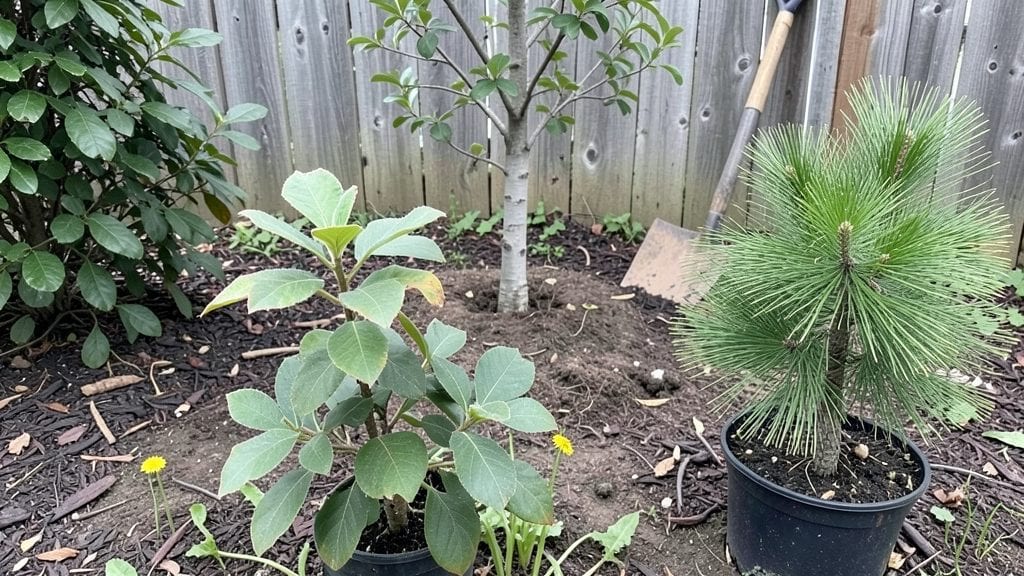
Planting outdoor trees for a privacy screen that grows fast and stays lush year-round is one of the best investments you’ll ever make. 🌿 I’ve watched my own backyard transform from a windswept eyesore to a green fortress in just three seasons—all by choosing the right species and giving them the proper start.
The key isn’t just digging a hole; it’s about matching the tree to your climate, soil, and sunlight while avoiding rookie mistakes that stall growth.
You’ll need fast-growing native species like Leyland cypress, arborvitae, or willow oak—trees that pack 12–24 inches of height per year and handle your local weather. A shovel, mulch, and a hose with a gentle spray nozzle are your essential tools.
The real work happens before the first shovel hits the ground: testing soil pH, amending compacted areas, and spacing saplings 8–12 feet apart for airflow and future growth. Skimp here, and you’ll end up with a tangled mess instead of a screen.
Within 6–12 months, you’ll see walls of foliage that block nosy neighbors and winter winds. The trees will develop deep roots that stabilize your soil, and their leaves will turn into natural mulch that keeps weeds at bay.
Even in winter, evergreens like emerald green arborvitae stay dense, while deciduous options like river birch add seasonal interest. The best part? Once established, these trees need minimal care beyond annual pruning and deep watering.
This works for urban backyards, suburban lots, or rural properties—just adjust spacing for mature size. The secret to fast, healthy growth isn’t complicated, but it is precise. Let’s get those roots in the ground the right way, so you’re not replanting in five years.
📚 In This Guide
- What you need
- Instructions
- Tips and common mistakes
- Wrapping up and next steps
What you need
- ● Tree seedlings or saplings: 3–5 fast-growing species (e.g., Leyland cypress, Thuja, or Bamboo—check local climate suitability).
- ● High-quality soil: 5–10 bags (60 lbs each) of well-draining, nutrient-rich potting mix (or amend native soil with compost).
- ● Fertilizer: 1 bag of slow-release granular fertilizer (10-10-10 NPK ratio) or organic options like composted manure.
- ● Mulch: 2–3 cubic yards of wood chips or shredded bark (3–4 inches deep).
- ● Watering supplies: Hose with adjustable nozzle (for gentle watering).
- ● 5-gallon watering can (for young trees).
- ○ Drip irrigation kit (optional but highly recommended for efficiency).
- ● Shovel: 1 round-point shovel (for digging holes).
- ● Garden trowel: 1–2 (for precision planting).
- ● Measuring tape: 1 (to mark spacing—aim for 6–10 feet apart for optimal growth).
- ● Pruning shears: 1 pair (for shaping and trimming).
- ● Gloves: 1 pair of durable gardening gloves (to protect your hands).
- ● Wheelbarrow: 1 (for hauling soil/mulch).
- ● Tree stakes & ties (to support young trees in windy areas).
- ● Soil pH test kit (to ensure optimal growing conditions).
- ● Eco-friendly weed barrier fabric (to reduce maintenance).
- ● Post-hole digger (if planting deeper-rooted species).
- ● Solar-powered tree lights (for after-dark ambiance!).
Step-by-Step instructions for planting fast-growing privacy trees
Here’s how to plant four trees that deliver dense privacy within just a few years.
🪴 Step 1: Choose the Right Spot and Dig Holes
Pick a location with 6+ hours of sunlight daily—fast-growing trees thrive where they get plenty of light. Clear the area of weeds and debris, then mark planting spots 10-15 feet apart (closer for quicker coverage). Use a shovel to dig holes twice as wide and just as deep as the root ball of your trees.
Loosen the sides of the holes with your shovel to help roots spread easily. If your soil is heavy clay, mix in 2-3 gallons of compost into the bottom of each hole to improve drainage. The goal is to create a welcoming space for roots to establish without competition.
🌱 Step 2: Prepare Trees and Plant Carefully
Remove each tree from its container and gently loosen the root ball with your fingers—this encourages roots to spread outward instead of circling. Place the tree in the hole so the top of the root ball sits 1-2 inches above ground level (settling will happen over time). Fill the hole with soil, tamping lightly every few inches to eliminate air pockets.
Water each tree deeply right after planting to settle the soil and remove any air gaps. You’ll know it’s done correctly when water drains evenly without pooling. Avoid compacting the soil too firmly—roots need room to breathe and expand.
☀️ Step 3: Mulch and Water for Fast Establishment
Spread 2-3 inches of mulch around each tree, keeping it 6 inches away from the trunk to prevent rot. Use wood chips or shredded bark—these break down slowly and retain moisture. Mulch helps regulate soil temperature and reduces weed competition, both critical for young trees.
Water each tree once a week for the first month, giving them 1-2 gallons per watering. After that, water deeply every 10-14 days, depending on rainfall. You’ll know they’re getting enough water when the soil feels moist 2-3 inches below the surface. Overwatering is just as harmful as underwatering—roots need oxygen too.
✂️ Step 4: Prune and Protect for Healthy Growth
Trim any broken or crossing branches with clean, sharp pruners to encourage a strong structure. Focus on removing no more than 20% of the tree’s foliage—this keeps stress low while shaping growth. Prune in late winter or early spring before new growth begins.
Install tree guards if local wildlife (like deer or rabbits) is a concern. These protect young trunks from chewing damage. Keep the area weed-free—young trees compete fiercely with invasive plants for nutrients. A quick check every few weeks ensures nothing is crowding their roots.
⏰ Step 5: Monitor and Maintain for Long-Term Privacy
Check soil moisture weekly during the first year—young trees need consistent hydration to establish deep roots. Fertilize lightly in early spring with a balanced, slow-release fertilizer (follow package instructions). Avoid heavy fertilizers, which can burn tender roots.
Watch for signs of stress like yellowing leaves or stunted growth. These often mean the tree needs more water, better drainage, or protection from pests. With proper care, your privacy screen will fill in beautifully within 3-5 years, delivering the lush, secluded space you’re after.
Tips & tricks for perfect fast-growing privacy trees
Fast-growing privacy trees are a game-changer for creating that coveted secluded space—but planting them right makes all the difference. Here's what I've learned from years of trial and error to help your trees thrive quickly and reach that lush, impenetrable screen in record time.
The Sunlight Secret: Those 6+ hours of sunlight aren't just a suggestion—they're non-negotiable for fast growth. I learned this the hard way when my first batch in partial shade grew at half the speed. If your yard has shady spots, consider fast-growing shrubs like arborvitae as complementary plants. For maximum speed, position your trees where they'll get morning sun and afternoon shade to balance growth and moisture retention.
Root Ball Strategy: When loosening those root balls in Step 2, don't just poke around the edges—work your fingers all the way through to the center. I discovered this trick after seeing trees with circling roots that never grew properly. The goal is to encourage roots to spread outward immediately. Also, that 1-2 inch elevation above ground level is crucial—it prevents rot while allowing for natural settling. If your soil is particularly dense, consider adding a handful of perlite to the bottom of the hole for extra drainage.
Mulch Like a Pro: That 2-3 inches of mulch isn't just decoration—it's your tree's insulation system. I recommend using hardwood mulch (like oak or maple) because it breaks down more slowly than pine. Spread it in a donut shape, keeping that 6-inch clearance from the trunk to prevent moisture buildup that causes rot. For extra speed, top with a thin layer of compost—this gives your trees an immediate nutrient boost without overwhelming them. Replenish mulch annually to maintain that protective layer.
Watering Wisdom: The first month is critical—those weekly waterings with 1-2 gallons each are your trees' lifeline. I've seen trees fail spectacularly when homeowners think "once a week" means "when it looks dry." Use your finger to check moisture 2-3 inches down—if it's dry, water. If it's still damp, wait. And here's a pro move: water slowly over 15-20 minutes to let it soak in rather than running off. This encourages deep root growth, which is exactly what you want for that fast, sturdy privacy screen.
Pro Tips for Outdoor Planted Trees
- Fast-growing privacy trees are a game-changer for creating that coveted secluded space—but planting them right makes all the difference.
- The Sunlight Secret: Those 6+ hours of sunlight aren't just a suggestion—they're non-negotiable for fast growth.
- Root Ball Strategy: When loosening those root balls in Step 2, don't just poke around the edges—work your fingers all the way through to the center.
Frequently asked questions
Got questions about planting trees for year-round privacy? We’ve got answers! Here are some of the most common concerns—plus quick tips to help you plant with confidence.
What’s the best time of year to plant trees for fast growth?
Spring and fall are ideal! Planting in early spring (before buds break) or late fall (6–8 weeks before frost) gives roots time to establish without competing with extreme heat or cold. Avoid summer—drought stress slows growth.
How close can I plant trees to my house or fence?
Check your tree’s mature size and spacing guidelines (e.g., 15–25 feet for large trees). For fences, aim for 3–5 feet away to avoid root damage. Always research your specific species—some, like willows, need more space!
How often should I water newly planted trees?
Water deeply 2–3 times per week for the first year (10–15 gallons per tree). After that, reduce to once a week unless drought strikes. Mulch (2–4 inches) helps retain moisture—just keep it away from the trunk to prevent rot.
What’s the fastest-growing privacy tree that still thrives long-term?
Top picks include Leyland cypress (3–4 ft/year), Thuja ‘Green Giant’ arborvitae (2–3 ft/year), or Silver Maple (3–5 ft/year). For low-maintenance, Bamboo (clumping types) grows aggressively but needs containment.
My tree’s leaves are yellowing—what’s wrong?
Yellow leaves often mean overwatering, underwatering, or nutrient deficiency. Check soil moisture (stick your finger 2 inches down—if dry, water; if soggy, reduce). Fertilize in early spring with a balanced 10-10-10 formula if growth stalls.
Can I plant trees in hot or cold climates?
Yes! For hot climates, choose drought-tolerant species like Texas Ebony or Desert Willow. In cold zones, opt for hardy trees like Eastern Red Cedar or Colorado Blue Spruce. Always match your tree’s USDA hardiness zone to your location.
Wrapping up and next steps
Transforming your outdoor space with fast-growing privacy trees is a rewarding project that blends beauty, functionality, and sustainability. Whether you’re shielding your yard from neighbors, noise, or wind, the right trees can deliver year-round privacy with minimal wait time. 🌳
Ready to take the next step? Start by researching your climate and soil type, then choose a species that fits your space and timeline. Plant with care, and watch your private oasis grow—one season at a time!