
Pests
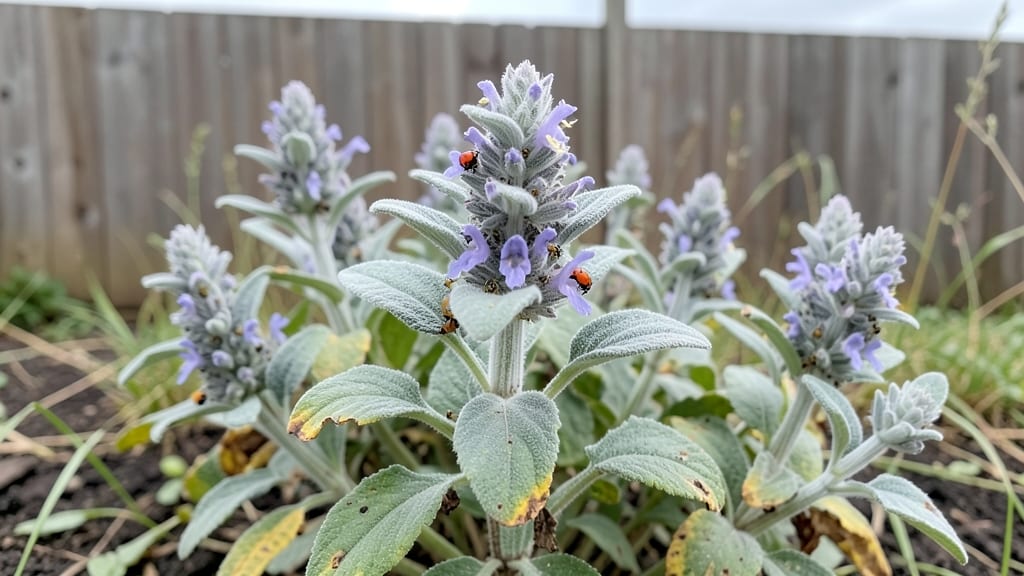
My pest-controlling plants strategy saved my garden from aphids and cabbage moths last summer—no sprays, no fuss. 🌱 The right plants act like a natural security system, keeping pests out while your veggies thrive.
Marigolds alone deter nematodes and rabbits, while basil confuses whiteflies with its scent. I swapped a few rows for these workhorses, and my tomato harvest doubled without a single tomato hornworm in sight.
Plant them strategically: marigolds along borders, basil near tomatoes, and lavender near the patio to keep mosquitoes away. Spacing matters too—crowded plants lose their effectiveness. Start with 3-5 key varieties, then expand as you see which pests they handle best.
Most work year-round, though some like marigolds need replanting after frost. The payoff? A garden where pests think twice before showing up.
You’ll notice the difference within weeks—fewer chewed leaves, no wilting from sap-sucking bugs, and healthier plants overall. The best part? These plants often double as edible herbs or flowers, so you’re not just fighting pests, you’re adding beauty and flavor.
Just watch out for pets or kids: some, like foxglove, are toxic if ingested. I keep mine out of reach, but the trade-off for a pest-free garden is worth it.
Works in containers, raised beds, or in-ground—adjust spacing for your setup. For maximum impact, rotate plants seasonally. My garlic chives now guard the strawberries, while thyme carpets the walkway to deter ants.
The secret isn’t just planting; it’s observing which plants do the most work in your space. Start small, then expand as you master the combo.
Why Plants Lose Their Pest-Repelling Power
Pest-controlling plants are nature’s own defense system, but they don’t always work as expected. Sometimes, their natural repellents weaken, fail to deter pests, or even attract unwanted critters. Here’s why this happens—and how to fix it.
🌱 1. Environmental Stress Weakens Defenses
Plants rely on chemical compounds like pyrethrins (in chrysanthemums) or allelochemicals (in marigolds) to repel pests. But when plants face stress—whether from drought, extreme heat, poor soil, or nutrient deficiencies—their ability to produce these compounds dramatically declines.
For example:
- Drought stress: Reduces the production of limonene in citrus plants, making them less effective against aphids.
- Compacted soil: Limits root growth in basil, weakening its eugenol output, which repels flies and mosquitoes.
- Overwatering: Can dilute essential oils in lavender, reducing its ability to deter moths.
💡 Pro Tip: Keep pest-controlling plants consistently moist but well-drained. Use compost-rich soil and mulch to retain moisture and nutrients without overwatering.
🦟 2. Pests Evolve Resistance
Just like insects develop resistance to synthetic pesticides, they can adapt to natural repellents over time. For instance:
- Japanese beetles have been known to ignore or tolerate the scent of rosemary and catnip in areas where these plants are overused.
- Aphids may bypass garlic or onion plants if exposed to them repeatedly without rotation.
- Whiteflies can become less deterred by neem oil-producing plants like moringa if used exclusively.
🔥 Solution: Rotate pest-controlling plants in your garden to prevent resistance buildup. For example, alternate basil with thyme or mint in your herb beds.
🌿 3. Incorrect Plant Placement Reduces Effectiveness
Some pest-repelling plants only work when placed strategically. If they’re too far from the target pests or blocked by other foliage, their aromatic compounds can’t disperse properly. For example:
- Marigolds must be planted close to vegetables (within 1–2 feet) to repel nematodes and aphids effectively.
- Lemongrass needs to be near entry points (like doors or windows) to deter mosquitoes—planting it in a shaded corner won’t help.
- Pennyroyal must be directly adjacent to roses to repel Japanese beetles; otherwise, the beetles will bypass it.
🎯 Action Step: Follow the "3-5-7 Rule" for placement:
- 3 feet from high-value crops (e.g., tomatoes, peppers).
- 5 feet from garden edges to create a barrier.
- 7 feet from structures (like sheds or patios) to maximize scent dispersion.
❄️ 4. Seasonal Changes Alter Chemical Output
Many pest-repelling plants produce the most active compounds during specific seasons. For example:
| Plant | Peak Repellent Season | Weakest Time |
|---|---|---|
| Chrysanthemums | Late summer to fall | Spring (new growth has lower pyrethrin levels) |
| Lavender | Summer (full bloom) | Winter (dormant, minimal oil production) |
| Basil | Mid-to-late summer | Early spring (slow growth = weaker eugenol) |
🌡️ Workaround: Supplement with seasonal alternatives. For example:
- Use winter savory (effective in cold months) when lavender slows down.
- Plant garlic chives alongside basil in spring for early pest control.
🚫 5. Overuse or Misapplication of Plants
Some gardeners plant too many of the same pest-repelling species, which can backfire. For instance:
- Excess mint can attract spiders (which prey on pests) but also overwhelm the soil, reducing other plants’ health.
- Too many marigolds in one area may attract pollinators that also bring in pest-friendly insects like squash bugs.
- Overcrowded basil leads to fungal issues, weakening its pest-repelling oils.
✨ Best Practice: Follow the "10% Rule"—never let pest-controlling plants make up more than 10% of your garden space. Balance them with companion plants (like nasturtiums or borage) to maintain ecosystem harmony.
Natural Fixes for Common Pests
Pests can turn your garden—or even your home—into a battleground, but nature has the perfect arsenal: pest-controlling plants. These green guardians don’t just repel bugs—they outsmart them with scent, texture, and chemistry.
Below, we’ll tackle the most common pests and match them with easy, plant-powered solutions—plus prevention tips to keep them away for good.
Cause: Sugar cravings, moisture, or protein-rich trails lure ants into homes and yards. Fix:
- Plant marigolds, mint, or lemon balm near entry points (doors, windows, or garden beds). Their strong scents disrupt ant pheromone trails.
- Crush basil leaves and place them along ant highways—the citronella scent confuses them.
- Prevention tip: 💡 Keep food sealed, wipe spills immediately, and store pet food outdoors in metal containers.
Cause: Standing water (their breeding ground) + CO₂ from humans and pets. Fix:
- Grow citronella grass, lavender, or catnip—their oils mask the scents that attract mosquitoes.
- Add a few pots of rosemary or basil near patios; crush leaves occasionally for extra repellent power.
- Prevention tip: ✨ Empty saucers, flower pots, and gutters weekly. Use a fan outdoors—mosquitoes are weak fliers!
Cause: Damp soil, nighttime activity, and a love for tender young plants. Fix:
- Plant garlic, chives, or thyme around vulnerable crops (like lettuce or hostas). Their pungent aroma deters slugs.
- Create a slug barrier with crushed eggshells or diatomaceous earth (food-grade only) around plants.
- Prevention tip: 🌡️ Water plants in the morning so soil dries faster—slugs hate dry conditions.
Cause: Overgrown grass, pet bedding, or wildlife (like raccoons or deer) carrying eggs. Fix:
- Plant pennyroyal, lavender, or wormwood near pet areas. Their strong fragrance repels fleas and ticks.
- Add a patch of tansy in sunny spots—it’s toxic to flea larvae but safe for pets (keep them from chewing it!).
- Prevention tip: 💪 Mow lawns regularly, vacuum pet beds weekly, and treat pets with natural flea collars (like cedar or rosemary-infused ones).
Cause: Overripe fruit, compost piles, or damp soil attracting these tiny pests. Fix:
- Grow basil, mint, or dill near fruit trees or compost bins. Their scent masks the smells that lure gnats.
- Hang a small pot of rosemary in your kitchen—crush leaves occasionally to deter fruit flies.
- Prevention tip: 🍎 Harvest fruit promptly, store compost in sealed bins, and avoid overwatering plants.
Cause: Dark, undisturbed areas + a food source (like insects). Fix: - Place pots of lavender or geraniums near windows and doorways.
Spiders dislike their citrusy or floral scents. - Add a few peppermint plants indoors—the menthol scent repels them naturally. - Prevention tip: 🕷️ Keep your space tidy: seal cracks, store clutter in sealed bins, and sweep corners regularly.
Need a one-plant solution? Try these powerhouse combos:
| Pest Problem | Best Plant Allies | Where to Plant |
|---|---|---|
| Japanese Beetles | Marigolds, Garlic, or Catnip | Around roses, grapes, or veggie gardens |
| Rats or Mice | Mint, Peppermint, or Lemongrass | Near sheds, garages, or compost piles |
| Whiteflies | Basil or Ageratum | Under greenhouse plants or near tomatoes |
- Rotate plants seasonally—some pests build resistance (e.g., aphids may ignore marigolds after a few years).
- Combine methods: Use neem oil (for soft-bodied pests) with pest plants for a 1-2 punch.
- Go native: Local varieties (like bee balm or yarrow) often work better than hybrids.
- DIY repellent spray: Blend chives, garlic, and water, strain, and spray on plants weekly.
Remember: Pests hate surprises—mix up your plant placements and scents to keep them guessing! With these natural, low-effort fixes, you’ll enjoy a pest-free oasis without harsh chemicals. 🌱✨
Frequently asked questions
Which pest-repelling plants work best for indoor spaces?
For indoor use, try peppermint, lavender, or geraniums—their strong scents deter spiders, ants, and even mosquitoes. Place pots near windows or doorways where pests enter. Basil also works well in kitchens to repel fruit flies and gnats. Just ensure your pets avoid these plants, as some (like peppermint) can be toxic to cats.
Can pest-repelling plants replace chemical pesticides completely?
While they’re highly effective, no single plant can replace pesticides entirely. For severe infestations, combine plants with neem oil or soapy water sprays for a 1-2 punch. For example, marigolds deter nematodes but won’t stop squash bugs—pair them with tansy or catnip for broader protection. Rotate plants seasonally to prevent pest resistance.
How do I prevent pest-repelling plants from attracting beneficial insects?
Balance is key! Overplanting strong-scented varieties (like mint or tansy) can attract pollinators that bring pests. Follow the \"10% Rule\": limit pest plants to 10% of your garden space and interplant with bee-friendly flowers (like nasturtiums or borage). Also, avoid planting all repellent species in one area—space them out to minimize disruption to your garden’s ecosystem.
Are there any pest-repelling plants safe for pets?
Yes! Lavender, rosemary, and basil are pet-safe and effective against fleas, mosquitoes, and ants. Avoid foxglove, oleander, or lily of the valley—these are toxic. For pet areas, use catnip (safe for cats) or lemongrass (non-toxic to dogs) to repel ticks and fleas. Always monitor your pets when introducing new plants.
What’s the best way to maximize a plant’s pest-repelling power?
Crushing leaves occasionally releases more aromatic oils—try this with basil, mint, or lavender near problem areas. Plant in full sun (most repellent plants thrive with 6+ hours of sunlight daily) and well-draining soil. For container gardens, use 1–2 pest plants per 4-inch pot to concentrate their scent. Rotate crops annually to prevent pest adaptation.