Plants
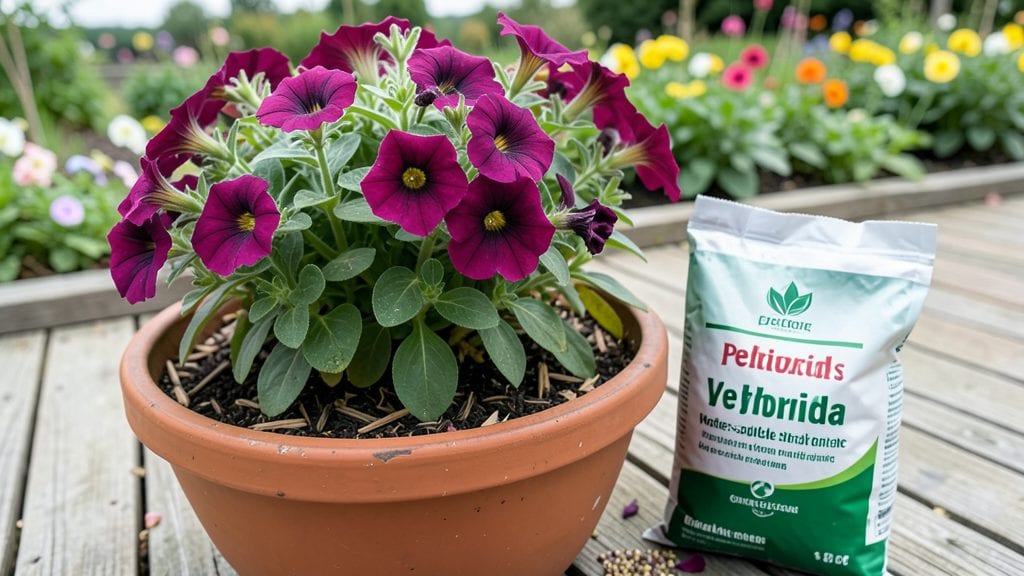
The right petunia plant fertilizer will unlock a cascade of vibrant blooms that keep your garden stealing the spotlight all season long.
Struggling to keep your petunias blooming all season long? The right fertilizer can transform wimpy stems into vibrant, long-lasting flowers—but choosing the wrong one wastes time and money.
Petunias crave phosphorus-rich food to fuel their showstopping blooms, but overdoing it burns roots or leaves you with leafy green monsters instead of flowers. Below, I break down the best fertilizers, when to feed them, and how to spot when you’ve gone overboard.
You’ll learn how to feed your petunias every 2-4 weeks during their peak season, plus easy DIY recipes to skip the store entirely. No more guessing—just vibrant, healthy petunias that bloom until frost.


Best fertilizers for petunias: organic vs synthetic bloom boosters
Petunias thrive when they receive the right nutrients, but not all fertilizers are created equal. Organic options like fish emulsion and compost tea build soil health over time, while synthetic bloom boosters deliver quick results with precise NPK ratios.
The key is matching your petunia's needs—whether you want bold, vibrant blooms or longer-lasting flowers—to the fertilizer type. Let’s break down the best choices for your garden.
Petunias are heavy feeders, especially during their peak flowering season from June to September. They crave a balanced NPK ratio (like 10-10-10 or 5-10-10) with extra phosphorus for blooms. But too much nitrogen can lead to lush leaves and few flowers, while too little can stunt growth.
Your fertilizer choice should align with your gardening goals: organic for sustainability or synthetic for fast results.
Here’s a detailed comparison of the top fertilizers for petunias, including their NPK ratios, application timing, and impact on growth and color intensity. Use this guide to pick the best option for your container or in-ground petunias.
Comparison Table: Petunia Fertilizers
| Fertilizer Type | NPK Ratio | Best For | Application Timing | Bloom Impact |
|---|---|---|---|---|
| Fish Emulsion (Organic) | 5-1-1 or 2-3-1 | Soil health, root growth | Every 2-3 weeks, diluted | Moderate blooms, long-lasting |
| Compost Tea (Organic) | Varies (0-0-0) | Microbes, nutrient uptake | Weekly foliar spray | Healthy growth, fewer pests |
| Slow-Release Granules (Synthetic) | 14-14-14 or 10-10-10 | Steady nutrient release | Once at planting, mid-season | Vibrant, long-lasting blooms |
| Liquid Bloom Booster (Synthetic) | 10-30-20 or 7-9-5 | Quick phosphorus boost | Every 2 weeks, diluted | Bold, intense color |
Fish emulsion is my go-to organic option for petunias because it’s rich in nitrogen for foliage and improves soil structure. I dilute it to 1-2 tbsp per gallon of water and apply it every 2-3 weeks during the growing season. The downside? It has a strong odor, so I apply it early in the morning before the sun gets too hot. For container petunias, I cut the dose in half to avoid overfeeding.
If you prefer a synthetic option, slow-release granules are a game-changer. They provide a steady supply of nutrients without the risk of burning roots. I sprinkle them around the base of the plant at planting time and again in mid-summer.
The 14-14-14 ratio ensures balanced growth, but I switch to a higher-phosphorus formula (like 10-30-20) when buds form to intensify flower color.
For quick results, liquid bloom boosters are hard to beat. These high-phosphorus fertilizers (like 10-30-20) deliver an instant color boost and are perfect for show-stopping displays. I use them every 2 weeks during peak blooming season, but I always follow label instructions to avoid overfeeding.
The trade-off? They require more frequent applications and can leach into groundwater if overused.
Don’t overlook compost tea as a natural fertilizer for petunias. It’s packed with beneficial microbes that improve nutrient uptake and reduce pests. I brew it at home using well-aged compost and a
How to fertilize petunias for maximum blooms: step-by-step guide
Petunias thrive when fed the right nutrients at the right time, but their nutritional needs shift dramatically from spring to fall. I’ve learned the hard way that over-fertilizing in early spring burns young roots, while skipping summer feedings leads to weak blooms.
The key is balancing phosphorus for flowers with potassium for resilience, especially in containers where nutrients leach faster.
Start with a balanced fertilizer (like 10-10-10) at planting to kickstart growth, then switch to a bloom booster (higher phosphorus, e.g., 5-10-5) once flowers appear. Container petunias need twice the frequency of in-ground plants—they’re like thirsty divas that demand constant nourishment.
My trailing petunias in hanging baskets get fed every 2 weeks, while my in-ground varieties manage on a monthly schedule.
For seasonal adjustments, I cut back fertilizing in late summer (August-September) to harden off plants for fall. My container petunias get a final light feeding in early September to extend their season, while in-ground plants can skip it entirely.
In winter, petunias are dormant, so no fertilizer is needed—unless you’re overwintering them indoors, where I switch to a low-dose houseplant fertilizer every 8 weeks.
Watch for over-fertilization signs: crispy leaf edges, yellowing between veins, or white crust on soil.
To fix it, leach the soil by watering thoroughly for 10 minutes, then let it dry slightly before resuming normal care. Under-fertilized petunias show up as small, sparse blooms, weak stems, or pale green leaves. In this case, give them a half-strength feed immediately and increase frequency gradually.
Pro tip: Water before fertilizing—this prevents root burn. I always apply fertilizer to moist (not soggy) soil in the early morning, so nutrients absorb quickly and don’t attract pests.
For container growers, I mix slow-release granules into the potting mix at planting, then top-dress with compost every month to keep nutrients steady without the hassle of liquid feeds.
Remember, petunias are heavy feeders but hate extremes. The secret to maximum blooms isn’t drowning them in fertilizer—it’s matching their nutritional needs to their growth stage. Start light, increase as they flower, and taper off as days shorten. Your petunias will reward you** with nonstop color all season long! 🌸