Size
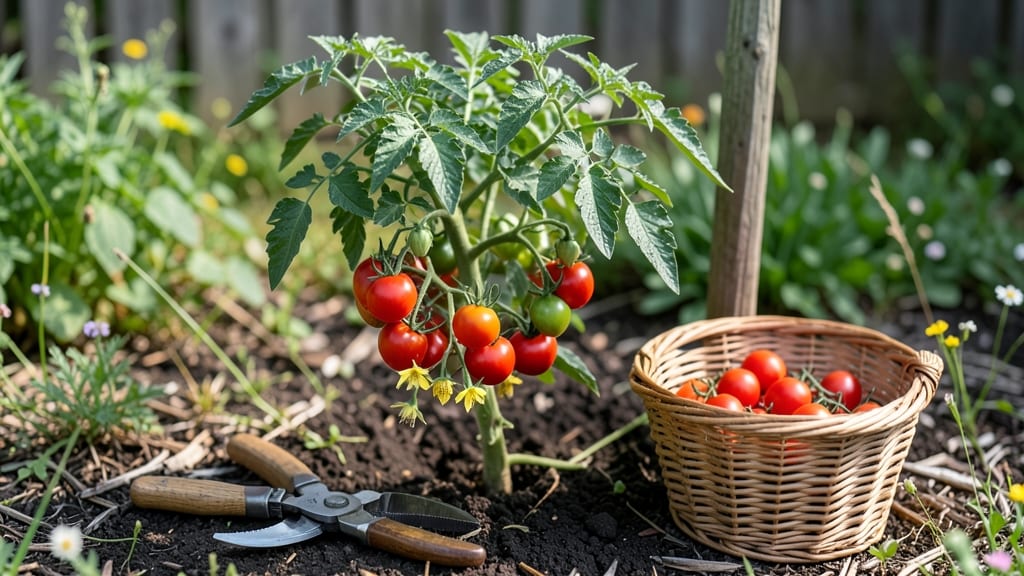
Fast-growing food plants turn empty space into harvests in record time—some even sprout within days. 🌱 I’ve grown everything from microgreens to bush beans this way, and the secret is choosing varieties bred for speed, not patience.
These plants don’t just grow; they explode with edible bounty when given the right conditions.
The magic happens with minimal setup: a sunny spot, loose soil, and consistent moisture. My fastest successes came from radishes (ready in 3 weeks), lettuce (4 weeks), and green onions (6 weeks)—all thriving in shallow containers or garden beds.
The key is avoiding overwatering and keeping seeds in warm soil, which cuts germination time by half.
By mid-summer, you’ll be harvesting crisp greens, tender shoots, and even small tomatoes faster than you can order takeout. The best part? These same varieties stretch into fall with row covers, giving you a second harvest before frost.
No fancy equipment needed—just sunlight and a little patience (though these plants reward speed).
Perfect for small spaces, balconies, or anyone tired of waiting months for a garden to pay off. Let’s get those seeds sprouting—and your kitchen stocked—before you know it.
📚 In This Guide
- What you need
- Instructions
- Tips and common mistakes
- Wrapping up and next steps
What you need
- ● Seeds: Fast-germinating varieties (e.g., radishes, green onions, lettuce, bush beans, or microgreens). Aim for 1–2 lbs of seed (adjust based on space).
- ● Growing Containers: For indoors: 6–12" deep trays (2–4 per variety) or 5-gallon buckets with drainage holes.
- ● For outdoors: Raised beds (4'x8' minimum) or 10–12" deep pots (1–2 per plant, depending on size).
- ● Growing Medium: Soil: High-quality potting mix (sterilized, peat-free preferred) or coco coir (10–20 lbs).
- ○ Optional boost: Worm castings (5 lbs) or compost (blend 20% into soil).
- ● Watering Supplies: Spray bottle (for seedlings) or drip irrigation kit (for larger setups).
- ● Watering can (2–3 gallons capacity).
- ● Basic Tools: Trowel (for transplanting).
- ● Pruners (sharp, for harvesting).
- ● Measuring tape (to track plant spacing).
- ● Lighting (Indoor Setups): Grow lights (LED, full-spectrum; 12–16 hours/day).
- ● Reflective trays (to maximize light efficiency).
- ○ Optional Extras: pH meter (to test soil, ideal range: 6.0–7.0).
- ● Seedling heat mat (for faster germination, 70–80°F).
- ● Trellis or stakes (for vining plants like beans or cucumbers).
- ● Space: Indoors: Sunny windowsill or dedicated grow area (minimum 2 sq ft per plant). Outdoors: Partial sun (4+ hours/day) or full sun (6+ hours).
- ● Time: 10–30 minutes daily for watering, pruning, and monitoring.
- ● Knowledge: Basic understanding of your climate’s frost dates (extend seasons with row covers or greenhouses!).
- ● Budget: $50–$200 for startup (seeds, soil, and tools; reuse containers to save!).
Step-by-Step guide to growing fast-germinating food plants
Here's how to jumpstart your harvest with speedy varieties that deliver quick results.
🌱 Step 1: Select the Right Fast-Germinating Varieties
Choose seeds labeled "fast-growing" or "quick-maturing" like radishes (5-10 days), bush beans (5-10 days), or lettuce (3-7 days). I always pick varieties with germination times under 2 weeks—these are your best bets for impatient gardeners. Check the seed packet for exact days, as some "fast" claims stretch to 14 days if conditions aren't ideal.
Radishes and arugula top the speed chart, sprouting in 3-5 days under perfect conditions. Plant these first if you're eager for green. I keep a small notebook to track germination times—your local climate might make some varieties faster or slower than advertised.
💧 Step 2: Prep Soil and Plant for Speed
Use the sterile seed-starting mix (never garden soil—it slows germination). Warm the soil to 70-80°F by placing trays on a seedling heat mat or near a sunny window for 24 hours before planting. Cold soil delays germination by days, so don't skip this step if you want fast results.
Plant seeds twice as deep as their diameter—shallow planting prevents rot, while burying too deep forces seedlings to struggle upward. Mist the soil lightly with warm water (cold water shocks seeds) until the surface looks damp but not soggy. Cover the tray with plastic wrap to trap warmth and humidity, then place it in bright indirect light (no direct sun yet).
☀️ Step 3: Monitor for Sprouts and Adjust Light
Check daily starting day 3—you'll see tiny white sprouts poking through first. Radishes often appear in 5 days, while beans take 7-10 days. Remove the plastic wrap immediately when 50% of seeds sprout to prevent mold. Without proper airflow, seedlings can rot before they even stand up.
Move sprouts to full sun (6+ hours daily) once they have 2 true leaves (not the first tiny seed leaves). A south-facing window works, but supplement with a grow light if natural light is weak. Leggy seedlings (stretched, pale stems) mean they're starving for light—bring them closer or add artificial light immediately.
✂️ Step 4: Thin and Harvest for Continuous Yields
Thin seedlings to 1-2 inches apart when they have 3-4 true leaves, using scissors to snip weak ones at soil level. This prevents competition and ensures stronger plants. Harvest radishes when they reach ½ inch diameter—waiting longer makes them tough. For lettuce, pick outer leaves as soon as they're 2 inches tall to encourage regrowth.
I harvest every 2-3 days for radishes and 5-7 days for lettuce to keep production going. Fast varieties like these are perfect for succession planting—sow new seeds every 2 weeks for a never-ending supply. The key is consistency: harvest young, plant often.
Tips & tricks for fast-germinating food plants
Real talk: The difference between a speedy harvest and waiting weeks for sprouts often comes down to these small but powerful tricks.
Warmth is Everything: That 70-80°F soil temperature in Step 2 isn't just a suggestion—it's non-negotiable for fast germination. I've seen seeds take twice as long when soil is below 65°F. If your kitchen runs cool, place your seed trays on top of your fridge for a few hours to warm them up before planting. For extra speed, use a seedling heat mat (they're cheap and make all the difference!).
Light Timing Secret: Don't rush to full sun too soon! Those first 3-5 days in bright indirect light are crucial—direct sun can scorch tender sprouts. I place my trays near an east-facing window where they get morning light but stay protected from harsh afternoon rays. Once you see those first true leaves in Step 3, that's when you graduate to full sun.
Harvest Strategy: The 2-3 day radish harvest window is tight, so set a reminder! I harvest mine in the morning when they're crispest. For lettuce, I use the "cut-and-come-again" method—snip outer leaves and leave the inner core to regrow. This keeps your plants producing for weeks instead of just a single harvest.
Climate Adjustment: Your local weather can throw off those 5-10 day germination estimates. If you're in a cooler climate, extend your 24-hour soil warming to 48 hours before planting. In hot climates, keep seed trays in shade until you see sprouts to prevent drying out. I always keep a small notebook to track what works in my specific conditions.
Pro Tips for Plant Grow Food
- Real talk: The difference between a speedy harvest and waiting weeks for sprouts often comes down to these small but ...
- Warmth is Everything: That 70-80°F soil temperature in Step 2 isn't just a suggestion—it's non-negotiable for fast ge...
- Light Timing Secret: Don't rush to full sun too soon! Those first 3-5 days in bright indirect light are crucial—direc...
Frequently asked questions
Got questions about growing fast-food plants year-round?
Here are answers to the most common ones—so you can skip the guesswork and get straight to harvesting!
What are the fastest-growing plants for food?
For quick harvests, prioritize radishes (21–30 days), green onions (30–40 days), baby leaf lettuce (30–45 days), bush beans (50–60 days), and spinach (30–50 days). Herbs like basil and cilantro also sprout fast (10–14 days) and regrow if cut properly!
Can I grow food indoors without sunlight?
Use a grow light (LED or fluorescent) for 12–16 hours daily. Leafy greens like kale or microgreens thrive under lights, while tomatoes or peppers need stronger setups. Place plants 6–12 inches from the light for best results—just rotate them weekly for even growth!
How do I extend growing seasons for year-round harvests?
Start with cold-hardy crops like kale, spinach, or carrots in early spring/fall. Use row covers or greenhouses to protect plants from frost. For winter, try container gardening near sunny walls or under grow lights. Succession planting (sowing new seeds every 2–3 weeks) keeps your pantry stocked!
Why aren’t my seeds germinating? Troubleshooting tips!
Check these first:
- Moisture: Keep soil damp (not soggy) with a spray bottle or bottom-watering tray.
- Temperature: Most seeds need 65–75°F—use a seedling heat mat if your space is chilly.
- Depth: Tiny seeds (like lettuce) should sit on top; larger ones (beans) go 1–2 inches deep.
- Freshness: Old seeds (<2 years) may fail—test viability by soaking in water (sink = good!).
Still stuck? Try scarifying (nick the seed coat) or soaking overnight for stubborn varieties like chives.
What’s the easiest “no-fail” plant for beginners?
Start with green onions or basil—both regrow from scraps! Cut the roots (1 inch) and place in water; new shoots sprout in 7–10 days. For soil, try radishes or bush beans: fast, forgiving, and delicious. Pro tip: Label your containers to track watering needs!
Wrapping up and next steps
Growing your own food is one of the most rewarding ways to enjoy fresh, nutritious meals—and it doesn’t have to take forever! Fast-germinating varieties like radishes, arugula, and green onions let you harvest in weeks, making year-round yields totally doable.
Whether you’re a seasoned gardener or just starting, these quick growers prove that planting food is easier (and more exciting!) than you think.
Ready to dive in? Start small—pick one or two varieties from this list, gather your supplies, and watch your garden transform. Before you know it, you’ll be feasting on homegrown goodness 🌱✨!