
Succulent
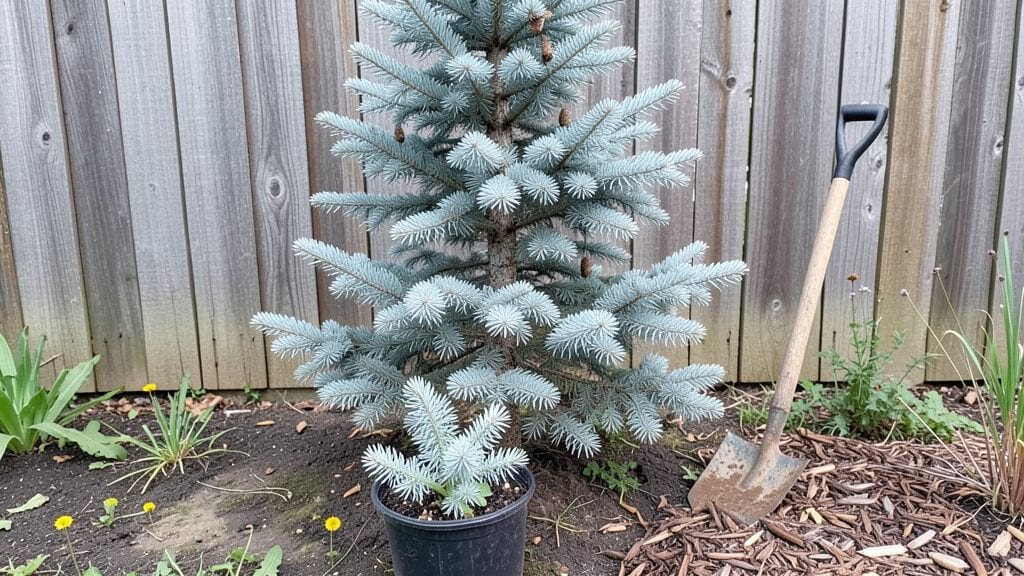
Planting blue spruce trees means adding a year-round centerpiece that thrives with almost no fuss. ✨ I’ve planted dozens over the years, and the ones that grow strongest are those given the right start—well-drained soil, full sun, and just enough space to stretch their branches.
The key isn’t complicated, but skipping these basics leads to stunted growth or worse.
You’ll need a hole twice as wide as the root ball, a mix of native soil and compost, and a sunny spot with at least 6 hours of direct light daily. Blue spruces hate soggy roots, so raised beds or slopes work best in wet climates.
Most people overlook spacing—plant them 10 to 15 feet apart to avoid future crowding, which can invite pests and diseases.
After planting, water deeply but let the soil dry slightly between drinks—overwatering is the fastest way to kill these tough trees. A 2- to 3-inch layer of mulch keeps roots cool in summer and insulated in winter, while light pruning in early spring encourages that signature dense, blue-green growth.
Within a few years, you’ll have a tree that needs almost no care beyond occasional watering.
Perfect for drought-prone areas, urban yards, or as a windbreak—just avoid planting near sidewalks where roots might crack pavement. Here’s how to get it right the first time, so your blue spruce stands tall for decades.
📚 In This Guide
- What you need
- Instructions
- Tips and common mistakes
- Wrapping up and next steps
What you need
- ● Blue spruce sapling: 1 (choose a Picea pungens variety, 3–5 feet tall for mature growth)
- ● Shovel or spade: 1 (preferably a digging shovel for ease)
- ● Garden gloves: 1 pair (to protect your hands from rough soil and sap)
- ● Mulch: 2–3 bags (pine bark, wood chips, or shredded leaves—3–4 inches deep)
- ● Watering can or hose: 1 (with a gentle spray nozzle for hydration)
- ○ Soil amendment (optional but helpful): Compost or well-rotted manure (1–2 gallons, mixed into planting hole)
- ● Slow-release fertilizer (e.g., 10-10-10, 1–2 cups per tree)
- ● Staking kit: 1–2 stakes + ties (if planting in windy areas or soft soil)
- ● Tree guard or protective barrier: 1 (to deter critters or lawn equipment)
- ● Soil pH tester: 1 (blue spruces prefer slightly acidic soil (pH 6.0–7.0))
- ● Pruning shears: 1 (for shaping or cleaning up after planting)
- ● Drip irrigation system: (for automated watering, especially in dry climates)
Step-by-step guide to planting blue spruce trees
Here's how to plant these stunning evergreens for long-term beauty with almost no fuss.
🌱 Step 1: Choose the Perfect Planting Spot
Blue spruce trees thrive in full sun, so pick a location that receives at least 6 hours of direct sunlight daily. They tolerate a wide range of soil types but perform best in well-draining soil. Avoid low-lying areas where water collects after rain—roots need oxygen, not soggy conditions.
I like to test the spot by digging a small hole about 12 inches deep and checking for standing water. If water pools after 30 minutes, amend the soil with 2-3 inches of coarse sand or gravel to improve drainage. The tree's mature height and width will determine spacing—plan for 10-15 feet between trees for full-grown specimens.
🪴 Step 2: Prepare the Planting Hole
Dig a hole that's twice as wide as the root ball but no deeper. This gives roots room to spread without settling too low, which can suffocate them. For a 5-gallon container tree, aim for a hole about 18-24 inches wide and 12 inches deep.
Loosen the sides of the hole with a shovel to prevent compacted soil from restricting root growth. Mix the native soil with a handful of slow-release fertilizer (like 10-10-10) at the bottom of the hole to give the tree a nutrient boost as it establishes. This step is crucial—skipping it means your tree will struggle for years to catch up.
💧 Step 3: Plant and Water Thoroughly
Remove the tree from its container and gently loosen the root ball if it looks tightly bound. Place the tree in the hole so the top of the root ball sits 1-2 inches above ground level. This prevents water from pooling around the stem, which can cause rot. Fill the hole with the amended soil, tamping lightly as you go to remove air pockets.
Water immediately after planting to settle the soil and eliminate air gaps. Use 5 gallons of water for a 5-gallon tree, applied slowly at the base. You'll know it's enough when water runs out the bottom of the hole—this ensures the roots make full contact with moist soil. Mulch with 2-3 inches of organic mulch (like pine straw) around the base, keeping it 3 inches away from the trunk to prevent moisture buildup.
☀️ Step 4: Provide Support and Monitor Growth
Stake young blue spruce trees if they lean or if your area experiences strong winds. Use 2-3 stakes positioned 6-12 inches from the trunk and tie the tree loosely with soft plant ties to avoid girdling. Check ties monthly—they should allow some movement but prevent excessive swaying.
Water once a week during the first growing season, providing 1-2 gallons per tree unless rainfall exceeds 1 inch per week. You'll know the tree is established when new growth appears in spring—this means the roots have spread beyond the root ball. After the first year, blue spruce are remarkably drought-tolerant, but young trees need consistent moisture to thrive.
✂️ Step 5: Prune for Shape and Health
Blue spruce rarely need pruning, but you can shape them lightly in late winter or early spring before new growth begins. Remove only dead, diseased, or crossing branches using clean, sharp pruners. Never remove more than 25% of the tree's foliage in one season—this stresses the tree and invites pests.
Watch for brown needles in the lower branches—this is normal as the tree matures and sheds older growth. If you see yellow or red needles, it's often a sign of spider mites or bagworms. Treat early with horticultural oil or insecticidal soap. With proper planting, blue spruce will reward you with decades of vibrant blue-green color and minimal upkeep.
Tips & tricks for planting blue spruce trees
A few strategic moves that'll set your blue spruce up for decades of stunning growth.
The Drainage Test: Don't just eyeball that planting spot! After digging your 12-inch test hole, fill it with water and wait the full 30 minutes. If water remains, you've got poor drainage. I've seen blue spruce fail spectacularly when planted in soggy soil—roots need oxygen, not a swamp. For heavy clay soils, mix in 2-3 inches of coarse sand or gravel right at the bottom of the planting hole. This creates a natural drainage layer that'll prevent root rot for years.
Root Ball Prep: Before planting that 5-gallon tree, gently tease apart the root ball edges with your fingers. I promise you'll see a difference—this encourages roots to spread outward immediately rather than circling the root ball like they're stuck in a traffic jam. Just don't go overboard; you're loosening, not shredding. For container-grown trees, soak the root ball in water for 10-15 minutes before planting to revive any dried-out roots.
Watering Wisdom: That 5-gallon watering after planting isn't just a one-time splash. Water again after 3 days, then weekly for the first year. The key is deep watering—aim for 1-2 gallons each time to encourage roots to grow downward. I've noticed blue spruce planted with shallow watering develop shallow root systems that can't support the tree during storms. A moisture meter helps track soil moisture, but stick your finger in—if the top 2 inches are dry, it's time to water.
Mulch Matters: Spread that 2-3 inches of organic mulch like pine straw in a donut shape around the base, keeping it 3 inches away from the trunk. This prevents moisture buildup that leads to rot while locking in soil moisture. I like to refresh the mulch annually in late winter—it breaks down faster than you'd think. Just avoid piling mulch against the trunk; that's a fast track to trunk rot. Think of it as a protective blanket that keeps roots cozy without smothering them.
Pro Tips for Planting Blue Spruce
- A few strategic moves that'll set your blue spruce up for decades of stunning growth.
- The Drainage Test: Don't just eyeball that planting spot!
- Root Ball Prep: Before planting that 5-gallon tree, gently tease apart the root ball edges with your fingers.
Frequently asked questions
Got questions about planting blue spruce trees? You’re not alone! Here are some of the most common concerns—plus straightforward answers to help you get started with confidence.
What’s the best time of year to plant a blue spruce?
Spring or early fall is ideal! Planting in spring (March–May) lets roots establish before summer heat, while fall (September–October) avoids winter stress. Avoid planting in extreme heat or deep freeze—your tree will thank you for the gentle start.
How long does it take for a blue spruce to mature?
Patience is key—blue spruces grow about 6–12 inches per year, reaching maturity (full size) in 10–15 years. For faster results, opt for a 3–5-year-old sapling instead of a seedling. Dwarf varieties mature sooner (5–10 years), making them great for smaller spaces.
Do blue spruces need full sun, and what if my yard is shady?
Blue spruces thrive in full sun (6+ hours/day), but they tolerate partial shade (4–6 hours). In shady spots, growth may slow, and color intensity fades. If your yard is heavily shaded, consider alternatives like Colorado blue spruce hybrids or dwarf varieties that adapt better.
What pests or diseases should I watch for with blue spruces?
Common issues include spider mites, bagworms, and fungal diseases (like needle blight). Prevent pests with regular watering (deep but infrequent) and mulch. If you spot chewed needles or webbing, treat with horticultural oil or insecticidal soap. Prune affected branches promptly to stop spread.
Can I plant a blue spruce in a container, or does it need ground planting?
Yes! Blue spruces do well in containers if the pot is at least 18–24 inches deep with drainage holes. Use well-draining soil and repot every 2–3 years. Dwarf varieties are perfect for pots, while larger trees need ground planting for stability. Just ensure the container doesn’t outgrow your space!
Wrapping up and next steps
Planting a blue spruce is a rewarding way to add timeless beauty and resilience to your landscape—with minimal fuss! 🌲 These stunning evergreens thrive in various climates, require little maintenance, and deliver year-round color.
Whether you’re a seasoned gardener or just starting, their low-care needs make them the perfect choice for effortless curb appeal.
Now that you’re armed with the right materials and tips, it’s time to roll up your sleeves and get planting! Start by selecting the perfect spot, then follow the steps above for a healthy, thriving blue spruce that will stand the test of time. Happy gardening! 🌱