Picking
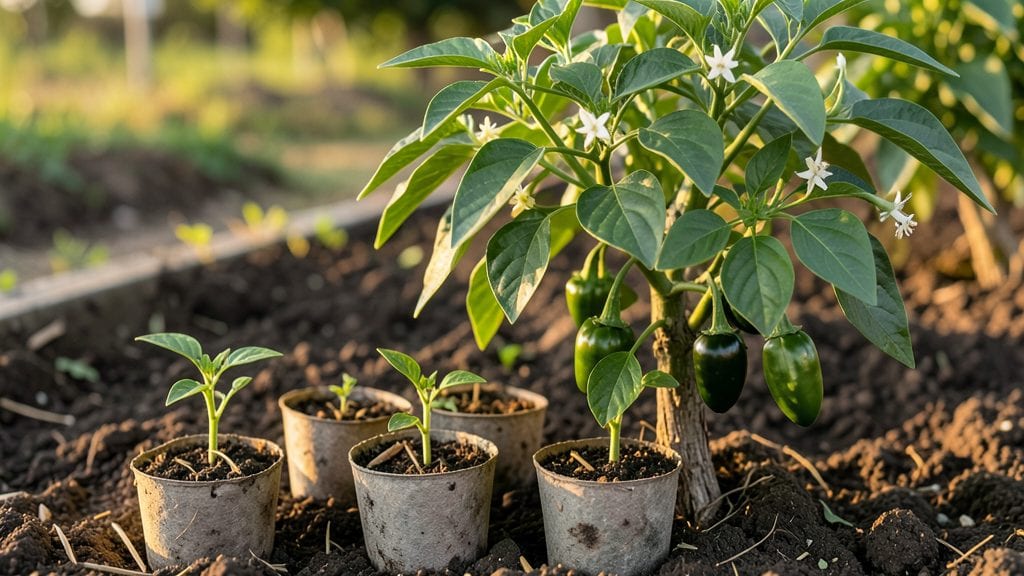
Planting pimento peppers delivers that perfect balance of heat and sweetness you didn’t know you craved until you tried it. 🌿 I’ve grown these peppers for years, and there’s nothing like the first bite of a fresh, jammy pepper straight from the plant—especially when you’ve nurtured it from seed.
The key starts with soil that’s warm, well-draining, and rich in compost, because pimentos hate soggy roots but thrive when their roots can stretch into nutrient-dense earth.
You’ll need a sunny spot with at least 6-8 hours of direct sunlight daily, since these peppers pack flavor when they soak up plenty of warmth.
If you’re starting from seed, sow them indoors 8-10 weeks before your last frost, then transplant seedlings when nighttime temperatures stay above 55°F. Spacing matters too—give each plant 18-24 inches of room to avoid crowding, which leads to disease and stunted growth.
Once planted, keep the soil consistently moist but not waterlogged, and watch for those first signs of life: glossy green leaves and a sturdy stem. The real magic happens when flowers appear—tiny white blooms that will turn into peppers with just the right kick.
Within 70-80 days, you’ll be harvesting peppers that are perfect for stuffing, roasting, or drying into the sweet-and-spicy filling you know and love.
Here’s the thing—pimentos are forgiving, but they won’t tolerate cold snaps or poor drainage. If your summers are short, opt for early-maturing varieties like ‘Yolo Wonder’ or ‘Cherokee Purple’ to maximize your harvest.
And if you’re in a cooler climate, consider growing them in containers so you can move them indoors when temperatures dip.
📚 In This Guide
- What you need
- Instructions
- Tips and common mistakes
- Wrapping up and next steps
What you need
- ● Pimento Pepper Seeds: 5–10 seeds (or 1–2 plants if buying seedlings). Look for heirloom varieties like ‘Cherokee Purple’ or ‘Sweet Banana’ for bold flavors!
- ● Seed Starting Mix: 1–2 quarts (for indoor germination). Use a lightweight, sterile mix (avoid garden soil—it’s too dense!).
- ● Seed Trays or Biodegradable Pots: 4–6 small pots (2–3 inches deep) with drainage holes.
- ○ Grow Lights or Sunny Window: A seedling heat mat (optional but helpful) to keep soil at 75–85°F for faster germination.
- ● Outdoor Planting: Well-draining potting soil or raised bed mix (amend with compost for nutrients).
- ● 1–2 gallon containers (if growing in pots), with drainage holes.
- ● Mulch (straw or shredded leaves) to retain moisture and regulate soil temp.
- ● Fertilizer: Balanced 10-10-10 fertilizer (for seedlings) or 5-10-10 (for mature plants).
- ● Organic options: Fish emulsion or compost tea (every 4–6 weeks).
- ● Watering Can or Hose: With a gentle spray nozzle (peppers hate soggy roots!).
- ● Gloves & Pruners: For handling plants and trimming (sterilize with rubbing alcohol!).
- ● Climate: Pimentos thrive in USDA Zones 8–11. Start seeds 8–10 weeks before last frost (or use a greenhouse!).
- ● Sunlight: 6–8+ hours of full sun daily (no shade—these peppers crave heat!).
- ● Soil pH: Aim for 6.0–6.8 (test with a soil kit or send a sample to your local extension office).
- ● Patience: Germination takes 10–20 days (longer in cool soil). Harvest time: 70–90 days after transplanting!
Step-by-Step instructions for planting pimento peppers
Here's how to grow these dual-purpose peppers that deliver both heat and sweetness in your garden.
🌱 Step 1: Prepare the Soil and Planting Site
Pimento peppers thrive in well-draining soil with a pH between 6.0 and 7.0. Work 2-3 inches of compost into the top 12 inches of your planting area to improve fertility and drainage. These peppers are sensitive to soggy roots, so avoid heavy clay soils unless amended with organic matter. Choose a location that receives full sun—at least 8 hours of direct sunlight daily. If your climate has hot summers, provide afternoon shade to prevent sunscald on the fruit.
Test your soil’s moisture level before planting. Stick your finger 2 inches deep—if the soil feels dry, it’s ready. If it’s still damp, wait 2-3 days before planting. Pimento peppers are warm-season plants, so only transplant them outdoors after the last frost when soil temperatures reach at least 65°F. Cold soil slows germination and stunts growth, so use a soil thermometer if you’re unsure.
🪴 Step 2: Plant Transplants at the Right Depth
Dig holes slightly deeper than the root ball of your pimento pepper transplants—about 1 inch deeper than the container’s base. This encourages roots to grow downward rather than circling. Space plants 18-24 inches apart in rows 24-30 inches apart to allow for airflow and easy harvesting. Crowding invites fungal diseases like powdery mildew, which can defoliate plants and reduce yields.
Gently remove the transplant from its container and place it in the hole, ensuring the top of the root ball sits just below soil level. Fill the hole with soil, pressing lightly to eliminate air pockets. Water deeply right after planting to settle the soil and encourage root contact. You’ll know it’s done right when the soil surface looks slightly firm but not compacted.
☀️ Step 3: Water and Fertilize for Strong Growth
Water pimento peppers deeply once a week during dry spells, aiming for 1 inch of water per week. Avoid overhead watering, especially in the morning, to prevent fungal diseases. Instead, use a drip irrigation system or soaker hose to deliver water at the base. Mulch around plants with 2-3 inches of straw or shredded leaves to retain moisture and suppress weeds. Keep the mulch 2-3 inches away from the stem to prevent rot.
Feed plants with a balanced fertilizer (10-10-10) when flowers appear, following label instructions. Pimento peppers are heavy feeders, so a second application 4-6 weeks after flowering boosts fruit production. Look for dark green, glossy leaves as a sign of healthy growth. If leaves yellow between veins, it’s a sign of iron deficiency—apply a chelated iron supplement or compost tea to remedy it.
✂️ Step 4: Prune and Support for Maximum Yield
Pimento peppers benefit from light pruning to improve airflow and direct energy toward fruit production. Remove any suckers (side shoots) that form in the leaf axils, as these divert energy from fruit development. Prune in the morning when temperatures are cooler to reduce stress on the plant. Use sterilized pruning shears to make clean cuts just above a leaf node.
As peppers develop, they may need support, especially in windy areas. Install bamboo stakes or cages at planting time and gently weave stems through as they grow. This prevents fruit from touching the ground, reducing rot risk. Harvest peppers when they reach 3-4 inches long for the best flavor. Use a sharp knife or pruners to cut stems, leaving a small portion attached to encourage more production.
🌿 Step 5: Monitor for Pests and Diseases
Pimento peppers are relatively pest-resistant, but aphids, spider mites, and hornworms can still appear. Inspect plants weekly, focusing on the undersides of leaves. Blasts of water from a hose can dislodge aphids, while handpicking hornworms (they’re large and easy to spot) prevents damage. For spider mites, introduce predatory mites or use neem oil as a preventive spray.
Watch for signs of blossom end rot, which appears as dark, sunken spots on peppers. This occurs when calcium levels are low or soil moisture fluctuates. Apply crushed eggshells or a calcium supplement to the soil and maintain even watering. If peppers develop powdery mildew, remove affected leaves immediately and treat with a baking soda spray (1 tablespoon baking soda + 1 quart water + a drop of dish soap).
Tips & tricks for perfect pimento pepper planting
These insights will help you cultivate thriving pimento peppers with minimal stress and maximum yield.
Soil Temperature Secret: That 65°F soil temperature threshold is non-negotiable for healthy root development. I use a soil thermometer to verify this before planting—cold soil can delay germination by weeks. If your soil runs cooler, consider using black plastic mulch to absorb heat and warm the root zone faster. The difference between a thriving plant and a struggling one often comes down to this single factor.
Planting Depth Precision: When creating those 1 inch deeper holes in Step 2, think of it as creating a "root growth funnel." The extra depth encourages roots to grow downward where they'll find moisture and nutrients, rather than circling in the container. Gently press the soil around the root ball to eliminate air pockets—this ensures immediate root contact with moist soil, which is crucial for establishing plants quickly.
Watering Strategy: The 1 inch of water per week guideline assumes average rainfall conditions. In my experience, pimento peppers actually prefer slightly drier conditions between waterings—this prevents blossom end rot. I recommend checking soil moisture by sticking your finger 2 inches deep before watering; if it feels damp, wait another day. This approach mimics their natural Mediterranean climate where they experience dry periods.
Fertilizer Timing: Those 4-6 weeks after flowering for the second fertilizer application are critical timing. I've found that applying too early can lead to excessive leaf growth at the expense of fruit production. Wait until you see the first flowers appear, then feed again when those flowers start to develop into peppers. This two-step approach ensures your plants have energy for both growth and fruit development simultaneously.
Pro Tips for Planting Pimento Peppers
- These insights will help you cultivate thriving pimento peppers with minimal stress and maximum yield.
- Soil Temperature Secret: That 65°F soil temperature threshold is non-negotiable for healthy root development.
- Planting Depth Precision: When creating those 1 inch deeper holes in Step 2, think of it as creating a "root growth funnel."
Frequently asked questions
Got questions about growing your own pimento peppers? You’re not alone! Here are some of the most common queries—plus straightforward answers to help you cultivate these flavor-packed peppers like a pro.
When is the best time to plant pimento peppers?
Pimento peppers thrive in warm soil (at least 60°F/15°C) and need 60–90 frost-free days to mature. Start seeds indoors 8–10 weeks before your last frost, then transplant seedlings after all danger of frost has passed. In warmer climates (zones 9–11), direct-sow seeds in early spring.
How do I know if my pimento peppers are ripe?
Ripe pimento peppers turn a vibrant red, orange, or yellow (depending on the variety) and feel firm but slightly soft when gently squeezed. For green pimentos (used in canning), harvest when they’re 3–4 inches long and glossy. Unripe peppers lack flavor and won’t store well.
What pests or diseases should I watch for?
Pimento peppers are susceptible to aphids, spider mites, and pepper weevils. Watch for yellowing leaves (aphids) or chewed holes (weevils). Diseases like powdery mildew or bacterial spot thrive in humid conditions. Prevent issues by:
Pimento peppers adapt well to containers 12–18 inches deep with drainage holes. Use a lightweight potting mix and place pots in full sun. Dwarf varieties like ‘Sweet Banana’ are ideal for containers. Just ensure the pot stays consistently moist (but not soggy) and fertilize every 2–3 weeks. If your plants are leafy but not flowering, check these fixes:
For sweeter pimentos, harvest regularly—this encourages more fruit production! And if you’re growing for stuffing or canning, pick peppers when they’re firm and fully colored for the best texture and flavor.
Can I grow pimento peppers in containers?
What can I do if my pimento peppers aren’t fruiting?
Pro Tip:
Wrapping up and next steps
Planting pimento peppers is a rewarding journey that blends bold heat with sweet, fruity flavors—perfect for adding depth to your dishes or gifting jars of homemade peppers.
Whether you’re a seasoned gardener or a curious beginner, these vibrant plants thrive with the right care, patience, and a dash of sunshine. Now that you’re armed with tips on soil prep, spacing, and harvest timing, it’s time to roll up your sleeves and get growing!
🌱 Your Next Step: Plant & Experiment!
Start small—try a few plants in pots or your garden bed—and let your taste buds guide you. Want to spice up your salsa? Try a mix of ‘Cherokee Purple’ and ‘Sweet Banana’.
Or, if you’re feeling bold, experiment with drying and preserving your harvest. Happy planting—your kitchen (and future meals) will thank you! 🌶️✨