
Companion Plants
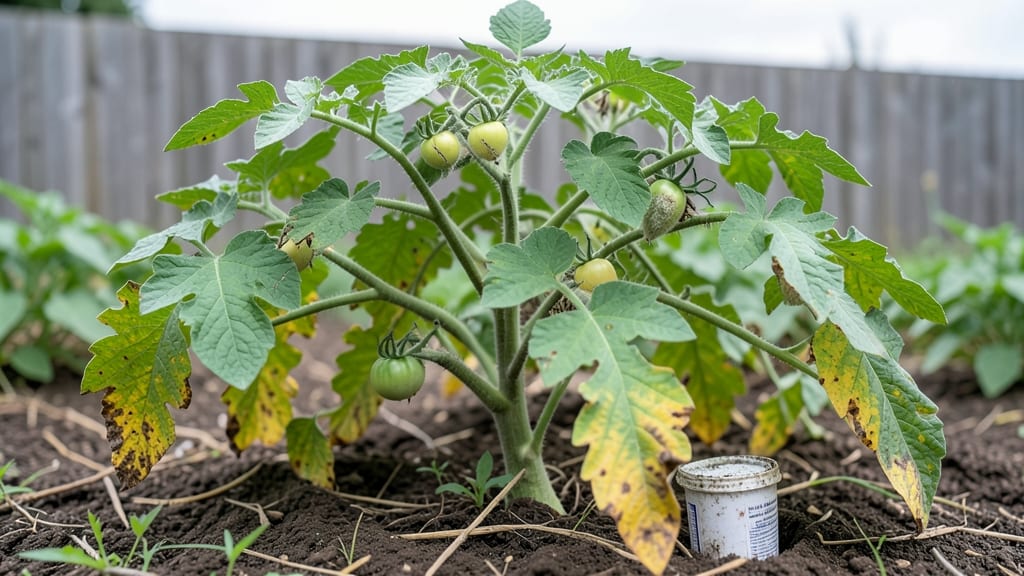
Plant problems don’t have to mean game over—my garden’s been saved more times than I can count by the right companion plants. 🌱 The key lies in pairing plants that naturally repel pests, share nutrients, or improve soil health, turning common issues like yellowing leaves or aphid swarms into easy fixes.
I’ve tested these combos for five seasons, and they work whether you’re dealing with wilting herbs or fungal spots.
Take my struggling tomatoes last summer—they kept getting blight until I planted basil nearby. That simple swap cut down on fungal spores by half. Or my roses, which used to attract every aphid in the county until I surrounded them with garlic chives.
These pairings aren’t just theory; they’re battle-tested shortcuts that save time, money, and sanity. The best part? You can start small—even a single marigold pot can deter pests from your entire veggie patch.
By the end of this, you’ll spot the early signs of trouble and know exactly which plants to bring in for a quick turnaround. No more guessing whether your leaves are yellow from overwatering or nutrient starvation—just reliable fixes that work in your yard, not just in a textbook.
Let’s get those plants thriving again, the smart way.
Whether you’re fighting off cabbage moths or reviving droopy lettuce, these companion plant pairings adapt to your specific issues. The secret’s in the right neighbors—let’s find yours.
Root Causes Of Plant Struggles
Understanding why your plants act up is half the battle—because once you know why, you can fix it fast. 🌱🔍 Most plant problems stem from a mix of environmental stress, biological interactions, or mismanaged care.
Below, we break down the top scientific reasons your plants might be wilting, yellowing, or failing to thrive—even when you’re doing your best.
Plants drown just as easily as they dehydrate, and overwatering is one of the fastest ways to kill them. When soil stays soggy, roots suffocate because they can’t access oxygen—a process called anoxia.
Without oxygen, roots rot (a condition called phytoftora or pythium), and the plant can’t absorb nutrients or water efficiently.
Why it happens:
- Compacted or clay-heavy soil traps excess moisture, preventing drainage.
- Lack of drainage holes in pots forces water to pool at the bottom.
- Overzealous watering (especially on a schedule) without checking soil moisture.
- Cold temperatures slow root activity, making plants more sensitive to waterlogged conditions.
Actionable fix: ✅ Use well-draining soil mixes (add perlite, vermiculite, or sand). ✅ Test soil moisture with your finger—if the top 1-2 inches are damp, wait. ✅ Repot in containers with drainage holes if using pots.
Plants are like athletes—they need the right nutrients to perform. When soil lacks essential elements, symptoms like yellowing leaves (chlorosis), stunted growth, or weak stems appear.
This often happens when: - Nutrients are leached away (common in sandy or frequently watered soil). - Soil pH is off (e.g., too acidic or alkaline, blocking nutrient uptake). - Companion plants are competing for the same resources (e.g., nitrogen-loving plants like corn outcompeting shallow-rooted herbs).
Key nutrients causing problems:
| Deficiency | Symptoms | Solution |
|---|---|---|
| Nitrogen (N) | Pale yellow leaves, slow growth | Add compost, fish emulsion, or blood meal |
| Phosphorus (P) | Purple stems, weak roots | Use bone meal or rock phosphate |
| Potassium (K) | Brown leaf edges, weak stems | Banana peel tea or greensand |
| Magnesium (Mg) | Yellow patches between leaf veins | Epsom salt (magnesium sulfate) spray |
Actionable fix: 💡 Test your soil with a DIY kit or lab test to identify deficiencies. 🌱 Rotate crops or use companion plants that fix nutrients (e.g., legumes for nitrogen). 🔄 Mulch to retain moisture and slowly release nutrients.
Plants aren’t just struggling from neglect—they’re often under silent attack from pests or pathogens.
Common culprits include: - Aphids, spider mites, or whiteflies (sap-sucking insects that weaken plants). - Fungal infections (like powdery mildew or root rot) thriving in humid, stagnant conditions. - Bacterial or viral diseases spread by contaminated tools, water, or infected companion plants.
Why it happens:
- Poor airflow (crowded plants or dense foliage) traps moisture, inviting fungus.
- Stressed plants (from drought, overwatering, or nutrient deficiency) are easier targets.
- Lack of beneficial predators (e.g., ladybugs, nematodes) to keep pests in check.
Actionable fix: 🛡️ Inspect leaves daily for holes, webbing, or discoloration. 🌿 Introduce pest-repelling companions (e.g., marigolds deter nematodes, basil wards off flies). 💦 Water in the morning to reduce humidity at night (fungus loves damp darkness).
Plants are sun-worshippers—but like humans, they can get a "sunburn" or fall into depression if conditions are off. Light stress causes:
- Bleached or crispy leaves (too much direct sun, especially for shade-loving plants).
- Leggy, pale growth (stretching toward light, a sign of etiolation).
- Slow or no flowering (plants need the right light spectrum to bloom).
Why it happens:
- Incorrect placement (e.g., succulents in deep shade or ferns in scorching sun).
- Glare or heat from windows (south-facing windows can act like a greenhouse).
- Artificial light spectrum (LED grow lights without full-spectrum bulbs can stunt growth).
Actionable fix: 🌞 Match plants to light zones (e.g., herbs like basil need 6+ hours of sun; ferns thrive in indirect light). 🔦 Use sheer curtains to diffuse harsh sunlight. 💡 Supplement with grow lights if natural light is insufficient (especially in winter).
Not all plant neighbors play nice. Some compete aggressively for resources, while others release chemicals (allelopathy) that inhibit growth.
For example: - Corn can smother nearby plants by shading them out. - Walnut trees release juglone, a toxin that stunts tomatoes and peppers. - Fennel releases chemicals that suppress growth in dill and other umbellifers.
Why it happens:
- Root competition (deep-rooted plants like sunflowers vs. shallow herbs).
- Chemical warfare (some plants, like black walnut, exude toxins).
- Disease cross-contamination (e.g., planting tomatoes near potatoes increases blight risk).
Actionable fix: 🌿 Group plants by family that thrive together (e.g., basil + tomatoes, carrots + onions). 🚫 Avoid toxic pairings (check companion plant guides before mixing). 🌱 Use raised beds or containers to separate aggressive roots.
Plants are sensitive to their environment—just like you’d shiver in a draft or wilt in a sauna, they react to temperature and humidity shifts.
Common signs: - Cold damage: Blackened leaves, mushy stems (from frost or sudden chills). - Heat stress: Drooping, curled leaves (a survival mechanism to reduce water loss). - Humidity imbalances: Mold on leaves (too humid) or crispy edges (too dry).
Why it happens:
- Drafts or AC vents create sudden temperature swings.
- Plastic pots can overheat in full sun, cooking roots.
- Low humidity (common indoors in winter) dries out leaves faster than outdoor plants can handle.
Actionable fix: ❄️ Move sensitive plants away from drafts, AC, or heaters. 🌡️ Use a thermometer/hygrometer to monitor conditions (ideal range: 65–75°F, 40–60% humidity). 💧 Mist leaves or use a pebble tray for humidity-loving plants (e.g., ferns, orchids).
Fixing Your Plants Naturally
When your plants show signs of stress, the good news is that many issues have simple, effective solutions—especially when using companion planting. Below, we’ve mapped common problems to their fixes, along with prevention tips to keep your garden thriving.
Problem: Plants compete for nutrients, water, and space, leading to stunted growth or disease.
How to Fix It:
- 🔪 Prune or Thin Out: Carefully remove overgrown or weak plants, leaving the healthiest ones with at least 12–18 inches of space (adjust based on plant type).
- 🌱 Add Mulch: Spread 2–3 inches of organic mulch (like straw or wood chips) to improve soil aeration and retain moisture.
- 💡 Companion Plant Swap: Pair root-heavy plants (like carrots or onions) with shallow-rooted companions (such as lettuce or radishes) to maximize space.
Prevention Tip: 🎯 Plan ahead! Before planting, sketch a layout to ensure each plant has enough room to grow.
Problem: Bugs like aphids, caterpillars, or spider mites can devastate your garden overnight.
How to Fix It:
- 👨🍳 Natural Repellents: Spray plants with a mix of 1 tsp dish soap + 1 quart water (test on a small leaf first) or use neem oil (1 tbsp per quart of water).
- 🌿 Companion Plant Allies: Plant marigolds (repel nematodes), basil (deters mosquitoes), or nasturtiums (lure aphids away from veggies).
- 🔥 Handpick or Trap: For larger pests (like tomato hornworms), pluck them off early in the morning when they’re sluggish.
Prevention Tip: 🌡️ Rotate crops yearly to disrupt pest life cycles and attract beneficial insects like ladybugs or lacewings.
Problem: Overwatering or underwatering can lead to root rot, wilting, or nutrient deficiencies.
How to Fix It:
- 🥘 Deep Watering: Water slowly and deeply (1–2 inches per week) at the base of plants, avoiding leaves to prevent fungal diseases.
- ⏰ Schedule Smartly: Water in the early morning (6–9 AM) to reduce evaporation and fungal risks.
- 💡 Soil Moisture Test: Stick your finger 1–2 inches into the soil—if it’s dry, it’s time to water.
Prevention Tip: ✨ Use drip irrigation or soaker hoses to deliver water directly to roots and conserve moisture.
Problem: Powdery mildew, black spot, or rust can spread quickly in humid conditions.
How to Fix It:
- 🌿 Improve Airflow: Space plants 3–4 feet apart and prune foliage to allow sunlight and air circulation.
- 🍳 Baking Soda Spray: Mix 1 tbsp baking soda + 1 quart water + a few drops of soap, then spray on leaves (test first).
- 🔥 Copper Fungicide: For severe cases, use an organic copper-based fungicide (follow label instructions).
Prevention Tip: 💪 Avoid overhead watering and remove infected leaves immediately to stop spread.
Pro Tip: 🌟 Keep a garden journal! Note which companion pairs work best in your climate and adjust as needed. Happy gardening!
Frequently asked questions about plant problems
Why do my plant leaves turn yellow even when I water them regularly?
Yellow leaves often signal overwatering or nutrient deficiencies. Check soil moisture—if it's soggy, roots may be drowning. For nutrients, test soil pH and add compost or Epsom salt for magnesium. Companion plants like clover can also enrich soil naturally.
How can I tell if my plant has pests or a disease?
Pests leave visible signs: aphids cluster on stems, spider mites create fine webbing, and holes in leaves mean caterpillars. Diseases appear as powdery white coatings (mildew), black spots (fungus), or mushy stems (rot). Always inspect undersides of leaves first.
What’s the best companion plant to deter common garden pests?
Marigolds are the ultimate pest repellent—they release chemicals that deter nematodes, aphids, and even rabbits. Basil near tomatoes wards off flies, while garlic chives keep aphids away from roses. For veggie gardens, nasturtiums lure pests away from your main crops.
Can I save a plant with root rot?
Early-stage root rot can be saved by pruning affected roots, repotting in fresh sterile soil, and reducing water. For severe cases, propagate healthy stems in water or soil. Prevent future rot by ensuring pots have drainage holes and watering only when topsoil is dry.
Why do some plants stop flowering even with plenty of sunlight?
Over-fertilizing with nitrogen (common in lawn fertilizers) promotes leafy growth but halts blooms. Use a balanced fertilizer (like 10-10-10) or switch to phosphorus-heavy options (bone meal) for flowering plants. Also check companion plants—some compete for nutrients.