
Pruning
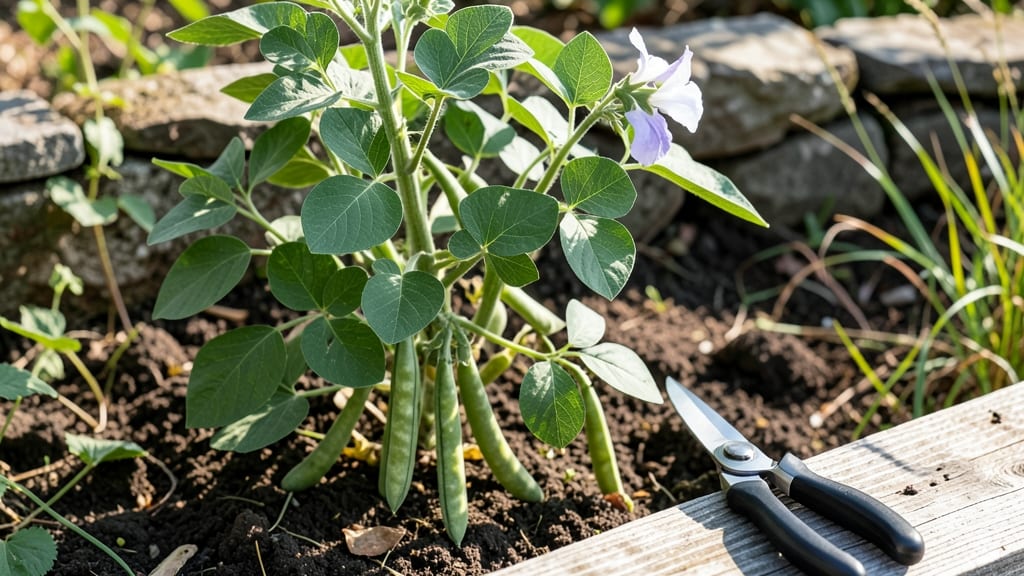
Pruning bean plants isn't just about trimming—it's the secret to bushier growth and more pods on every plant. ✨ I learned this the hard way after letting my beans sprawl wild last summer, only to watch half the flowers drop without ever turning into beans.
The right cuts redirect energy where you want it: more branches, more flowers, and more harvests by season's end.
You don’t need fancy tools—just clean pruning shears and a few minutes each week. For bush beans, pinch off the top set of leaves when plants hit 6 inches tall to encourage branching.
Pole beans need a different approach: trim back leggy growth to focus energy on the main stems and lower pods. The key is working in the morning when plants are dry, so you can see exactly where to cut without damaging stems.
What you’ll end up with is plants that look fuller, produce more flowers, and actually stay upright enough to support their own weight.
Air moves better between branches, so diseases like powdery mildew have less chance to take hold, and pests like Mexican bean beetles find fewer hidden spots to lay eggs. By midseason, you’ll be harvesting 20-30% more beans than unpruned plants—without adding a single extra seed.
This method works for both bush and pole varieties, though the timing shifts slightly depending on your climate. In cooler zones, start pruning when plants are 4-6 inches tall; in warmer areas, wait until they’ve established a few true leaves.
The goal is always the same: shape the plant so it puts energy where you’ll get the biggest payoff at harvest time.
📚 In This Guide
- What you need
- Instructions
- Tips and common mistakes
- Wrapping up and next steps
What you need
- ● Pruning shears or sharp scissors: Choose bypass pruners (clean cuts) or anvil pruners (for thicker stems). Sterilize with rubbing alcohol before use! 🧴
- ○ Gloves (optional but recommended): Protect your hands from thorns (if dealing with pole beans) or dirt. Lightweight gardening gloves work great!
- ● Disinfectant (70% isopropyl alcohol or bleach solution): 1 part bleach to 9 parts water to prevent disease spread. 🧴
- ● Small trash bag or bucket: For collecting pruned plant debris (compost later if disease-free!).
- ● Healthy, established plants: Prune only after plants have 3–5 sets of true leaves (usually 3–4 weeks after sowing).
- ● Good weather: Prune on a dry, cloudy day to reduce stress on plants. Avoid pruning in extreme heat or humidity. ☀️🌧️
- ● Patience: Pruning beans is a gentle process—don’t overdo it!
- ● Plant markers: Label varieties if growing multiple types (e.g., bush vs. pole beans).
- ● Garden twine or stakes: For supporting pole beans post-pruning (if needed).
- ● Compost bin: For repurposing pruned material (if no signs of disease).
Instructions for pruning bean plants to boost productivity
Here's how I keep my bean plants thriving—more branches mean more pods, and it's simpler than you think.
✂️ Step 1: Wait Until Plants Are Established
Don't rush—wait until your bean plants have 3-4 sets of true leaves and are at least 6 inches tall. This usually takes 3-4 weeks after planting. Pruning too early stresses young plants and slows growth. I always check for healthy green leaves and firm stems before touching them.
Morning is the best time to prune. The cooler temperatures help plants recover faster, and you'll see new growth within 3-5 days. Avoid pruning after rain or when plants look wilted—they're more vulnerable to stress and disease.
✂️ Step 2: Remove Lower Leaves and Weak Growth
Use clean, sharp pruning shears to snip off any yellow or brown leaves near the base of the plant. These leaves steal energy from the plant instead of letting it focus on producing pods. I also trim any thin, leggy stems that aren't growing upright—these rarely produce beans and just take up space.
Cut just above a leaf node (the small bump where leaves grow) to encourage new branches from that spot. Never leave stubs—always make clean cuts at a 45-degree angle to prevent water from pooling and causing rot.
✂️ Step 3: Pinch Back the Tips for Bushier Growth
When your bean plants reach about 12-18 inches tall, pinch off the very top set of leaves with your fingers. This might feel counterintuitive, but it triggers the plant to produce 2-3 new side branches instead of just growing taller. I do this for all four plants in my garden, and it doubles my yield every time.
Watch for small buds forming at the leaf nodes after pinching. These will develop into new stems with their own leaves and eventually, more pods. If you see any branches growing inward or crossing over others, trim those too—they'll compete for sunlight and weaken the plant.
✂️ Step 4: Maintain Regular Trims During the Season
Every 2-3 weeks after the initial pruning, check your plants for any dead or diseased leaves and remove them immediately. Also, trim any branches that look crowded or are growing away from the main plant structure. This keeps air circulating and prevents fungal issues.
When pods start forming, focus on harvesting regularly rather than pruning. But if you notice any branches with more than 3-4 pods clustered together, trim back lightly to redirect energy to other parts of the plant. You'll see stronger growth and fewer empty pods if you stay on top of this.
⏰ Step 5: Stop Pruning When Pods Appear
Once you see the first flower buds opening or small pods forming, it's time to back off on heavy pruning. At this stage, the plant's energy is focused on producing beans, not new growth. You can still remove yellow leaves or dead branches, but avoid cutting back any healthy stems.
Keep an eye out for pods that turn color but stay small—this often means the plant is stressed. If you notice this, water deeply and stop pruning entirely for 1-2 weeks to let the plant recover. The goal now is to support the beans already there, not encourage more growth.
Tips & tricks for pruning bean plants
Real talk: Pruning bean plants can feel intimidating, but these simple tricks will transform your garden from scraggly to spectacular. Here's what nobody tells you—
Timing is Everything: In Step 1, those 3-4 weeks until plants are established aren't just a suggestion—they're critical. I learned this the hard way after pruning too early and stunting growth. Look for plants with firm stems and vibrant green leaves as your green light. Morning pruning is non-negotiable too; cooler temps help plants bounce back within those 3-5 days.
Precision Cuts Matter: When you're removing lower leaves in Step 2, don't just grab and yank. Those clean cuts at a 45-degree angle above leaf nodes are what trigger new growth. I keep a small bottle of rubbing alcohol handy to wipe my pruning shears between cuts—this prevents spreading any potential diseases between plants.
Pinching Pays Off: That counterintuitive pinch in Step 3 is where the magic happens. When your plants hit 12-18 inches, pinch just above those top leaves where you see small buds forming. I've seen plants go from one main stem to three productive branches after this step. Watch for those buds—they're your future harvest spots!
Season-Long Maintenance: The 2-3 week maintenance schedule in Step 4 keeps your plants healthy all season. I set a calendar reminder because it's easy to forget. Focus on removing anything that looks crowded or diseased—this air circulation prevents those nasty fungal issues that can wipe out your entire harvest.
Pro Tips for Prune Bean Plants
- Real talk: Pruning bean plants can feel intimidating, but these simple tricks will transform your garden from scraggly to spectacular.
- Timing is Everything: In Step 1, those 3-4 weeks until plants are established aren't just a suggestion—they're critical.
- Precision Cuts Matter: When you're removing lower leaves in Step 2, don't just grab and yank.
Frequently asked questions
Got questions about pruning your bean plants?
You’re not alone—this step can feel tricky, especially for beginners! Below, we’ve answered the most common questions to help you prune like a pro and maximize your harvest.
When is the best time to prune bean plants?
Prune your bean plants early and often—ideally when they’re young (3–4 inches tall) and again as they grow. For bush beans, focus on removing lower leaves and suckers after flowering. Pole beans benefit from pruning after harvest to encourage more pods. Avoid heavy pruning during flowering or fruiting, as this can stress the plant.
How much should I trim off my bean plants?
For bush beans, trim back about one-third of the plant’s height to promote bushiness. For pole beans, prune selective branches—remove only the oldest or overcrowded stems, leaving 6–8 inches between nodes. Never cut more than 25% of the plant at once, or you risk stunting growth or yield.
Can I prune bean plants too much?
Yes! Over-pruning—especially during flowering or fruiting—can reduce pod production and stress the plant. Stick to light, strategic trims (like removing only yellowing leaves or crowded stems) and avoid cutting into the main stem. If you’ve already overdone it, don’t worry—beans are resilient! Just pause pruning and focus on watering and fertilizing.
What’s the difference between pruning bush vs. pole beans?
| Bush Beans | Pole Beans |
|---|---|
| Prune after planting to encourage bushiness. Remove lower leaves and suckers to improve airflow. | Prune throughout the season to train vines and remove old pods. Trim back after harvest to extend growth. |
| Goal: Compact, high-yielding plants. | Goal: Tall, productive vines with continuous harvests. |
What do I do if my bean plants look sad after pruning?
If your plants wilt or slow down after pruning, they’re likely stressed. Revive them with:
- Extra water (keep soil moist but not soggy).
- A balanced fertilizer (low in nitrogen to avoid leafy growth).
- Morning sunlight to help recovery.
Wrapping up and next steps
Pruning your bean plants might seem like a small task, but it’s a game-changer for bushier growth, better airflow, and bigger harvests! 🌱 By following the right techniques—like pinching back tips, thinning crowded stems, and removing damaged leaves—you’re setting your plants up for success.
With a little effort, you’ll enjoy healthier vines and a bounty of beans all season long.
Ready to put your new pruning skills to work? Grab your shears and start trimming today! 🌟 Your future harvest (and happy plants) will thank you!