
Pruning
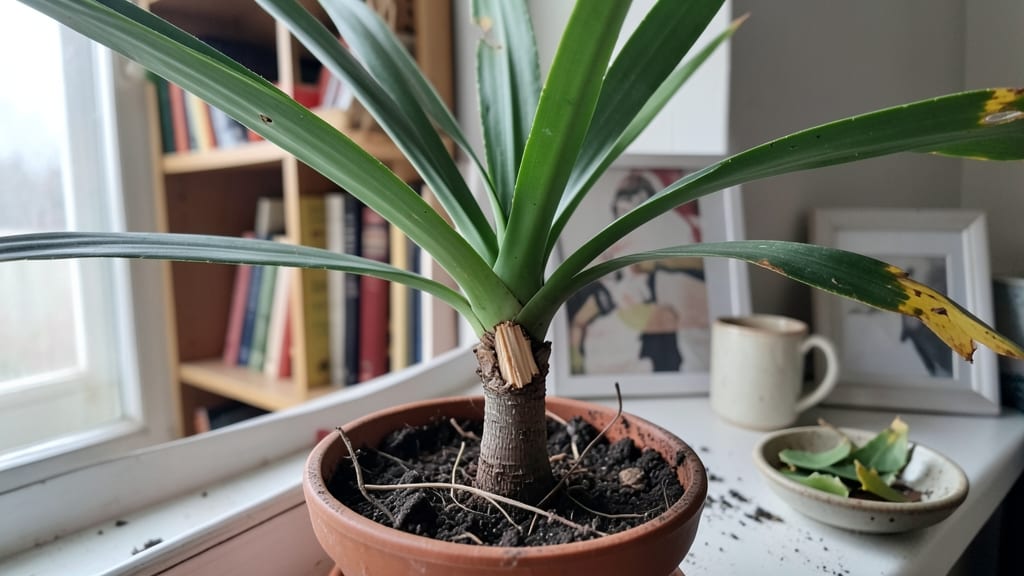
Pruning your ti plant transforms it from a scraggly mess into a year-round showstopper with bold foliage and perfect shape. 🌿 I’ve pruned mine three times a year—once for shape, once for growth, and once to revive tired stems—and the difference is shocking.
The key? Timing, sharp tools, and knowing exactly where to cut.
You’ll need clean pruners, rubbing alcohol for sterilizing, and a bucket for clippings. Skip the dull scissors—ti plants bleed sap, and jagged cuts slow healing. The best time to prune is early spring, mid-summer, and late fall, but if your plant looks leggy now, don’t wait.
Just avoid heavy pruning in winter when growth slows.
Start by removing dead or yellowing leaves at the base—no hesitation here. Then trim back overgrown stems by one-third to encourage bushier growth. For a polished look, cut just above a leaf node (that little bump where new leaves sprout).
Afterward, wipe the cuts with rubbing alcohol to prevent disease, and give your plant a drink of water.
Here’s the secret: pruned ti plants bounce back faster than you’d expect. Within weeks, you’ll see fresh, vibrant growth filling in gaps. The clippings even root easily in water if you want free plants for friends—or your own collection. Ready to give yours the makeover it deserves?
📚 In This Guide
- What you need
- Instructions
- Tips and common mistakes
- Wrapping up and next steps
What you need
- ● Pruning shears: Bypass pruners (sharp, clean, and sterilized with rubbing alcohol to prevent disease). *Avoid dull tools—they crush stems!
- ● Glove: One pair of gardening gloves (nitrile or leather) to protect from sap and thorns.
- ● Disinfectant: 70% isopropyl alcohol or a 10% bleach solution (1 part bleach to 9 parts water) for cleaning tools between cuts.
- ● Prune Ti Plant: Your healthy, mature plant (avoid trimming new growth—wait until stems are woodier and at least 12 inches tall).
- ● Container or tray: A shallow tray or newspaper to collect clippings (for composting or disposal).
- ○ Rooting hormone: Optional for propagating cuttings (choose a gel or powder labeled for tropical plants).
- ● Small trowel: For gentle soil disturbance if repotting after heavy pruning.
- ● Plant food: A balanced liquid fertilizer (e.g., 10-10-10) to nourish your Ti Plant post-trim.
- ● Spray bottle: With water to mist cut stems and encourage faster healing.
- ● Pruning guide: A ruler or measuring tape to ensure even cuts (especially for structured topiary).
Instructions for pruning your ti plant for year-round lushness
Here's how to keep your ti plant thriving with just three simple, strategic trims each year.
✂️ Step 1: Early Spring Growth Trim (Late February)
Start by examining your ti plant for any leggy stems or overcrowded growth. These are your targets—focus on stems that stretch too far or block light from reaching inner leaves. Using sharp, clean pruning shears, cut just above a leaf node where new growth will emerge. I always make my cuts at a 45-degree angle to prevent water from pooling on the stem.
Remove any dead or yellowing leaves completely at the base. This isn't just about looks—it redirects energy to fresh growth. After trimming, give your plant a light misting with water to reduce stress. You'll notice new shoots appearing within 2-3 weeks if conditions are right.
✂️ Step 2: Mid-Summer Maintenance Trim (July)
Wait until your ti plant has had 6-8 weeks of active growth after the spring trim before touching it again. In July, focus on shaping the plant and removing any stems that cross or rub against each other. These "competition stems" waste energy and create weak points where disease can enter.
For thicker stems, use your shears to make clean cuts. For thinner growth, pinch it off with your fingers just above a leaf node. After trimming, rotate the plant a quarter turn to ensure even light exposure. This step prevents lopsided growth and keeps your ti plant compact and full.
✂️ Step 3: Fall Cleanup Trim (October)
As temperatures drop and growth slows, perform your final trim of the year. Remove any remaining dead or damaged leaves and stems. Look for signs of pests or disease—prune those areas aggressively, cutting back to healthy tissue. This is also the time to shape the plant for winter dormancy.
Reduce watering slightly after this trim, but don't let the soil dry out completely. Your ti plant will enter a natural resting period, but keeping it slightly moist prevents shock. You'll see fresh growth resume in early spring, ready for another cycle of trimming and lushness.
⏰ Step 4: Year-Round Monitoring and Adjustments
Between your three main trims, keep an eye on your ti plant for any signs of stress. If you notice new growth appearing at unexpected times, it's a sign your plant is happy and ready for a light pruning. Simply pinch off any leggy stems or overcrowded growth to maintain shape.
I also recommend dusting the leaves with a damp cloth every few weeks—this keeps them from looking dull and helps them absorb more light. Your ti plant will reward you with vibrant, glossy foliage and a full, bushy appearance all year long.
Tips & tricks for perfect ti plant pruning
A few key strategies will help you transform your ti plant into a lush, year-round showstopper with minimal effort.
The Angle Matters: When you make those 45-degree cuts in Step 1, don't just guess—use your pruning shears to create a clean, angled cut just above the leaf node. This prevents water from pooling on the stem, which could lead to rot or disease. I've seen so many plants suffer from improper cuts that left water sitting on the stem after misting.
Timing is Everything: That 6-8 week waiting period between your spring and summer trims in Step 2 is crucial. Your ti plant needs time to establish new growth after the first trim. If you rush it, you'll be pruning tender new shoots instead of mature stems, which can stress the plant. Watch for fresh new leaves before touching it again.
Light Rotation Secret: After your summer trim, that quarter turn rotation in Step 2 isn't just about looks—it ensures all sides of your plant get equal light exposure. Ti plants grow toward the light, so without rotation, you'll end up with one lopsided giant and bare spots elsewhere. I rotate mine every time I water, and the difference in growth is night and day.
Winter Prep Tip: During your fall cleanup in Step 3, pay special attention to any stems that look weak or diseased. Cut back to healthy green tissue—don't leave any brown or mushy areas. This aggressive pruning might seem harsh, but it's what protects your plant during its winter dormancy. I've seen plants recover beautifully after this kind of thorough cleanup.
Pro Tips for Prune Ti Plant
- A few key strategies will help you transform your ti plant into a lush, year-round showstopper with minimal effort.
- The Angle Matters: When you make those 45-degree cuts in Step 1, don't just guess—use your pruning shears to create a clean, angled cut just above the leaf node.
- Timing is Everything: That 6-8 week waiting period between your spring and summer trims in Step 2 is crucial.
Frequently asked questions
Got questions about keeping your Prune Ti plant thriving with precision trims? You’re in the right place! Here are answers to the most common queries—from timing to troubleshooting—so you can master year-round lushness.
When is the best time to prune a Prune Ti plant?
Prune your Prune Ti plant three times a year: in early spring (to encourage new growth), mid-summer (to shape and control size), and late fall (for a cleaner look before winter). Avoid heavy pruning in winter, as growth slows down. Light trims for maintenance are fine year-round!
How much should I cut back during each trim?
For spring and fall, trim back 1/3 of the plant’s height to promote bushiness. In summer, focus on shaping—remove overly long stems or leggy growth. Never cut more than 30% of the plant at once, or you risk stressing it. Think of it like a haircut: gradual adjustments keep it healthy!
My Prune Ti looks sad after pruning—what went wrong?
If your plant looks too sparse or wilty, you may have pruned too aggressively or at the wrong time. To fix it:
- Give it bright, indirect light and consistent watering (keep soil lightly moist but not soggy).
- Avoid fertilizing for 4-6 weeks post-prune to let it recover.
- If stems are bare, it’s normal—new growth will sprout from the base!
Can I propagate my Prune Ti cuttings from pruning?
Prune Ti cuttings root easily in water or soil. For best results:
- Use 4-6 inch cuttings with at least 2-3 nodes.
- Place in water with a rooting hormone (optional) or moist potting mix.
- Keep in bright, indirect light and mist occasionally. Roots should form in 2-4 weeks!
Does Prune Ti need special care after pruning in extreme heat or cold?
Yes! In heat, prune early in the morning to avoid stress, and increase humidity (mist or use a pebble tray). In cold, wait until spring to prune—never trim in freezing temps. If your plant is dormant, a light trim in late winter (before new growth) is safe.
Wrapping up and next steps
Mastering the art of pruning your Prune Ti plant is all about timing, technique, and a little patience—just like nurturing any beloved green friend! 🌿 With three key trims a year, you’ll keep your plant thriving, encourage lush growth, and even shape it to your heart’s desire.
Whether you’re a seasoned gardener or just starting, every snip brings you closer to that showstopping foliage.
Ready to see your Prune Ti flourish? Grab those shears, mark your calendar, and give your plant the care it deserves—your future jungle will thank you! Next up: Share your pruning wins with the plant-loving community or experiment with propagation—new plants are always a bonus! 🌱