Pruning
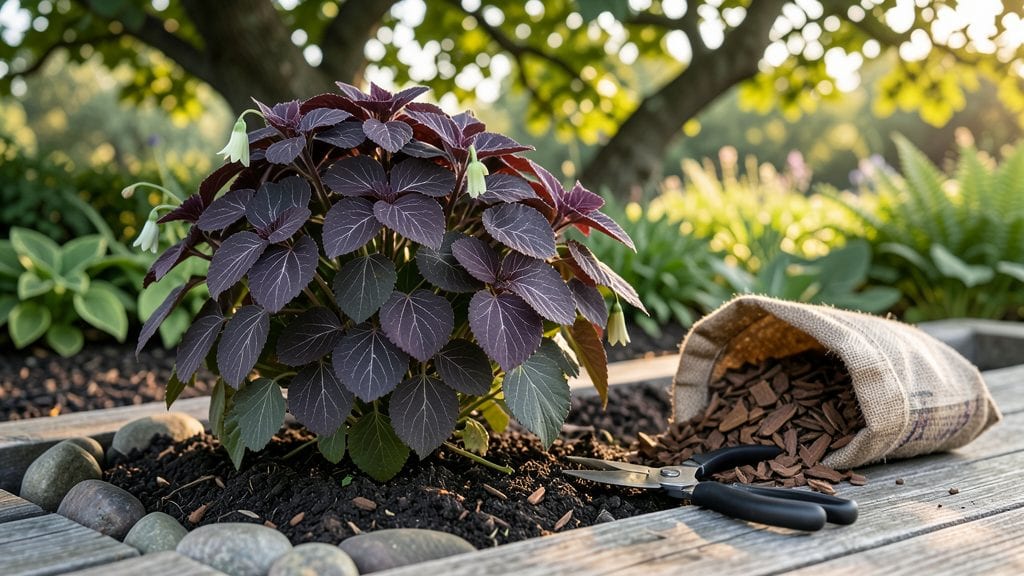
Pruning heuchera plants keeps those jewel-toned leaves looking fresh all year—it’s the secret to preventing leggy growth and encouraging bushier, more vibrant foliage. I’ve been growing heuchera for years, and the difference between a neglected clump and a showstopper comes down to three strategic cuts each season.
The first trim in early spring clears out winter damage, the second in midsummer controls sprawl, and the final one in late fall preps the plant for dormancy.
You’ll only need sharp pruning shears, a pair of gloves, and about 15 minutes of focused attention. The key is cutting just above the leaf nodes—those little bumps where new growth emerges—never into the bare stem.
This simple technique prevents unsightly scars and encourages the plant to put energy into fresh, colorful leaves instead of woody stems. Most gardeners overlook the late-fall trim, but it’s what keeps heuchera thriving through winter and spring.
After pruning, your heuchera will rebound with new growth within 2-3 weeks, and the foliage will stay compact and vibrant for months. The plants become more disease-resistant, too, since you’re removing dead leaves that could harbor fungus.
I’ve seen heuchera that looked sad and straggly transform into lush, multi-colored ground covers after just one season of proper pruning—it’s that powerful.
Works for all heuchera varieties, from classic burgundy to chartreuse or silver foliage, and adapts to container or garden beds. The same principles apply whether you’re dealing with a single plant or a whole border. Ready to give your heuchera the care it deserves?
📚 In This Guide
- What you need
- Instructions
- Tips and common mistakes
- Wrapping up and next steps
What you need
- ● Pruning shears: Bypass pruners (sharp, 5-7" blades) for clean cuts—1 pair (sterilized with 70% isopropyl alcohol).
- ● Hand pruners: Bypass or anvil type (for smaller stems) for precision—1 pair (sterilized).
- ● Gloves: Garden gloves (nitrile-coated for grip + protection) to shield hands from thorns or sap—1 pair.
- ● Disinfectant: 70% isopropyl alcohol or bleach solution (1 part bleach : 9 parts water) to sterilize tools—small spray bottle.
- ● Rake or garden fork: For clearing debris post-prune—1 unit.
- ○ Hose with nozzle: For rinsing tools/sap off hands—optional but refreshing!
- ● Compost bin: To recycle pruned foliage (unless diseased).
- ● Plant food: Balanced fertilizer (10-10-10) to nourish Heuchera post-prune—small bag.
- ● Mulch: Organic mulch (shredded bark) to retain moisture—1-2 bags.
Step-by-Step instructions for pruning heuchera plants
Here's the method I use to keep my heuchera looking vibrant all year—no guesswork, just precision.
Early Spring Cleanup for Fresh Growth
Start in early spring when new shoots emerge but before the foliage gets too dense. I wait until the soil warms to 50°F—that’s when heuchera wakes up from dormancy. Remove any dead or yellowed leaves first; they’ll smother new growth if left on the plant. Use clean, sharp pruners to cut just above the leaf base or where the stem meets the crown.
This first trim opens up the plant and lets light reach the center, which prevents those leggy stems from stretching toward the sun. I also snip off any flower stalks from the previous year—they’re spent and only take energy from the leaves. If you see any blackened or mushy stems, trim those off immediately to prevent disease from spreading.
Mid-Summer Maintenance for Shape and Health
About 6-8 weeks after the first trim, do a light maintenance cut to keep the plant tidy. Focus on removing any leaves that look ragged or overly large—they’re past their prime and won’t contribute much to the plant’s appearance. I look for leaves that are more than 50% brown or damaged and snip them at the base.
This is also the time to check for leggy growth. If stems are stretching too far apart, cut them back by one-third to encourage bushier, fuller foliage. Avoid cutting into the crown—heuchera doesn’t regrow from old wood, so always leave at least 1-2 inches of healthy stem above the base. A light dusting of fungicide after pruning can prevent any potential issues from open cuts.
Late Season Prep for Winter Dormancy
In late summer or early fall, when temperatures start dropping below 60°F at night, give your heuchera one final trim. Remove any remaining dead or dying leaves, but leave the healthy foliage intact—it helps protect the crown during winter. If the plant looks overly leggy, you can cut back the stems by half, but avoid heavy pruning too close to winter.
This final trim ensures the plant goes into dormancy clean and ready to rebound in spring. I like to add a 2-inch layer of mulch around the base after pruning to insulate the roots. Avoid pruning too late in the season—you don’t want new growth starting that could get damaged by frost. If you live in a colder climate, wait until after the first frost to do this last trim.
Tips & tricks for pruning heuchera plants
These precision-focused tips will help you maintain vibrant heuchera plants all year without over-pruning or damaging the crown.
Timing is Everything: The 50°F soil temperature threshold in early spring is crucial because it signals when heuchera emerges from dormancy. I've learned the hard way that pruning too early can damage tender new growth. Wait until you see those first fresh shoots pushing through the soil—usually when daytime temperatures consistently reach the mid-50s. This timing ensures you're cutting back only the old, dead foliage while preserving new energy.
Tool Selection Matters: Using clean, sharp pruners is non-negotiable for heuchera maintenance. Dull tools crush stems instead of making clean cuts, which can lead to disease entry points. I keep a dedicated pair of pruners just for my heuchera collection and sterilize them with rubbing alcohol between plants. For the mid-summer maintenance, I also use small hand pruners to reach the center leaves without damaging the surrounding foliage.
Visual Cues for Pruning: When deciding which leaves to remove in Step 2, focus on leaves that are more than 50% brown or damaged—these are the ones that won't recover. I look for leaves that have lost their vibrant color and have dry, crispy edges. For leggy stems, imagine dividing the stem into thirds and cutting back to the first third. This visual approach helps maintain the plant's natural shape while encouraging bushier growth.
Seasonal Considerations: The 60°F nighttime temperature threshold in late summer is your cue for final pruning. In colder climates, wait until after the first frost to do this last trim—new growth after pruning can be vulnerable to frost damage. I've found that adding a 2-inch layer of mulch after the final trim provides excellent insulation for the roots during winter dormancy, which helps protect against temperature fluctuations.
Pro Tips for Pruning Heuchera Plants
- These precision-focused tips will help you maintain vibrant heuchera plants all year without over-pruning or damaging the crown.
- Timing is Everything: The 50°F soil temperature threshold in early spring is crucial because it signals when heuchera emerges from dormancy.
- Tool Selection Matters: Using clean, sharp pruners is non-negotiable for heuchera maintenance.
Frequently asked questions
Got questions about pruning your Heuchera? You’re not alone!
Here are the most common concerns—plus expert answers to keep your coral bells thriving year-round.
When is the best time to prune Heuchera?
Prune Heuchera in early spring (just as new growth emerges) and late summer (after flowering) to encourage bushiness. A light trim in fall removes dead foliage, but avoid heavy cuts—this tender perennial prefers minimal winter pruning.
How much can I cut back Heuchera without harming it?
Never remove more than 1/3 of the plant in a single session. For mature plants, trim 3–6 inches above the base to stimulate fresh growth. Over-pruning can stress Heuchera, so err on the side of caution—especially with slow-growing varieties.
My Heuchera leaves are turning brown—did I prune too much?
Brown leaves after pruning usually mean stress or disease. If the damage is localized, trim affected areas below the browning with sterilized shears. If the whole plant looks sad, it might need more sunlight or better drainage. Avoid pruning if leaves are mushy (fungus risk!).
Can I prune Heuchera in winter?
Light winter pruning (removing only dead or damaged foliage) is fine, but avoid heavy cuts. Heuchera goes semi-dormant in cold climates—pruning stimulates growth, which can weaken the plant. Wait until spring for major reshaping.
Do I need to fertilize after pruning?
Yes! Feed with a balanced, water-soluble fertilizer (10-10-10) or compost tea 2–3 weeks post-prune to support regrowth. Avoid high-nitrogen fertilizers—they promote leafy growth at the expense of vibrant foliage. Heuchera thrives on moderation!
Wrapping up and next steps
Pruning your heuchera plants doesn’t have to be daunting—with the right timing and techniques, you’ll unlock stunning foliage and healthier growth all year long! 🌿 Whether you’re tackling early spring cleanup, mid-summer shaping, or late-winter maintenance, these three precision trims ensure your plants stay vibrant and thriving.
Now that you’re armed with the know-how, grab those shears and give your garden the TLC it deserves.
Ready to level up your gardening game? Start by scheduling your next trim—your heuchera will thank you with bold, lush colors that steal the show! 🌈