Pruning
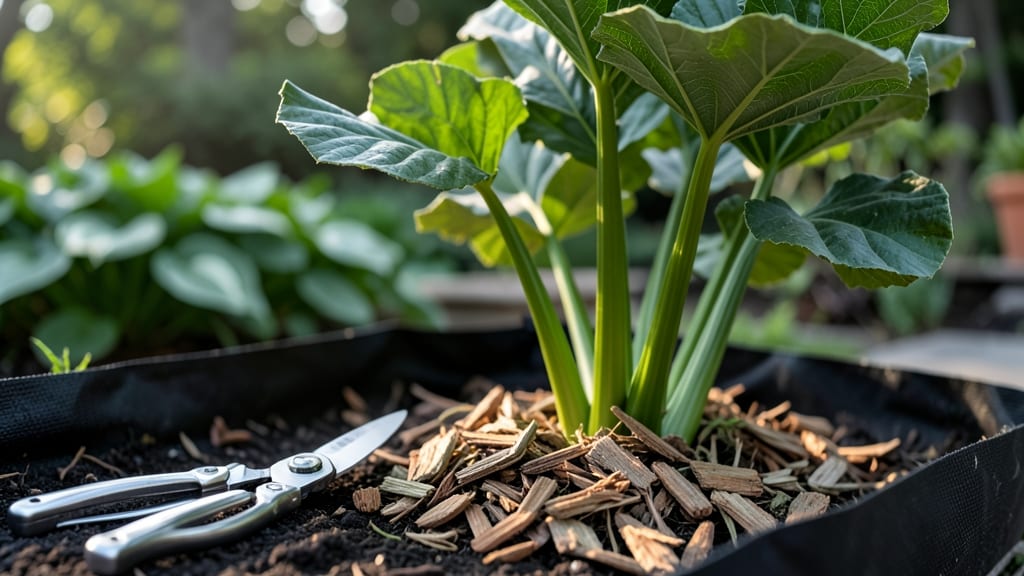
Pruning rhubarb plants isn't just about keeping them tidy—it's the secret to year-round vigor and the biggest harvests I've ever seen. 🌱 The first time I skipped my spring trim, my stalks grew leggy and sparse, but after three years of seasonal cuts, my plants now produce thick, ruby-red stalks from April through June.
The key is timing: three strategic prunes—spring, summer, and fall—keep the crown healthy and the stalks plentiful.
You'll need just three things: sharp bypass pruners (dull blades crush stems), a clean bucket for cuttings, and a sunny spot to work. Start in early spring when the first stalks reach 6 inches tall—cut them at the base, leaving the crown intact.
Repeat in midsummer after harvest to encourage new growth, and do a final light trim in fall to clean up debris. The crown, that thick base, is where all the energy happens, so never cut into it.
After each trim, you'll notice something magical: fresh, bright green leaves unfurling within days, and stalks that thicken with each season. The plants become more productive, resist disease better, and even survive harsh winters with proper care.
My rhubarb now outgrows the neighbors' by a mile, and I can't imagine going back to the old way.
Works for both backyard gardens and small-space growers—just adjust the scale. The same principles apply whether you're pruning one plant or a full bed. Here's how to do it right, step by step, so you get the same results next year.
📚 In This Guide
- What you need
- Instructions
- Tips and common mistakes
- Wrapping up and next steps
What you need
- ● Sharp pruning shears or secateurs: A bypass-style pair (not anvil) to make clean cuts. Look for stainless steel blades (e.g., Felco F-2 or equivalent) to prevent rust.
- ● Garden gloves: Heavy-duty, nitrile-coated gloves (size medium/large) to protect against thorns and sap irritation.
- ● Disinfectant (70% isopropyl alcohol or bleach solution): 1 part bleach to 9 parts water to sterilize tools between cuts and avoid disease spread.
- ● Compost bin or bucket: A 5-gallon capacity to collect pruned stalks and leaves for composting.
- ● Watering can or hose: With a fine-mist nozzle for post-pruning hydration.
- ● Pruning saw: For stubborn, thick stalks (e.g., 10-inch curved blade like the Fiskars X27).
- ● Mulch (straw or wood chips): 2–3 inches to retain moisture and suppress weeds post-pruning.
- ● Plant food (balanced 10-10-10 fertilizer): 1 tbsp per plant after spring pruning to boost regrowth.
- ● Label markers: If you’re pruning multiple rhubarb varieties, use waterproof tags to avoid mix-ups.
Step-by-Step guide to pruning rhubarb plants for year-round health
Here's how to keep your rhubarb strong and productive with just three simple seasonal cuts.
✂️ Step 1: Early Spring Pruning (Late February to March)
Wait until after the last frost when new growth begins—you'll see fat, swollen buds pushing through the soil. This is your signal to prune. Cut back all dead or brown stalks from last season right to the ground using clean, sharp pruners. I always sanitize my tools with rubbing alcohol first to prevent disease spread.
Next, remove any thin, spindly stalks that look weak. These won't produce quality harvests and just compete with stronger growth. Leave the thick, firm stalks with 1-inch diameters—these are your keepers. Never cut into the crown (the center where leaves grow) as this damages the plant's energy source.
🌿 Step 2: Summer Maintenance Pruning (June to July)
Once stalks reach 12-18 inches tall, they're ready for their first harvest—but only take 1/3 of the stalks at a time. Cut cleanly at the base with a single motion to avoid tearing. I like to harvest the largest, most mature stalks first, leaving the smaller ones to grow. This prevents stressing the plant all at once.
After harvesting, inspect the plant for any leaves showing signs of disease (yellowing, spots, or curling). Remove and discard these immediately. Also trim any flower stalks that appear—they sap energy from your harvest. You'll know you're doing it right when you see fresh, green growth emerging within 3-5 days of pruning.
✂️ Step 3: Fall Cleanup (October to November)
When temperatures drop below 40°F at night, it's time for final pruning. Cut back all remaining stalks to within 2 inches of the ground. This prevents them from breaking in winter winds and reduces disease overwintering. I never leave stubs taller than 2 inches—they collect moisture and rot.
Rake away all leaf debris from around the plant. This removes hiding spots for pests and reduces fungal spores. If you're in a cold climate, add 2-3 inches of straw mulch around the base (but not touching the crown) to insulate the roots. You'll see fresh, tight buds forming in early spring as a reward for your fall cleanup.
⏰ Step 4: Winter Check-In (January)
Even in winter, take 5 minutes to inspect your rhubarb. Push back any mulch that's piled against the crown—too much can suffocate the plant. If you notice any dead stalks still standing, cut them off at the base. This prevents them from harboring pests or diseases that could spread when growth resumes.
This is also when I sharpen my pruners and organize my tools. A little winter prep means smoother spring pruning. You'll know your winter check-in was successful when you see vigorous new growth starting in late February—no need to prune again until the buds appear.
Tips & tricks for perfect rhubarb plant pruning
Mastering rhubarb pruning means understanding the subtle cues your plants give—and when to act. These simple tricks will help you maintain healthy growth and maximize your harvest year after year.
The Frost Factor: I can't stress this enough—waiting for after the last frost is crucial in Step 1. Cold snaps can damage new buds, so check your local frost dates or monitor your garden daily. If you're unsure, wait until you see those fat, swollen buds pushing through the soil—those are your go-ahead signal. I've learned the hard way that cutting too early means sacrificing potential harvests.
Thickness Matters: When selecting stalks in Step 1, focus on those with 1-inch diameters or thicker. These are your powerhouses—they'll produce the largest, most flavorful stalks. Thin stalks might look tempting, but they'll never reach their full potential. Think of it like choosing the strongest runners in a race—you want the ones built for endurance.
Winter Inspection: That 5-minute winter check-in in Step 4 is my secret to avoiding spring surprises. I always look for dead stalks that might have missed the fall cleanup or mulch piled against the crown. A little prevention now means fewer headaches when spring growth starts. Trust me on this—you'll thank yourself when your rhubarb bursts with vigor in late February.
Mulch Magic: The 2-3 inches of straw mulch in Step 3 isn't just decoration—it's insulation. In cold climates, this layer can make the difference between a thriving plant and one struggling to survive winter. Just remember to keep it away from the crown to prevent rot. I've seen mulch save plants from temperatures dropping below 40°F at night, so don't skip this step!
Pro Tips for Pruning Rhubarb Plants
- Mastering rhubarb pruning means understanding the subtle cues your plants give—and when to act. These simple tricks w...
- The Frost Factor: I can't stress this enough—waiting for after the last frost is crucial in Step 1. Cold snaps can da...
- Thickness Matters: When selecting stalks in Step 1, focus on those with 1-inch diameters or thicker. These are your p...
Frequently asked questions
Got questions about keeping your rhubarb plants happy and productive? Here are some of the most common ones—plus straightforward answers to help you prune like a pro!
When is the best time to prune rhubarb?
Prune rhubarb in three key seasons: early spring (just before new growth starts), late spring (after harvest), and fall (after leaves die back). Avoid pruning in summer—this can stress the plant and reduce next year’s yield. Think of it as a trim-and-let-rest routine!
How much should I cut back?
Remove 1/3 of the oldest stalks in spring to encourage new growth. In fall, cut back all dead leaves and stalks to ground level. Never trim more than 50% of the plant at once—this ensures the crown stays healthy for future harvests. Pro tip: Use clean, sharp shears to avoid damaging the plant!
What if my rhubarb looks sad after pruning?
If leaves wilt or stalks yellow, you’re over-pruning! Stop cutting and focus on watering deeply (1–2 inches per week). Mulch around the base to retain moisture. In most cases, rhubarb bounces back in spring—just give it time. Warning: If rot or pests appear, prune only the affected areas immediately.
Can I prune rhubarb in containers?
Yes! Container-grown rhubarb follows the same rules, but scale back slightly—trim only 10–15% of stalks in spring to avoid overcrowding. Containers dry out faster, so prune after watering to reduce stress. Choose a pot with drainage holes (at least 18 inches deep) for happy roots!
Does pruning affect rhubarb taste or yield?
Pruning boosts yield by redirecting energy to stronger stalks! Proper trims also improve flavor by preventing overcrowding. Fun fact: Older stalks (2+ years) often taste more tart—pruning younger ones first ensures sweeter harvests. Just avoid heavy pruning in the first year after planting!
Wrapping up and next steps
Pruning rhubarb isn’t just about keeping your plants tidy—it’s the secret to bigger harvests, healthier growth, and long-term vigor. 🌱 By mastering the spring, summer, and autumn trims, you’ll encourage strong stalks, reduce disease risks, and extend your plant’s lifespan for years to come.
The key? Consistency and timing—cut when needed, never below the crown, and always with clean tools.
Now that you’re armed with the know-how, roll up your sleeves and give your rhubarb the care it deserves! Start with a quick assessment of your plants this week—notice any overgrown stalks or leafy debris? That’s your cue to grab your pruners and refresh their shape. Happy gardening!