
Diseases
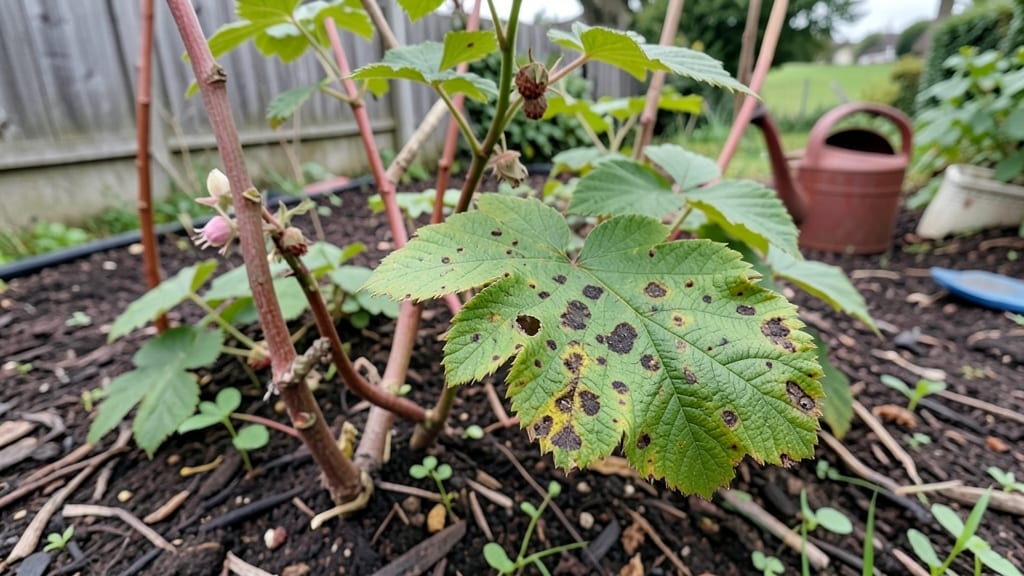
Spotting raspberry plant diseases early can save your entire harvest before the first berry ripens. 🌱 I’ve watched entire canes collapse from fungal infections in just two weeks—until I learned to recognize the subtle signs that most gardeners miss.
The key is knowing what to look for: dark spots on leaves, fuzzy growths, or stems that ooze when cut. These aren’t just aesthetic problems; they’re silent harvest killers.
The worst offenders—like cane blight and gray mold—thrive in damp, shaded conditions, but even the hardiest varieties succumb without quick action. I’ve treated overgrown patches using a mix of copper sprays, pruning infected canes at the base, and spacing plants for airflow.
The good news? Most fungal diseases respond within 7–10 days if you catch them early and act decisively. No more guessing whether to prune or spray—just clear steps that work.
By the end of this guide, you’ll spot diseases before they spread and treat them fast enough to protect your plants—and your patience. We’re talking lush, productive canes by summer, with fewer wasted seasons spent pulling up dead plants.
The secret isn’t complicated; it’s about timing, tools, and knowing exactly what to do when you see the first warning sign.
Whether you’re dealing with a single infected plant or a full patch, these methods scale from backyard gardens to commercial rows. Let’s turn those early warnings into a plan of attack—before the fungi do.
Root Causes Behind Raspberry Ailments
Raspberry plants, like all living things, are vulnerable to diseases—but understanding why these issues arise is the first step to prevention and recovery. Fungal infections, bacterial rot, and viral invasions don’t strike randomly; they exploit weaknesses in your plants’ defenses.
Below, we break down the key triggers behind raspberry plant diseases, from environmental stressors to cultural mistakes, so you can address the root of the problem.
Fungi thrive in damp, humid conditions, and raspberries—especially their lush canes and dense foliage—create the perfect microclimate for spores to spread. Here’s how moisture becomes a villain:
- Overhead Watering 💦 Water droplets lingering on leaves create a film that fungal spores (like Phytophthora or Botrytis) can latch onto. Unlike roots, leaves aren’t designed to handle prolonged wetness, making them prime targets for infection.
- Poor Drainage 🌧️ Heavy clay soil or compacted beds trap excess water, suffocating roots and inviting Phytophthora root rot. Even well-draining soil can fail if mulch is piled too thickly against the stem, blocking airflow and trapping moisture.
- High Humidity 🌡️ Fungal spores germinate faster in humid air (above 75% relative humidity). Raspberries in shaded or enclosed spaces (like greenhouses) are especially at risk during warm, muggy nights.
Pro Tip: 💡 Aim for early-morning watering (before 10 AM) to let foliage dry by evening. Use drip irrigation or soaker hoses to avoid wetting leaves, and space plants 3–4 feet apart for airflow.
Healthy raspberry plants resist diseases better, but stress—whether from nutrient deficiencies, pests, or physical damage—opens the door for pathogens. Here’s how it happens:
- Nitrogen Deficiency 🌱 Yellowing leaves (chlorosis) signal low nitrogen, weakening the plant’s immune response. Fungi like Didymella applanata (a cause of cane spot) exploit this weakness, entering through damaged tissue.
- Pest Damage 🐜 Spider mites, aphids, or raspberry beetles create wounds when they feed. These openings let Botrytis cinerea (gray mold) or Verticillium wilt fungi invade, turning minor bites into major infections.
- Physical Injury ⚔️ Pruning cuts, hail, or even vigorous wind can break the plant’s protective skin. If tools aren’t sterilized (or pruning is done during wet weather), spores hitchhike into fresh wounds.
Pro Tip: 🌡️ Test soil pH (ideal: 5.5–6.5) and fertilize with balanced NPK (e.g., 10-10-10) in early spring. Neem oil applied post-pruning can deter pests and seal minor wounds.
Fungal spores are persistent—they survive in soil, mulch, and even on garden tools for years. Here’s how they hitch rides to your raspberries:
| Source | How It Spreads | Example Disease |
|---|---|---|
| Old Mulch 🍂 | Infected leaves or straw harbor Botrytis spores, which release when new canes emerge. | Gray Mold |
| Unsterilized Pruners ⚔️ | Cutting infected canes transfers Phytophthora to healthy stems. | Root Rot |
| Reused Compost 🌿 | Decomposing plant debris may contain Verticillium or Fusarium spores. | Wilt Diseases |
Pro Tip: ✨ Sterilize pruners with 70% isopropyl alcohol or bleach solution (1 part bleach to 9 parts water) between cuts. Replace mulch annually or bake it at 180°F (82°C) for 30 minutes to kill spores.
Fungi and bacteria don’t just wait—they time their attacks. These weather conditions create perfect storm scenarios:
- Cool, Wet Springs 🌧️🌡️ Temperatures between 60–75°F (15–24°C) with frequent rain or morning dew encourage Didymella (cane spot) and Phomopsis (fruit rot) to spore and infect.
- Hot, Humid Summers 🔥💨 Stagnant air during heatwaves stresses plants, while high humidity (above 80%) lets Botrytis spread rapidly on ripe fruit or damaged leaves.
- Late-Season Rain 🌊 Overripe raspberries soaked by autumn rains become breeding grounds for Botrytis, turning berries to mush and infecting next year’s canes.
Pro Tip: 🎯 Monitor local fungal forecast models (like those from the Cornell Plant Disease Clinic). If rain is predicted, apply copper fungicide preventatively.
Quick Fixes for Raspberry Plant Ailments
When your raspberry plants show signs of distress, acting fast can mean the difference between a thriving harvest and lost crops. Below are practical, step-by-step solutions tailored to the most common fungal diseases affecting raspberries—plus prevention tips to keep your plants healthy long-term.
Cause: White, powdery fungus coating leaves (often in humid, shaded spots). Fix: 🔥 Remove Infected Leaves – Prune heavily affected foliage with sterilized shears and dispose of it in the trash (not compost). 🍳 Homemade Spray – Mix 1 tsp baking soda + 1 tbsp vegetable oil + 1 tsp dish soap per gallon of water. Spray early morning (avoid direct sunlight) every 7–10 days. 👨🍳 Fungicide Boost – For severe cases, use neem oil (2%) or sulfur-based sprays (follow label instructions). 🥘 Improve Airflow – Thin out canes and space plants 2–3 feet apart. Avoid overhead watering.
💡 Pro Tip: Resistant Varieties like ‘Boyne’ or ‘Heritage’ tolerate powdery mildew better. Plant them if recurring issues persist.
Cause: Gray mold on fruit, canes, and leaves (worst in wet, cool weather). Fix: 🔪 Prune Aggressively – Cut out mummified fruit (dried, gray berries) and infected canes below the infection with a 70% alcohol-sterilized tool. ⏰ Water Wisely – Water early morning (let foliage dry by evening). Use drip irrigation to avoid wetting leaves. 🌡️ Fungicide Rotation – Alternate between copper fungicide and potassium bicarbonate spray every 2 weeks. ✨ Solarize Soil – In fall, cover garden beds with clear plastic for 4–6 weeks to kill fungal spores in the soil.
💡 Pro Tip: Remove fallen leaves from the base of plants—they’re a breeding ground for spores!
Cause: Waterlogged soil leads to black, mushy roots and wilting canes. Fix: 💧 Fix Drainage – Amend soil with compost + perlite to improve aeration. Raise beds if soil stays soggy. 🧼 Sterilize Tools & Soil – Solarize soil (as above) or apply hydrogen peroxide (3%) to roots before replanting. 🌱 Replace Infected Plants – If roots are severely rotted, remove the plant entirely and replant in fresh, sterilized soil. 🚫 Avoid Overwatering – Stick to 1–1.5 inches of water per week (check soil moisture with your finger).
💡 Pro Tip: Mulch with straw (not wood chips) to prevent soil splash onto stems.
Cause: Dark, sunken spots on leaves, canes, and fruit (spreads via rain and tools). Fix: 🔥 Burn or Bag Infected Debris – Do not compost—burn or trash heavily infected plant material. 🍳 Copper Fungicide – Spray every 10–14 days starting at bud break (use copper hydroxide for organic gardens). 👨🍳 Sanitize Everything – Clean pruners with bleach (1:10 ratio) between cuts. Disinfect trellises annually. 🥘 Plant Spacing – Keep canes 3–4 feet apart to improve airflow and reduce humidity.
💡 Pro Tip: Rotate crops—don’t plant raspberries in the same spot for 3+ years to break the disease cycle.
Cause: Dark, sunken lesions on canes (often from splashing water). Fix: 🔪 Prune Early – Remove infected canes in late winter/early spring before new growth starts. 🍳 Bordeaux Mixture – Spray dormant canes (before buds swell) with 1% Bordeaux mix for prevention. 🌱 Succession Planting – Replace heavily infected patches with resistant varieties like ‘Nova’ or ‘Dorman Red.’
💡 Pro Tip: Avoid summer pruning—it stresses plants and opens wounds for infection.
Cause: Orange-yellow pustules on undersides of leaves (weakens plant over time). Fix: 🍄 Rake & Remove Leaves – Clean up all fallen leaves in autumn to starve the fungus. 🌱 Crop Rotation – Avoid planting raspberries in the same bed for at least 2 years. 💪 Strengthen Plants – Feed with balanced fertilizer (10-10-10) in early spring to boost resistance.
💡 Pro Tip: Plant ‘Heritage’ or ‘Willamette’ varieties—they’re naturally more rust-resistant.
Even after treating diseases, prevention saves time and frustration.
Follow these year-round habits: - Test soil pH (ideal: 5.5–6.5)—adjust with lime or sulfur as needed. - Mulch with straw (not wood chips) to prevent soil-borne spores from splashing. - Plant in full sun (6+ hours/day) to reduce humidity around plants. - Monitor weekly – Catch early signs (yellowing, spots) before they spread.
🎯 Final Pro Tip: Healthy soil = healthy plants! Add compost and mycorrhizal fungi to strengthen roots naturally.
By tackling diseases early and methodically, your raspberry plants can bounce back stronger. Prevention is your best tool—stay vigilant, and you’ll enjoy bountiful harvests for years! 🌱🍓
Frequently asked questions
What are the first signs of raspberry plant diseases I should watch for?
Start with leaf discoloration (yellowing, brown spots) or fuzzy growths on stems—common early warnings. Check for mushy fruit or dark lesions on canes, too. These often signal fungal infections like gray mold or cane blight before they spread. Act within 3–5 days of spotting these signs for best results.
Can I save a raspberry plant already showing severe disease symptoms?
It depends on the disease. For root rot, remove the plant entirely and sterilize the soil. With powdery mildew or rust, aggressive pruning + fungicide (copper-based) can revive plants if caught early. However, if 50%+ of canes are infected, replacement may be more practical.
How often should I spray fungicides on my raspberries?
Apply preventative sprays every 10–14 days during growing season (spring to fall). For active infections, increase to 7–10 days until symptoms disappear. Rotate between copper fungicide and potassium bicarbonate to prevent resistance. Always spray early morning for best coverage.
Are there organic alternatives to chemical fungicides?
Yes! Try a baking soda spray (1 tsp baking soda + 1 tbsp oil + 1 tsp soap per gallon of water) for powdery mildew. Neem oil (2%) works for gray mold and rust. For root rot, use hydrogen peroxide (3%) on soil. Just apply these every 5–7 days during outbreaks.
Why do my raspberries keep getting the same disease year after year?
This usually means fungal spores survived in soil or mulch from last season. Break the cycle by rotating crops (don’t replant raspberries in the same spot for 3+ years) and solarizing soil (covering beds with plastic for 4–6 weeks in summer). Also sterilize tools and remove all plant debris.