
Planting
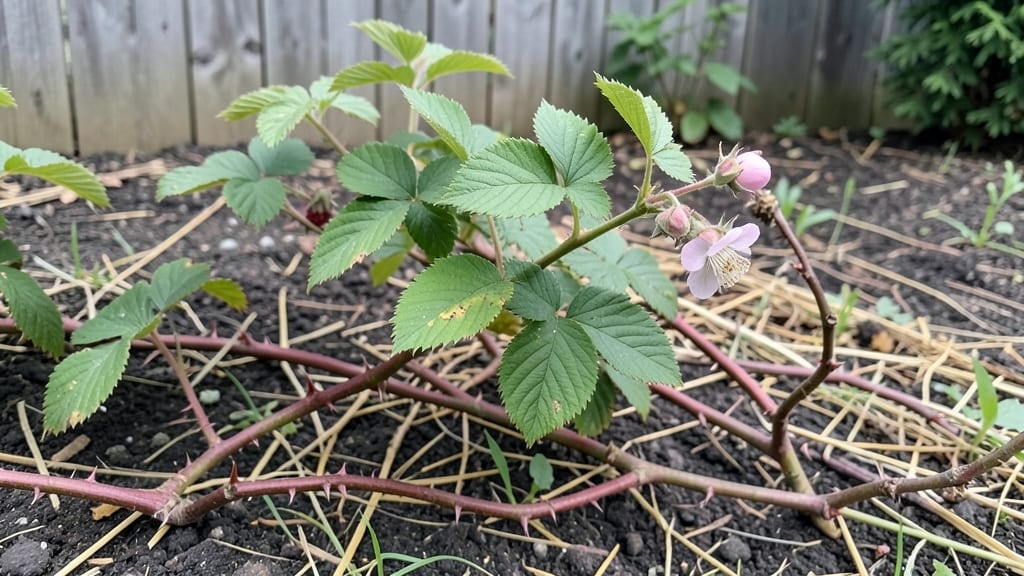
Those raspberry plant flowers aren't just pretty—they're the secret to your biggest harvest yet. 🌿 I've learned the hard way that healthy blooms mean more berries, and the key lies in understanding what those flowers really need to thrive.
The first step is recognizing the difference between primocanes (this year's growth) and floricanes (last year's fruiting stems), because you prune them differently—and getting that wrong means fewer flowers next season.
Sunlight and water are non-negotiable. Raspberry flowers need at least 6-8 hours of full sun daily, and consistent moisture without soggy roots. I once saw a friend's entire crop fail because he watered only when the soil felt dry—raspberries need 1-2 inches of water per week, especially during bloom.
Organic fertilizer with a balanced NPK ratio (like 10-10-10) applied in early spring gives them the energy to produce strong flower clusters, while too much nitrogen makes them leafy but fruitless.
What you'll end up with is a bush covered in those delicate white and pink blossoms that transform into sweet, juicy berries. The flowers themselves are edible—use them in salads or syrups—but their real magic is in the fruit they produce.
When you get this right, you'll harvest pounds of berries instead of just a few scattered ones. Here's how to make those flowers work harder for you.
This works for both summer-bearing and fall-bearing varieties, though timing matters. Summer-bearing types flower on second-year canes, while fall-bearing types produce on current season growth—knowing which you have changes everything. Let's get those blooms set up for success.
📚 In This Guide
- What you need
- Instructions
- Tips and common mistakes
- Wrapping up and next steps
What you need
- ● Raspberry plant (cane): Choose a healthy, disease-free raspberry variety (e.g., Rubus idaeus—summer-bearing or fall-bearing). Pro tip: 💡 Buy bare-root plants in early spring or container-grown plants year-round.
- ● Well-draining soil: A mix of 60% topsoil, 30% compost, and 10% perlite/sand (pH 5.5–6.5). For containers, use a sterilized potting mix with good aeration.
- ● Sunlight access: A location with 6–10 hours of full sun daily (partial shade in hot climates helps prevent stress).
- ● Watering can or hose: With a gentle spray nozzle to avoid damaging flowers.
- ● Organic fertilizer: A balanced 10-10-10 or 5-5-5 NPK formula (or compost tea for organic gardening). Pro tip: ✨ Use fish emulsion or bone meal for phosphorus to boost flowering!
- ● Garden gloves: To protect your hands from thorns.
- ● Pruning shears: Sharp, bypass-pruners (sterilized with rubbing alcohol) for trimming dead canes or suckers.
- ● Mulch (straw or wood chips): 2–3 inches thick to retain moisture and suppress weeds.
- ○ Trellis or stakes: 5–6 ft tall to support canes (optional but highly recommended for airflow and fruit access).
- ● Spray bottle with neem oil: For preventative pest control (e.g., spider mites, aphids).
- ○ pH test kit: To monitor soil acidity (optional but useful for troubleshooting poor flower/fruit production).
How to encourage raspberry plant flowers for maximum fruit
Healthy raspberry blooms mean bigger harvests—here's how to coax those edible flowers into producing.
🌱 Step 1: Prune for Light and Airflow
Start by removing all dead or weak canes from last season—these compete with new growth for energy. I cut them down to the ground with clean, sharp pruners, which prevents disease spread. For established plants, keep only the 5-7 strongest canes per plant, as overcrowding blocks sunlight and airflow.
Look for canes that are thick at the base and have smooth, green bark—these are your fruit producers. Thin out any canes that are thinner than a pencil or show signs of disease like lesions or blackened tips. This step is critical because raspberries need full sun (6-8 hours daily) to develop strong flower buds.
☀️ Step 2: Provide Balanced Fertilization
Apply a 10-10-10 fertilizer (from your materials) at ½ cup per plant in early spring, just as new growth begins. This balanced ratio supports both vegetative growth and flower development. I mix it into the top 2 inches of soil around the base, avoiding direct contact with the canes.
Water the area thoroughly after applying to help distribute nutrients. You'll see new leaves emerge within 7-10 days—this is your signal that fertilization worked. For organic options, use composted manure (if available) instead, but avoid fresh manure, which can burn roots.
💧 Step 3: Water Deeply and Consistently
Raspberries need 1-1.5 inches of water weekly, delivered at the base of the plant rather than overhead. I use a soaker hose set to run for 20-30 minutes twice a week, ensuring the soil stays moist but not soggy. Overwatering leads to root rot, while underwatering causes buds to drop.
Check soil moisture by sticking your finger 2 inches deep—if it feels dry, it's time to water. Mulch with 2-3 inches of straw or wood chips (if available) to retain moisture and regulate soil temperature. This layer also suppresses weeds, which compete for nutrients.
✂️ Step 4: Protect Flowers from Pests and Disease
Inspect plants weekly for Japanese beetles, spider mites, or aphids, which can damage flower clusters. I spray affected areas with neem oil solution (if available) in the evening to avoid harming pollinators. For fungal issues like powdery mildew, remove infected leaves immediately and apply copper fungicide (if available) preventatively.
Watch for bird damage—raspberry flowers are a favorite snack! Cover plants with bird netting (if available) during peak blooming season, usually late spring to early summer. You'll know your efforts are working when you see bright red or yellow flowers forming along the canes.
⏰ Step 5: Support Pollination and Fruit Set
Raspberries rely on bees and wind for pollination. If your garden lacks pollinators, hand-pollinate by gently shaking the canes during morning hours when flowers are open. For container-grown plants, place them near bee-friendly flowers like lavender or sunflowers to attract pollinators naturally.
Thin fruit clusters to 6-8 berries per cane once they form. This ensures larger, sweeter berries by reducing competition for nutrients. Harvest when berries are fully red and slightly soft to the touch, usually 4-6 weeks after flowering. You'll know they're ripe when they detach easily from the plant.
Tips & tricks for encouraging raspberry plant flowers
These insider strategies will help transform your raspberry bushes into flowering powerhouses—because those edible blooms are the secret to a bountiful harvest.
The Pruning Precision: When you're keeping only the 5-7 strongest canes in Step 1, pay special attention to their age. Primocanes (first-year canes) produce flowers the following year, while floricanes (second-year canes) flower this season. I mark my primocanes with a colored ribbon so I remember to keep them next year. This intentional selection gives you two harvests per cane over two years—double the fruit for your effort!
Fertilizer Timing Secret: The 7-10 day window after applying your ½ cup of 10-10-10 fertilizer in Step 2 is your quality control period. If you don't see new leaves emerging within that timeframe, your soil might need adjustment. I recommend testing your soil pH (ideal range is 5.5-6.5 for raspberries) and adding lime if needed—acidic soil can prevent nutrient uptake, leaving your plants hungry even with fertilizer present.
Watering Strategy: That 20-30 minute soaker hose session in Step 3 should deliver water slowly to penetrate 6-8 inches deep. I set my timer for 25 minutes during hot weather to ensure thorough saturation, especially during the critical flowering period. The key is consistency—raspberries hate moisture fluctuations, which cause buds to abort. A moisture meter is worth the investment if you struggle with this balance.
Pest Prevention Pro Tip: For Step 4's pest protection, I've found that mixing 1 tablespoon of neem oil with 1 quart of water and adding a few drops of dish soap (as an emulsifier) creates an even more effective spray. Apply this mixture every 5-7 days during bloom time, always in the evening when pollinators are less active. This preventative approach keeps Japanese beetles and spider mites from becoming a problem before they start.
Pro Tips for Raspberry Plant Flowers
- These insider strategies will help transform your raspberry bushes into flowering powerhouses—because those edible blooms are the secret to a bountiful harvest.
- The Pruning Precision: When you're keeping only the 5-7 strongest canes in Step 1, pay special attention to their age.
- Fertilizer Timing Secret: The 7-10 day window after applying your ½ cup of 10-10-10 fertilizer in Step 2 is your quality control period.
Frequently asked questions
Got questions about raspberry plant flowers? You’re not alone! Here are some of the most common queries—plus quick, actionable answers to help you grow thriving berries and stunning blooms.
Do raspberry plant flowers taste good?
Yes! Raspberry flowers are edible and have a mild, slightly sweet flavor with a hint of tartness—similar to the berries themselves. They’re often used in salads, garnishes, or even teas. Just ensure they’re pesticide-free if harvesting from your garden!
When do raspberry flowers appear, and how long until fruit?
Raspberry flowers bloom in spring or early summer, depending on the variety. Summer-bearing types flower once, while ever-bearing (fall-bearing) varieties may produce two flushes. Fruit typically ripens 4–8 weeks after flowering, so patience is key!
Why aren’t my raspberry plants flowering?
Several factors can delay blooms: young plants (they need 1–2 years to mature), poor sunlight (6+ hours of sun daily is ideal), or over-fertilizing with nitrogen (which promotes leaves over flowers). Prune old canes in late winter and ensure balanced fertilizer (like 10-10-10) for better blooms.
Can I eat raspberry flowers if I’m allergic to berries?
If you’re allergic to raspberries, proceed with caution. While rare, some people react to the flowers too. Start with a tiny taste and monitor for reactions. When in doubt, skip them—your safety comes first!
Are there alternatives to raspberry flowers for cooking?
Try blackberry, blueberry, or strawberry flowers for similar flavors. Hibiscus, rose petals, or even edible violets add color and a delicate taste. Just confirm they’re non-toxic and pesticide-free before using.
Wrapping up and next steps
Watching your raspberry plant flowers bloom is just the beginning—it’s your green thumbs’ golden ticket to a bountiful harvest! 🌸 These delicate blooms aren’t just pretty; they’re the secret to juicier, sweeter berries and a thriving garden.
Whether you’re a seasoned gardener or a curious beginner, nurturing these flowers opens the door to rewarding, homegrown success.
Ready to take the next step? Start by pruning wisely to encourage more blooms, then explore companion planting to protect your flowers from pests. Your raspberry patch is about to become the star of your garden—let’s grow that harvest together!