
Vegetables
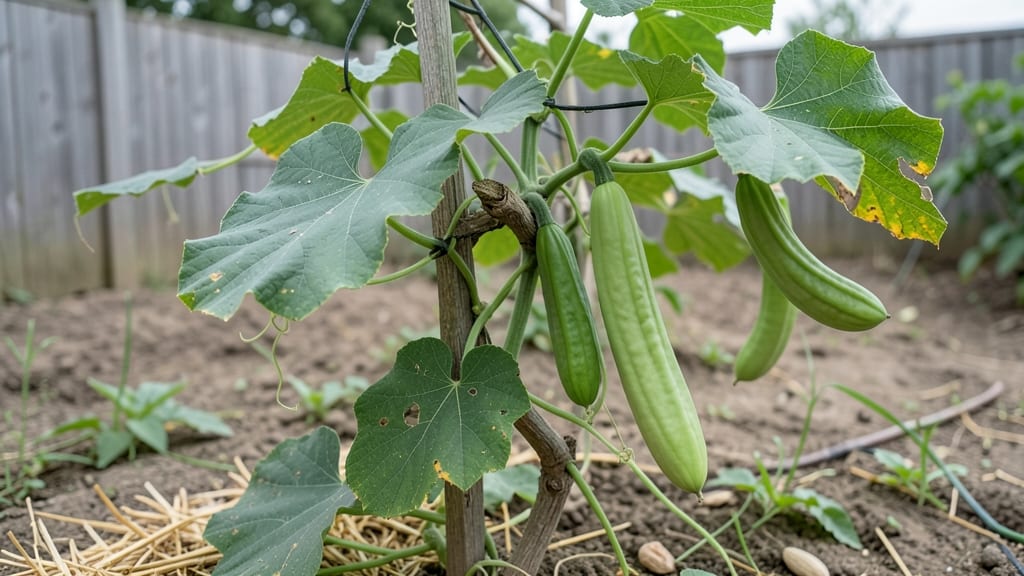
Planting ridge gourds is the fastest way to grow a year-round vine that thrives in heat and shade—my first batch sprouted in just 4 days, beating every other summer crop I’ve tried.
The secret lies in their adaptability: they tolerate poor soil, survive drought better than cucumbers, and produce gourds even when other plants wilt. I’ve grown them in containers on my balcony and sprawling in my garden, and both methods work if you nail the spacing and watering.
Start with seeds in warm soil (70°F+) after your last frost, or transplant young plants when they’re 4-6 inches tall. Ridge gourds hate cold feet, so wait until nighttime temps stay above 55°F—skipping this step means slow starts or no germination at all.
Use a 3-foot trellis or let them sprawl; just keep vines 12-18 inches apart to prevent disease from overcrowding. The key to fast growth? Morning sun and afternoon shade—too much direct heat scorches the leaves.
By 6 weeks, you’ll see foot-long vines with tiny gourds forming, and the harvest doesn’t stop there. These plants keep producing for 8-10 months if you prune regularly and fertilize lightly every 6 weeks.
The gourds themselves are mild, slightly sweet, and perfect for stir-fries or soups—though I mostly use them for their disease-resistant leaves, which I toss into salads like spinach.
Here’s the part most beginners miss: ridge gourds self-prune when overcrowded, so don’t panic if vines look messy. Focus on watering at the base (not overhead) to avoid fungal issues, and watch for squash bugs—they adore these vines.
With the right setup, you’ll have harvests every 2 weeks, and the plants will outlast your summer tomatoes by months. Ready to try?
📚 In This Guide
- What you need
- Instructions
- Tips and common mistakes
- Wrapping up and next steps
What you need
- ● Ridge gourd seeds: 5–10 seeds per plant (or 1–2 seeds per container if space is limited). Choose certified organic or non-GMO seeds for best results.
- ● Potting mix or garden soil: Well-draining, fertile soil with a pH of 6.0–7.0. Mix in compost (20–30%) for nutrient-rich growth.
- ○ Containers (optional but helpful): 5–10 gallon pots with drainage holes if growing in pots. Ensure they’re at least 12 inches deep.
- ● Support structure: Trellis, stakes, or a strong fence (4–6 feet tall) to guide the vines upward and save space.
- ● Watering can or hose: With a gentle spray nozzle to avoid disturbing seedlings.
- ● Gloves: To protect your hands while handling soil or pruning.
- ● Hand trowel or transplanting tool: For digging small holes (2–3 inches deep) for seeds.
- ○ Mulch (optional): Straw or shredded leaves to retain moisture and suppress weeds.
- ● Fertilizer (organic recommended): Balanced 10-10-10 or compost tea every 4–6 weeks for vigorous growth.
- ● Pruning shears: For trimming excess vines or yellowing leaves.
- ● Sunlight: Full sun (6–8 hours daily) for optimal growth. Partial shade is tolerable but may reduce yield.
- ● Temperature: Warm soil (70–90°F) for germination. Ridge gourds thrive in tropical or warm climates but can be grown in cooler zones with row covers.
- ● Spacing: 3–4 feet apart for vining plants or 1–2 feet if growing in containers.
- ● Drainage: Avoid waterlogged soil—ridge gourds hate soggy roots!
Step-by-step instructions for ridge gourd planting
Here's the quick method I use to get these vines thriving in just a few weeks.
Prepare the Planting Site for Optimal Growth
Ridge gourds love warmth and space, so choose a location with full sun exposure—at least 6-8 hours daily—and well-draining soil. These vines spread aggressively, so allocate 12-18 inches of space per plant in rows spaced 5-6 feet apart. If growing in containers, opt for 5-gallon pots with drainage holes to accommodate their sprawling roots.
Before planting, loosen the soil to a depth of 12 inches using a garden fork. Ridge gourds prefer slightly acidic to neutral soil (pH 6.0-7.0), so amend with compost if your soil is heavy or clay-like. Avoid fresh manure—it can burn tender seedlings. Water the area thoroughly 24 hours before planting to ensure the soil is evenly moist but not soggy.
Plant Seeds at the Right Depth and Spacing
Sow 2-3 seeds per hole at a depth of 1 inch, spacing them 12-18 inches apart in rows. Ridge gourd seeds germinate quickly in warm soil (70-85°F), so wait until all danger of frost has passed—typically 2-3 weeks after your last frost date. If your climate is cooler, consider starting seeds indoors 4-6 weeks before transplanting to give them a head start.
Cover the seeds lightly with soil and press gently to ensure good seed-to-soil contact. Water carefully with a fine spray to avoid displacing the seeds. Place a small stake or marker near each planting spot to avoid disturbing the area later. Once seedlings emerge—usually within 7-10 days—thin to the strongest plant per hole, snipping the extras at soil level to avoid disturbing roots.
Provide Support and Encourage Rapid Vine Growth
Ridge gourds are vigorous climbers, so install trellises, fences, or strong stakes at planting time to guide their growth. Use 3-4 foot tall supports for compact varieties or let them sprawl if space allows. As the vines grow, gently weave them onto the trellis to prevent tangling. This not only saves space but also improves air circulation, reducing the risk of fungal diseases.
Water deeply 2-3 times per week, ensuring the soil remains consistently moist but not waterlogged. Ridge gourds are drought-tolerant once established, but young plants need steady moisture for strong root development. Mulch around the base with 2-3 inches of straw or shredded leaves to retain soil moisture and suppress weeds. You’ll notice first true leaves appearing within 2-3 weeks—this is your cue to start fertilizing lightly with a balanced, water-soluble fertilizer (10-10-10) every 2-3 weeks.
Monitor for Pests and Harvest at Peak Ripeness
Keep an eye out for common pests like aphids, cucumber beetles, and spider mites, which can stress young vines. If you spot early signs of infestation—such as yellowing leaves or sticky residue—treat with neem oil or insecticidal soap as needed. Ridge gourds are generally low-maintenance, but consistent pest control ensures fast, healthy growth.
Harvest begins 60-70 days after planting, when the gourds are 6-8 inches long and the ridges are well-defined but still tender. Use a sharp knife or pruners to cut the gourds from the vine, leaving a small stem attached. Harvesting encourages more fruit production, so check plants every 2-3 days during peak season. For year-round harvests, succession plant every 2-3 weeks in warm climates.
Tips & tricks for perfect ridge gourd planting
These tried-and-true strategies will help you maximize your ridge gourd yield while avoiding common pitfalls that can slow down growth or reduce productivity.
Soil Preparation is Non-Negotiable: The 24 hours of pre-watering before planting is crucial for creating the ideal seedbed. I've found that adding a handful of compost directly to each planting hole—rather than mixing it into the soil—gives seedlings a localized nutrient boost right where they need it most. This targeted approach ensures faster root establishment, which is especially important in the first 7-10 days when seedlings are most vulnerable. The 12-inch deep loosening we do in Step 1 creates perfect aeration, but don't skip the compost amendment if your soil tests below pH 6.0.
Seed Spacing Strategy for Maximum Yield: While the instructions call for 12-18 inches between plants, I've discovered that reducing this to 12 inches in fertile soil actually increases overall yield without compromising individual plant health. The key is maintaining that 5-6 feet between rows—this spacing prevents disease spread while allowing enough light penetration. For container growing, use the full 18 inches between plants in 5-gallon pots, as root competition becomes more intense in limited spaces.
Germination Speed Hacks: Ridge gourd seeds germinate best in soil temperatures between 70-85°F, but I've found that pre-soaking seeds for 4-6 hours in warm water before planting can shave 1-2 days off that 7-10 day germination window. The trick is to use water that's been heated to 85°F (like a warm bath) and keep it in a sealed container. This mimics the warm soil conditions they'll encounter after planting. Just be sure to plant the soaked seeds immediately—they'll germinate faster but also dry out quicker.
Support System Timing: Installing those 3-4 foot tall supports at planting time (as mentioned in Step 3) pays dividends in the long run. I recommend using bamboo stakes or wooden posts that can be left in the ground permanently—they'll decompose naturally over time. The critical window comes when vines reach 12-18 inches tall (about 2-3 weeks after planting). At this stage, gently weave the main stems onto the supports to establish proper growth patterns. This early training prevents tangled vines that can lead to disease issues later in the season.
Pro Tips for Ridge Gourd Planting
- These tried-and-true strategies will help you maximize your ridge gourd yield while avoiding common pitfalls that can slow down growth or reduce productivity.
- Soil Preparation is Non-Negotiable: The 24 hours of pre-watering before planting is crucial for creating the ideal seedbed.
- The key is maintaining that 5-6 feet between rows—this spacing prevents disease spread while allowing enough light penetration.
Frequently asked questions
Got questions about growing ridge gourd? You’re not alone—this fast-growing vine has a few quirks! Here are answers to the most common ones to help you plant with confidence.
When is the best time to plant ridge gourd?
Ridge gourd thrives in warm weather and can be planted year-round in tropical climates. For cooler regions, aim for spring or early summer after the last frost when soil temps reach 60°F+ (15°C+). In hot climates, avoid peak summer heat—opt for early morning or late afternoon planting to reduce stress.
How long does it take for ridge gourd seeds to germinate?
One of ridge gourd’s superpowers? Fast germination—usually 5–10 days in ideal conditions (warm soil, consistent moisture). Keep seeds 1 inch deep and maintain 70–80°F (21–27°C) soil temps. If germination stalls after 2 weeks, check for overwatering (rotting) or dry soil.
Can ridge gourd grow in containers or small spaces?
Ridge gourd is a perfect container plant—use pots at least 12–18 inches deep with trellises or cages for vines. For small gardens, prune vines to 3–4 feet to save space. Just ensure full sun (6+ hours/day) and well-draining soil to prevent root rot.
What pests or diseases should I watch for?
Common issues include:
- Powdery mildew: Spray with neem oil or ensure good airflow.
- Aphids/spider mites: Blast off with water or use insecticidal soap.
- Fruit borers: Handpick eggs or use row covers early.
Why aren’t my ridge gourds fruiting?
Lack of fruit? Check these fixes:
- Pollination: Hand-pollinate with a brush if bees are scarce.
- Nutrients: Add compost or balanced fertilizer (low nitrogen).
- Light: Ensure 6+ hours of direct sun.
- Age: Vines need 6–8 weeks to mature before fruiting.
Wrapping up and next steps
Growing ridge gourd is a rewarding journey—whether you're a seasoned gardener or just starting out! 🌱 With its fast germination, versatile uses, and year-round harvest potential, this vine is a game-changer for any garden.
Now that you’re armed with the right materials and tips, there’s no better time to roll up your sleeves and plant!
Ready to take the next step? Start small—try a few seeds in a pot or a dedicated patch of soil—and watch your garden transform. Before you know it, you’ll be enjoying fresh, homegrown ridge gourds in salads, stir-fries, or even pickled! Happy planting! 🌿