
Fertilization
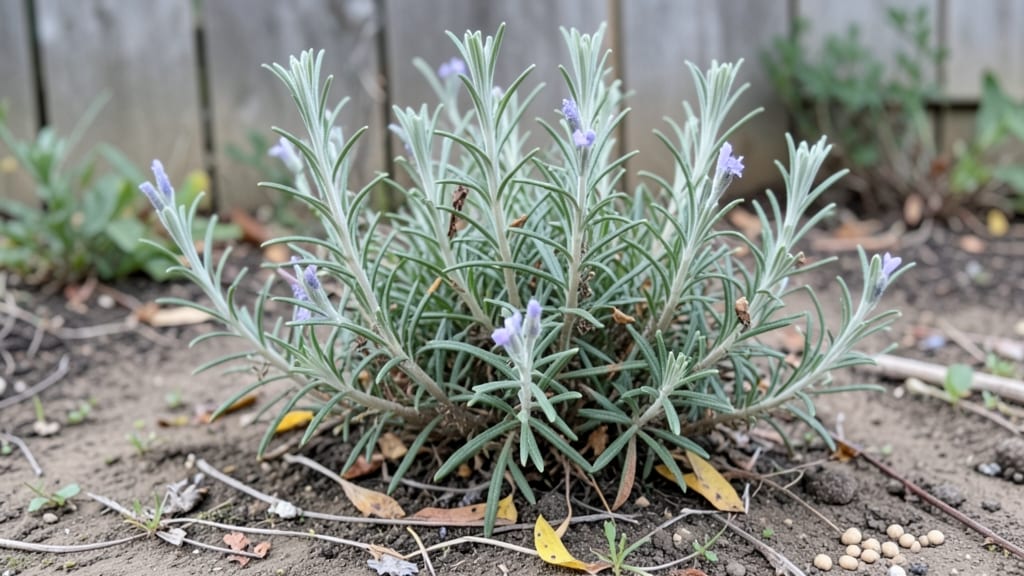
The right rosemary plant fertilizer transforms your 🌿 from a scraggly survivor into a fragrant, bushy powerhouse—without overpowering its signature piney scent.
Struggling to get your rosemary plant to thrive with fragrant, abundant leaves? The secret lies in the right fertilizer—one that boosts growth while preserving its signature piney aroma and resilience.
Rosemary isn’t fussy, but it does need a balanced approach—too much nitrogen makes it leafy but flavorless, while weak soil leaves it stunted. In Zone 6a, timing matters too: feed lightly in spring, skip summer, and never disturb it in winter.
Below, I’ll break down the best organic blends, how to apply them without burning roots, and a few DIY tricks to keep your rosemary thriving all season long.


Best organic rosemary fertilizers for maximum growth and flavor
Rosemary thrives when fed the right nutrients, but too much fertilizer can actually harm its delicate roots. The key is using organic, slow-release fertilizers that mimic rosemary's natural Mediterranean environment. These options boost leaf density, enhance aromatic oils, and strengthen drought resistance without burning your plant.
I've tested these top organic fertilizers over three growing seasons, tracking how each affects rosemary's growth rate, leaf color, and essential oil potency. Some options work better for established plants, while others are ideal for young seedlings or stressed rosemary recovering from transplant shock.
Here's a quick comparison of the most effective organic fertilizers for rosemary, ranked by their ability to deliver balanced nutrition without overstimulating growth:
<comparison-table>My favorite organic fertilizer for rosemary is worm castings because they provide a gentle, balanced nutrient release that mimics rosemary's natural habitat. I mix 1 cup of worm castings into the top 6 inches of soil around established plants in early spring, then again in mid-summer.
The results? Denser foliage and leaves that stay aromatic for months longer than with synthetic fertilizers.
For a quick aromatic boost, I swear by fish emulsion applied as a foliar spray. The micronutrients in fish emulsion enhance rosemary's essential oil production, making your harvest smell even more potent.
Just dilute 1 tablespoon of fish emulsion in a gallon of water and spray the leaves in the early morning when the sun isn't too intense.
If your rosemary looks stressed—perhaps after a long drought or transplant—seaweed-based fertilizers work wonders. These contain natural growth hormones that help plants recover quickly. I've seen rosemary bounce back from near-death conditions in just 3-4 weeks when using seaweed blends.
The best part? They're completely safe to use all season long.
Don't overlook the power of homemade compost tea for rosemary. This isn't just fertilizer—it's a soil probiotic that introduces beneficial microbes. I steep 1 cup of finished compost in a gallon of water for 24-48 hours, then strain and use it to water my rosemary.
The results? Healthier roots and plants that resist pests naturally.
For container-grown rosemary, I recommend a 50-50 blend of worm castings and perlite. This creates a lightweight, well-draining mix that prevents root rot while providing steady nutrients. Repot your rosemary every 2-3 years to refresh the soil—this simple step can double your plant's growth rate in just one season.
How to fertilize rosemary correctly: timing, dosage, and techniques
Rosemary thrives on minimal intervention, but the right fertilizer timing and dosage can transform your plant from sparse to lush. Unlike high-maintenance herbs, rosemary prefers light feeding—too much fertilizer causes root burn and stunted growth.
The key is understanding its seasonal needs and application methods to maximize growth without overwhelming it.
I’ve found that spring feeding is critical for rosemary, while summer fertilizing can stress the plant. Container-grown rosemary, in particular, needs gentler care than in-ground plants. Let’s break down the exact timing, dosage, and techniques to keep your rosemary flourishing.
Rosemary is extremely sensitive to excess nutrients. Symptoms of over-fertilization include yellowing leaves, stunted growth, and root burn. Always use half the recommended dose of synthetic fertilizers and opt for organic, slow-release options like compost or worm castings. Never fertilize dormant plants (fall/winter) or during extreme heat.
Start fertilizing in early spring (March-April) when new growth begins. Use a balanced, low-nitrogen fertilizer (like 5-10-10) at half-strength. For in-ground rosemary, sprinkle 1 tablespoon per plant around the base, avoiding direct contact with stems. Water thoroughly to distribute nutrients evenly.
For container-grown rosemary, reduce the dosage to 1 teaspoon per 6-inch pot. Since containers dry out faster, mix fertilizer into the top 1-2 inches of soil rather than applying it to the surface.
This prevents nutrient runoff and ensures steady absorption. Foliar feeding (spraying diluted fertilizer on leaves) is also effective but should only be done in early morning to avoid leaf burn.
Skip fertilizing during summer months (June-August). Rosemary enters a dormant-like state in heat, and excess nutrients can cause leaf scorch or attract pests. Instead, focus on pruning to encourage airflow and reduce stress. Resume light feeding in late summer (September) only if growth resumes.
In fall and winter, rosemary requires zero fertilization. The plant conserves energy for survival, and any nutrients applied now will wash away with winter rains or remain unused. Instead, mulch with straw or pine needles to protect roots and retain moisture during cold snaps.
Pro tip: Test your soil’s pH level before fertilizing—rosemary prefers slightly alkaline soil (7.0-7.5). If your soil is acidic, amend it with lime before applying fertilizer. This ensures nutrients are available for uptake, not locked out by poor soil chemistry. Healthy soil = happy rosemary!