
Planting
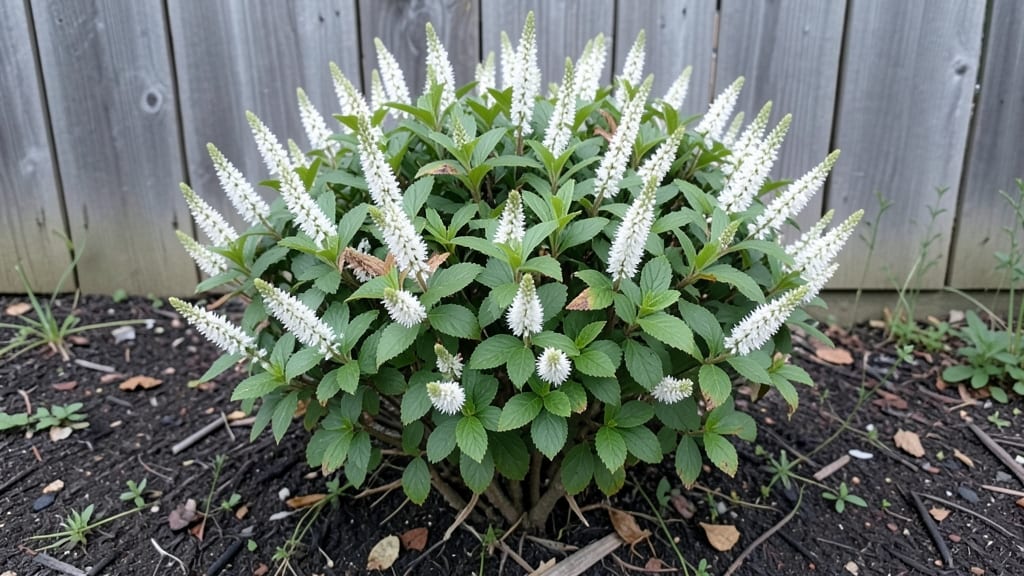
Growing a thriving Sharon bush plant 🌸 starts with the right timing and conditions—plant it in April to May when the soil warms and the last frost has passed.
Picture this: you’ve just planted your Sharon bush, but six months later, it’s still a scraggly shrub with sparse blooms. That’s not laziness—it’s likely a soil or sunlight mismatch. The good news? This hardy plant forgives mistakes once you know the three core secrets to its care.
From well-draining soil to pruning for reblooms, this guide covers exactly what your Sharon bush needs to grow tall, lush, and covered in vibrant flowers year after year.
You’ll learn the ideal sunlight spots, how often to water without drowning the roots, and when to prune for maximum blooms—plus how to troubleshoot common problems before they start.


Sharon bush plant care basics: soil, sunlight, and watering for optimal growth
The Sharon bush (Hibiscus syriacus) thrives when you nail three core elements: soil quality, sunlight exposure, and watering consistency. These factors determine whether your shrub grows lush, blooms vibrantly, or struggles with leaf drop or root rot.
Let’s break down the essentials to ensure your Sharon bush becomes the star of your landscape.
First, soil composition is critical—this plant prefers well-draining, slightly alkaline soil with a pH between 6.5 and 7.5. Heavy clay or waterlogged soil will suffocate roots, while sandy soil may require organic amendments like compost or peat moss to retain moisture.
Test your soil before planting to avoid costly mistakes.
Next, sunlight needs directly impact bloom production. Sharon bushes love full sun (6+ hours daily) but tolerate partial shade in hotter climates. Without enough light, you’ll see fewer flowers and leggy growth. Position your bush where it gets morning sun and afternoon shade for the best results.
Finally, watering strategy is where many gardeners go wrong. Deep, infrequent watering encourages strong root development, while shallow, frequent watering promotes weak roots and disease. Aim for 1-2 inches of water per week, adjusting for rainfall and season.
| Care Factor | Requirement | Specification |
|---|---|---|
| Soil Type | Well-draining | Slightly alkaline (pH 6.5-7.5) |
| Sunlight | Full sun to partial shade | 6+ hours direct sunlight |
| Watering | Deep and infrequent | 1-2 inches/week (adjust for season) |
| Mature Size | Medium shrub | 4-6 feet tall and wide |
| Best Planting Time | Spring or fall | After last frost date |
Let’s start with soil preparation. Before planting, amend your soil with compost or aged manure to improve drainage and fertility. If your soil is too acidic, add lime to raise the pH gradually.
A simple DIY test—drop a few drops of vinegar on soil—will show fizzing if it’s alkaline enough. For established bushes, top-dress with mulch to retain moisture and regulate temperature.
When it comes to sunlight placement, observe your yard’s microclimates. South-facing spots get the most sun, while north-facing areas may need supplemental light. If your Sharon bush starts looking leggy or sparse, it’s likely not getting enough sun.
Move it closer to a sunny window or relocate outdoors if possible.
Your watering routine should adapt to seasons. In spring and summer, water deeply every 5-7 days, while in fall and winter, reduce to every 2-3 weeks unless it’s extremely dry.
Overwatering is a common mistake—always check the top 2 inches of soil before watering. If it’s damp, wait a few more days.
One pro tip for watering: Use a drip irrigation system or soaker hose to deliver water directly to the roots. This method reduces evaporation and prevents fungal diseases that thrive in wet foliage. Avoid overhead watering, especially in the evening, to minimize disease risk.
Finally, monitor your Sharon bush for signs of stress. Yellowing leaves may indicate overwatering or poor drainage, while crispy edges suggest underwatering or high heat stress.
Adjust your care routine based on these clues, and your bush will reward you with vibrant blooms and lush foliage all season long.
With these soil, sunlight, and watering basics mastered, your Sharon bush will thrive for years, becoming a stunning focal point in your garden. Happy growing!
Pruning and fertilizing secrets to keep your Sharon bush flowering year-round
The Sharon bush (Hibiscus syriacus) rewards careful pruning with longer bloom seasons and denser foliage. Unlike many shrubs, it blooms on both old and new wood, so timing matters. A well-timed trim in late winter or early spring removes dead growth while encouraging fresh blooms.
Combine this with the right fertilizer strategy, and you’ll transform your shrub into a year-round flowering powerhouse.
Organic and synthetic fertilizers each have their place—organic options like compost or fish emulsion improve soil health over time, while synthetic balanced NPK fertilizers deliver quick nutrient boosts.
The key is applying them at the right seasonal intervals to avoid overfeeding, which can lead to leafy growth at the expense of flowers. Let’s break down the exact steps to keep your Sharon bush thriving.
Step-by-Step Sharon Bush Care
-
Step 1: Late Winter Pruning (Feb-March)
Trim dead or crossing branches to 1/4 inch above a bud. This encourages new growth and spring blooms.
-
Step 2: Early Spring Fertilizing (April)
Apply 1 tbsp of 10-10-10 fertilizer per plant or compost to boost growth. Water deeply afterward.
-
Step 3: Summer Light Pruning (June-August)
Remove spent blooms to encourage reblooming. Avoid heavy pruning—focus on shaping and air circulation.
-
Step 4: Fall Mulching (October)
Add 2-3 inches of mulch to protect roots and retain moisture. Skip fertilizer in fall—let the plant rest.
-
Step 5: Winter Inspection (December-February)
Check for damaged branches and prune only if necessary. Avoid pruning in freezing temperatures.
For organic fertilizer lovers, mix aged compost or worm castings into the soil in spring. This improves soil structure while providing slow-release nutrients. If you prefer synthetics, a balanced 10-10-10 formula applied every 6-8 weeks during the growing season works wonders.
Just remember: less is more—overfertilizing leads to weak stems and fewer blooms.
Pro tip: Water your Sharon bush deeply after fertilizing to help nutrients reach the roots. This shrub is drought-tolerant once established, but consistent moisture during blooming season (summer) keeps flowers vibrant. Pair this with regular pruning, and you’ll enjoy nonstop color from spring through fall.
Don’t forget to shape your bush as it grows! A rounded, open center allows sunlight to reach inner branches, promoting even blooming. Use clean, sharp pruners to make cuts at a 45-degree angle just above a bud. With these secrets, your Sharon bush will thrive year-round.
🌸