
Pruning
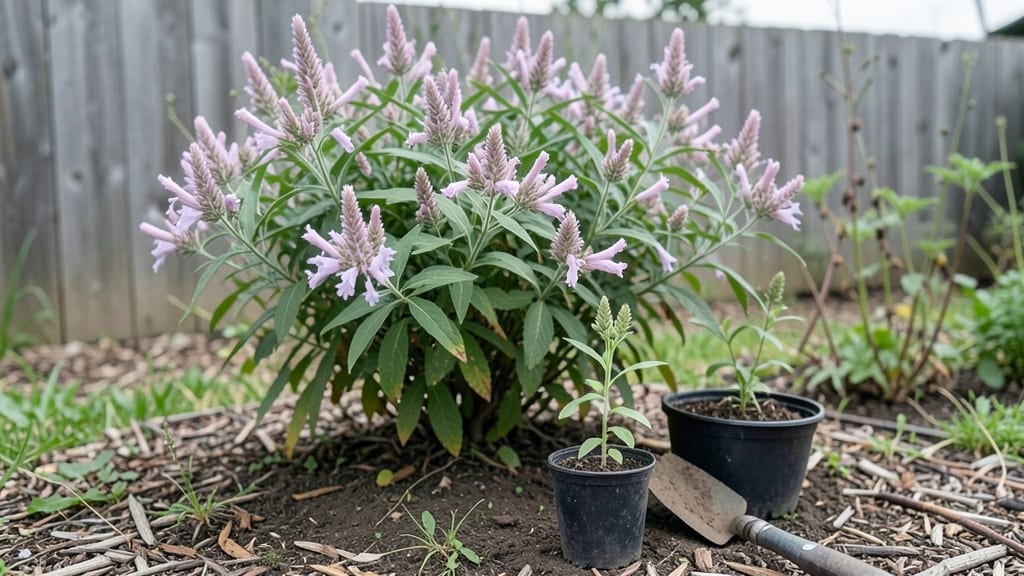
With the right butterfly bush planting and care, your yard can bloom into a monarch magnet in just one season—watch mine go from a bare stem to a buzzing haven for pollinators. green thumb required.
The key starts with the right spot: full sun and well-draining soil, where the roots can stretch without sitting in soggy messes.
You’ll need a shovel, some compost, and a pruning saw—nothing fancy. Dig a hole twice as wide as the root ball but no deeper, then mix in a handful of organic matter to give those roots a nutrient boost.
Water it deeply right after planting, and you’re already ahead of 90% of gardeners who overcomplicate things. The bush thrives on neglect once established, but it rewards good care with vibrant purple blooms from summer through fall.
Pruning is where the magic happens. Cut back the previous year’s growth by one-third in early spring, and shape the plant to keep it compact. This isn’t just about looks—it encourages fresh, butterfly-friendly flowers.
By midsummer, you’ll have a bush so packed with blooms that butterflies can’t resist landing, and the fragrance will draw them in like a neon sign.
Troubleshooting is simple: yellow leaves mean overwatering, while sparse blooms usually point to too much shade. A quick trim and a move to sunnier ground fixes both.
With the right care, your butterfly bush will keep attracting pollinators for years, turning your garden into a living, buzzing ecosystem. Ready to get started?
📚 In This Guide
- What you need
- Instructions
- Tips and common mistakes
- Wrapping up and next steps
What you need
- ● Butterfly bush plant: Choose between: Nursery-grown Buddleia (fastest option)
- ● Seeds (slower, but fun for DIYers!)
- ● Rooted cuttings (budget-friendly alternative)
- ● Well-draining soil: Amend heavy clay with compost or perlite (1 part compost to 3 parts soil).
- ● Fertilizer: Balanced 10-10-10 NPK or slow-release rose & shrub fertilizer (follow package rates).
- ● Mulch: 2–3 inches of organic mulch (e.g., wood chips or pine straw) to retain moisture.
- ● Gardening gloves (to protect your hands from thorns on some varieties).
- ● Trowel or shovel (for digging—6–12 inches deep for mature plants).
- ● Pruning shears (sharp, bypass-style for clean cuts).
- ● Watering can or hose with a gentle spray nozzle (butterfly bushes hate soggy roots!).
- ● Measuring tape or ruler (to space plants 3–6 feet apart, depending on variety).
- ● Epsom salt (1 tbsp/month in water for magnesium boost).
- ● Stakes or plant supports (for young or top-heavy varieties).
- ● Butterfly-friendly companion plants (e.g., coneflowers or bee balm).
- ● Drip irrigation system (for low-maintenance watering).
Step-by-step instructions for planting and caring for butterfly bush
Here’s my straightforward approach to establishing a thriving butterfly bush that blooms reliably year after year.
Choose the Right Planting Location and Time
Butterfly bushes thrive in full sun, so pick a spot that receives at least 6-8 hours of direct sunlight daily. I always check the site in late afternoon—this is when shadows are longest, and you’ll spot areas that might get shaded by nearby trees or structures. Spring is the best time to plant, once soil temperatures reach 60°F or warmer.
Dig a hole twice as wide as the root ball but only as deep. Loosen the sides of the hole with a shovel or your hands so roots can spread easily. Avoid planting too deep—set the plant so the top of the root ball sits just above ground level. This prevents rot and encourages strong growth.
Amend Soil and Plant the Butterfly Bush
Butterfly bushes adapt to most soil types but perform best in well-draining, slightly acidic to neutral soil with a pH between 6.0 and 7.0. If your soil is heavy clay or very sandy, mix in 2-3 inches of compost into the bottom of the hole to improve drainage and fertility. Avoid garden soil or peat moss—these can compact and suffocate roots.
Gently remove the plant from its container and tease out any circling roots. Place it in the hole, backfill with native soil, and tamp lightly to eliminate air pockets. Water deeply right after planting to settle the soil and encourage root contact. You’ll know it’s done right when water drains evenly without pooling.
Water and Mulch for Healthy Growth
Water the newly planted bush thoroughly, providing about 1-2 gallons of water to ensure roots establish. After the first week, water deeply 2-3 times per week during the first growing season, allowing the top 2-3 inches of soil to dry out slightly between waterings. Overwatering leads to root rot, so always check soil moisture before adding more water.
Spread a 2-3 inch layer of mulch around the base, keeping it 3-4 inches away from the trunk to prevent moisture buildup. I use shredded bark or pine straw—both retain moisture and regulate soil temperature. Replenish mulch as it breaks down to maintain coverage.
Prune for Shape and Encourage Blooms
Prune butterfly bushes in late winter or early spring, just as new growth begins to appear. Cut back the previous year’s stems by about 1/3 to 1/2 to encourage bushier growth and more flowers. Remove any dead, diseased, or weak stems first—this keeps the plant healthy and prevents pests from moving in.
For established plants, shape the bush by trimming back leggy or overcrowded branches. You’ll notice new buds forming along the stems after pruning—this is your cue that the plant is responding well. Avoid heavy pruning in fall, as it reduces winter hardiness.
Fertilize and Monitor for Pests
Apply a balanced, slow-release fertilizer in early spring, following package instructions for application rates. I prefer a 10-10-10 or 20-20-20 formula to support overall plant health. Avoid high-nitrogen fertilizers, which promote leafy growth at the expense of flowers. Water the plant thoroughly after fertilizing to help nutrients reach the roots.
Keep an eye out for common pests like spider mites, aphids, or Japanese beetles. I inspect leaves weekly during growing season—look for chewed edges, sticky residue, or tiny webs. If you spot pests, treat with insecticidal soap or neem oil, applying in the early morning or evening when bees are less active.
Tips & tricks for perfect butterfly bush planting and care
A few simple strategies will help you establish a butterfly bush that thrives and blooms beautifully for years to come.
Sunlight Strategy: When selecting your planting location, remember that butterfly bushes need that full 6-8 hours of direct sunlight daily. I find that checking the site in late afternoon reveals any potential shading issues you might miss in the morning. If you notice shadows creeping in during peak afternoon hours, consider planting in a slightly different spot or choosing a location where the bush can grow taller to reach more sunlight.
Soil Preparation: The 2-3 inches of compost you mix into heavy clay or sandy soil makes all the difference in establishing strong roots. I like to use a mix of compost and native soil to create a well-draining environment that prevents waterlogging. This is especially important in areas with poor drainage, as butterfly bushes hate having soggy roots. For a quick test, dig a small hole in your planting area and fill it with water—if it doesn't drain within an hour, you'll need to improve drainage.
Watering Wisdom: Those first two weeks after planting are critical for root establishment. While the instructions call for 1-2 gallons of water initially, I find it helpful to water deeply every other day during this period. This encourages roots to grow outward rather than staying concentrated at the surface. After the first week, you can adjust to the recommended 2-3 times per week schedule, but always check that top 2-3 inches of soil before watering—it should be slightly dry to the touch.
Pruning Insight: When you're ready to prune in late winter or early spring, focus on cutting back those previous year's stems by about one-third to one-half. This might seem drastic, but trust me—it's what encourages those lush, bushy growth patterns and abundant blooms. I like to make my cuts just above a set of buds or leaves to promote new growth from that point. For established plants, shaping the bush by trimming back leggy branches actually stimulates the formation of new buds along the stems.
Pro Tips for Butterfly Bush Planting And Care
- A few simple strategies will help you establish a butterfly bush that thrives and blooms beautifully for years to come.
- Sunlight Strategy: When selecting your planting location, remember that butterfly bushes need that full 6-8 hours of direct sunlight daily.
- Soil Preparation: The 2-3 inches of compost you mix into heavy clay or sandy soil makes all the difference in establishing strong roots.
Frequently asked questions
Got questions about growing your butterfly bush? You’re not alone! Here are answers to the most common queries to help you nurture a thriving, pollinator-friendly plant with ease.
When is the best time to plant a butterfly bush?
The ideal time to plant butterfly bushes is in early spring or fall, when soil temperatures are mild (50–70°F). This gives roots time to establish before extreme heat or cold. If planting in summer, water deeply and shade young plants to reduce stress. Container-grown bushes can be planted year-round in mild climates!
Why aren’t butterflies visiting my butterfly bush?
Butterflies love butterfly bushes—but they need the right conditions! Ensure your plant is in full sun (6+ hours/day) and blooming (prune in late winter/early spring for continuous flowers). Avoid pesticides, as they can repel pollinators. If blooms are sparse, fertilize lightly with a balanced, slow-release fertilizer in spring.
How do I prune a butterfly bush for maximum blooms?
Prune in late winter or early spring (before new growth starts) to shape the plant and encourage dense blooms. Cut back 1/3 of the oldest stems to the ground and trim any dead or weak branches. For year-round color, do a light pruning in late summer to remove spent flowers and promote new growth.
Can butterfly bushes survive winter in cold climates?
Most butterfly bushes (like Buddleia davidii) are hardy to USDA Zones 5–9. In colder zones, mulch the base with 3–4 inches of organic mulch (like shredded bark) after the first frost. For extra protection, wrap young plants in burlap or use a frost blanket. Prune back dead foliage in early spring.
Are there non-invasive butterfly bush alternatives?
If you’re concerned about invasiveness (some butterfly bushes spread aggressively), try native alternatives like bee balm (Monarda), purple coneflower (Echinacea), or butterfly weed (Asclepias tuberosa). These attract pollinators without the same spread risk. Just ensure they thrive in your sunny, well-drained location!
Wrapping up and next steps
Planting and caring for a butterfly bush is a rewarding journey that brings vibrant color and life to your garden while supporting local pollinators. With the right sunlight, soil, and pruning, you’ll enjoy year-round beauty and a thriving ecosystem. 🌸
Ready to transform your outdoor space? Start by planting your butterfly bush this season—your garden (and the butterflies!) will thank you. Need more guidance? Explore our pruning tips or seasonal care guide to keep your bush flourishing all year.