
Propagation
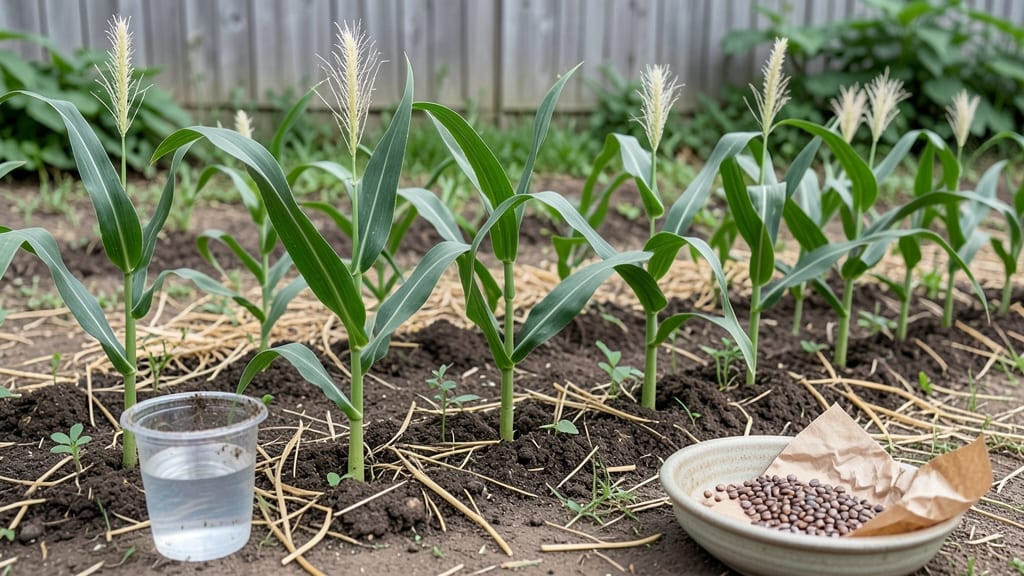
Soaking corn seeds in warm water before planting cuts germination time in half—from two weeks down to just 5-7 days. 🌱 I learned this trick after struggling with slow starts in my garden, and now my corn shoots up like weeds.
The warm water softens the seed coat, letting moisture and nutrients rush in faster than nature would on its own.
You only need warm water (not boiling—just warm enough to feel cozy, around 85°F), a container, and a damp paper towel. Soak seeds for 12-24 hours, checking occasionally to keep them submerged.
The goal is to plump them up, not cook them. After soaking, plant immediately—they’ll be eager to grow.
This method works for most sweet corn and field corn varieties, but check seed packets for special instructions. You’ll see sprouts peeking through the soil in less than a week, and the plants will establish stronger roots. Just avoid soaking too long—over 24 hours risks weakening the seed.
For best results, plant in well-drained soil after soaking, and keep the soil consistently moist until germination. The faster start means earlier harvests and fewer pests finding weak seedlings first. Worth the extra 15 minutes!
📚 In This Guide
- What you need
- Instructions
- Tips and common mistakes
- Wrapping up and next steps
What you need
- ● Corn seeds: High-quality, untreated seeds (check the seed packet for recommended varieties). Quantity: Enough for your planting needs (e.g., 100–200 seeds for a small garden).
- ● Clean container: A glass jar, bowl, or bucket with a lid (or breathable cloth). Size: Large enough to hold seeds submerged in 2–3 inches of water.
- ● Warm water: Tap water heated to 80–100°F (27–38°C) (lukewarm to warm). Avoid boiling water—it can damage seeds!
- ○ Optional soaking agent: A pinch of hydrogen peroxide (3%) (1 tsp per gallon of water) to prevent mold or unrefined sea salt (½ tsp per gallon) for extra energy.
- ● Paper towels or clean cloth: For draining excess water after soaking.
- ● Timer or clock: To track soaking time (12–24 hours, depending on method).
- ● Thermometer (to monitor water temperature).
- ● Fine-mesh strainer (for easy draining).
- ● Spray bottle (to keep seeds moist post-soak).
- ● Seedling tray or biodegradable pots (for pre-sprouting before transplanting).
Instructions for soaking corn seeds to boost germination
Here’s my time-tested method to jumpstart corn growth—just a few hours of warm water work wonders.
🌱 Step 1: Prepare the Seeds for Soaking
Start by selecting plump, undamaged corn kernels—discard any that feel soft, shriveled, or discolored. Place them in a clean bowl or mesh bag to prevent them from floating away. I like using a fine-mesh produce bag with a twist tie, as it keeps the seeds contained while allowing water to circulate freely.
Fill a large bowl or pot with warm water (80-85°F)—lukewarm, not hot. This temperature range mimics ideal soil conditions and kickstarts metabolic activity. If your tap water is cooler, let it sit for a few minutes to reach the right temperature before adding the seeds.
💧 Step 2: Soak the Seeds for Optimal Germination
Submerge the corn seeds completely in the warm water and let them soak for 12-24 hours. You’ll notice the kernels begin to plump up and develop a slight white halo around them—this is a clear sign they’re absorbing moisture and preparing to sprout. Stir them gently every few hours to ensure even exposure to water.
I know it seems counterintuitive, but don’t soak them longer than 24 hours. Overnight soaking can lead to oxygen deprivation, which weakens the seed’s energy reserves and may even cause rot. After 24 hours, drain the water completely and give the seeds a quick rinse with fresh water to remove any excess starch or residue.
⏰ Step 3: Plant the Soaked Seeds Immediately
Once drained, plant the soaked corn seeds 1-2 inches deep in well-drained soil, spacing them 6-8 inches apart in rows that are 2-3 feet apart. The moisture they’ve absorbed means they’ll germinate faster—usually within 5-10 days—so don’t delay planting. Press the soil gently around the seeds to ensure good contact with the moist environment.
Water the area lightly after planting to settle the soil, but avoid overwatering. Soaked seeds are already hydrated, and excess moisture can lead to rot or fungal issues. You’ll see the first signs of germination when the seedling’s radicle (the tiny root) pushes through the soil, followed by the shoot emerging within a few days.
☀️ Step 4: Monitor for Consistent Moisture
After planting, maintain the soil at a consistently moist but not soggy level. Corn seeds need steady moisture to germinate, but once the seedlings emerge, let the top inch of soil dry out slightly between waterings. This encourages deeper root growth and prevents the delicate seedlings from becoming waterlogged.
Place the seeds in a location with full sun (6-8 hours daily) and warm soil temperatures—corn thrives when soil stays above 60°F. If your climate is cooler, consider using a seedling heat mat to keep the soil warm. You’ll know germination is working when the first true leaves appear, signaling that the seedling is photosynthesizing and growing strong.
Tips & tricks for perfect corn seed soaking
A few key techniques will help you maximize germination rates and avoid common pitfalls with corn seeds.
Temperature Matters: The 80-85°F range is critical for kickstarting metabolic activity in corn seeds—don't guess at "warm" water. Use a kitchen thermometer to verify temperature, especially if your tap water runs cool. If you're in doubt, place the bowl of water in a warm spot (like near your oven with it off) for 10 minutes to reach the ideal range before adding seeds. This mimics ideal soil conditions and significantly boosts germination success.
Visual Cues for Success: During the 12-24 hour soak, watch for two key indicators: first, the kernels should plump noticeably (they'll feel heavier and firmer), and second, you'll see a faint white halo develop around each seed—this is the seed's protective layer responding to moisture. Stir gently every 4-6 hours to prevent any seeds from floating and ensure even hydration. These visual cues confirm you're on the right track for optimal germination.
Timing Secret: The 24-hour maximum soak time isn't arbitrary—it's when oxygen deprivation becomes a real risk. After this window, seeds can develop anaerobic conditions that weaken their energy reserves. If you must extend beyond 24 hours (perhaps due to scheduling), drain and rinse the seeds every 12 hours to refresh oxygen levels. But remember, the 12-24 hour range gives you the best balance between hydration and seed vitality.
Planting Preparation: Before planting your soaked seeds, give them one final inspection: discard any that show signs of mold or an unpleasant odor, as these indicate potential rot. The seeds should feel plump but still firm to the touch. When planting at 1-2 inches depth, use a small stick or your finger to create individual holes—this prevents overcrowding and gives each seedling room to establish strong roots. The 6-8 inch spacing between seeds ensures proper air circulation, which is crucial for preventing fungal issues.
Pro Tips for Soak Corn Seeds Before Planting
- A few key techniques will help you maximize germination rates and avoid common pitfalls with corn seeds.
- Temperature Matters: The 80-85°F range is critical for kickstarting metabolic activity in corn seeds—don't guess at "warm" water.
- Stir gently every 4-6 hours to prevent any seeds from floating and ensure even hydration.
Frequently asked questions
Got questions about soaking corn seeds? Here are some common ones—and their answers—to help you get started with confidence!
Why should I soak corn seeds before planting?
Soaking corn seeds speeds up germination by softening the seed coat and activating enzymes that kickstart growth. This method is especially useful in cooler climates or when planting early in the season. You’ll often see faster sprouting (sometimes in just 3–5 days) compared to dry planting!
How long should I soak corn seeds?
For most corn varieties, soak seeds in warm water (60–80°F) for 12–24 hours. Avoid over-soaking—beyond 24 hours, seeds risk rotting or developing mold. Pro tip: Use a breathable cloth or paper towel to drain excess water after soaking to prevent soggy seeds!
Can I reuse the soaking water for multiple batches?
No, reuse soaking water isn’t recommended. Stale water can harbor bacteria or fungi, increasing the risk of seed rot. Always use fresh, warm water for each batch to keep your seeds healthy and ready to sprout.
What if my climate is too cold to soak seeds in warm water?
No problem! If your tap water is cold, let it sit for a few hours to warm up naturally. Alternatively, place the container near a sunny window or use a seedling heat mat (set to 70–80°F) to gently warm the water. Consistency is key—avoid extreme temps!
My soaked seeds smell bad or look moldy—what do I do?
If seeds develop a foul odor or fuzzy mold, discard them immediately. This usually happens from over-soaking or dirty water. For future batches, sanitize containers with a 10% bleach solution (rinse well!) and use fresh, filtered water to prevent contamination.
Are there alternatives to soaking corn seeds?
Yes! If soaking isn’t an option, try scarification (lightly sanding the seed coat) or stratification (mixing seeds with damp sand for 24–48 hours). However, soaking remains the simplest and most effective method for corn—just follow the timing tips above!
Wrapping up and next steps
Soaking your corn seeds before planting is a simple yet powerful trick to boost germination speed and give your crop a healthier start! 🌱 By following the right steps—like using warm water, proper timing, and gentle handling—you’ll unlock faster growth and stronger seedlings.
Whether you’re a seasoned gardener or just starting out, this method is an easy win for your garden’s success.
Ready to see those seeds sprout like magic? Grab your supplies, try the soak method, and watch your corn thrive! Next, check out our guide on optimal planting depth and spacing to maximize your harvest.