
Companion Plants
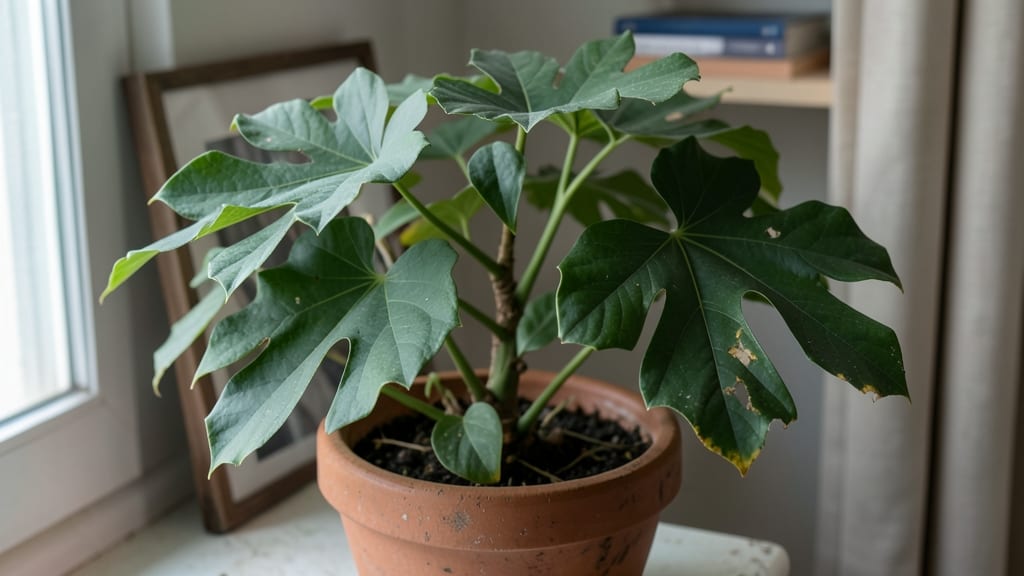
Soft foliage plants create dreamy garden textures, thriving in shaded areas with minimal upkeep. My top picks—hostas, ferns, and impatiens—flourish in low light while needing only consistent moisture to stay vibrant.
These plants are nature's way of turning dull corners into lush retreats. 💛 Their broad, velvety leaves capture light efficiently, making them perfect for under trees or north-facing gardens where sunlight is scarce.
I've noticed that their slower growth rate actually makes them more resilient—fewer pests and less competition for resources. The key is mimicking their natural habitat: moist, well-draining soil and protection from harsh afternoon sun.
For best results, I recommend grouping them with other shade-lovers like astilbes or lungworts. This creates a layered effect that softens hard edges in your landscape while requiring almost no extra effort from you.
The trade-off? They may need occasional leaf cleanup to prevent fungal issues—worth it for that velvety green glow all season long.
💡 In This Article
- Why Soft Foliage Thrives in Shady Gardens
- Caring for Soft Foliage: Light, Water, and Soil Tips
Why soft foliage thrives in shady gardens
Here's what's actually happening in those velvety leaves: soft foliage plants like hostas and ferns have evolved specialized leaf structures to capture what little light reaches shaded areas. Their broad, thin leaves contain mesophyll cells packed with chloroplasts that maximize surface area for photosynthesis, even in low light.
Studies show these plants can photosynthesize efficiently at just 10-20% of full sunlight—about what you'd get under a dense tree canopy. 🌿
The key factor is their slow growth rate, which conserves energy. Unlike sun-loving plants that grow rapidly to compete for light, shade plants allocate resources to leaf development instead.
Hostas, for example, grow only about 6-12 inches per year under ideal conditions, while their roots spread wide and shallow to absorb moisture efficiently. This strategy prevents them from "wasting" energy on rapid vertical growth that would require more sunlight exposure.
What most people don't realize is how their leaf texture helps with moisture retention. The fuzzy or waxy surfaces on plants like lamb's ear or astilbe create a microclimate that reduces water loss through transpiration.
Some varieties even have blue-green pigmentation (like certain hostas) that contains anthocyanins, which protect cells from UV damage while still allowing light penetration. This dual adaptation lets them thrive where faster-growing plants would struggle.
Root systems play a crucial role too. Ferns develop rhizomes that spread horizontally just below the soil surface, creating a dense network that stabilizes the plant and absorbs water efficiently.
Meanwhile, hostas grow fibrous root systems that can reach 1-2 feet deep but spread widely, perfect for absorbing moisture from the topsoil layer where shade keeps evaporation minimal. This root structure also makes them more drought-tolerant once established than you'd expect.
Interestingly, these plants often produce larger leaves in shade conditions—a survival adaptation. While sun plants might have small, tough leaves to reduce water loss, shade plants maximize their light-catching surface area.
A single hosta leaf can reach 12-18 inches wide in ideal shade, compared to just 4-6 inches when grown in partial sun. The trade-off? These big leaves require more nutrients, which is why consistent moisture becomes critical for their health.
The science behind their success also involves photosynthetic efficiency. Shade plants often use C3 photosynthesis but with modified enzyme pathways that work better in low light.
They produce more RuBisCO (the enzyme that fixes carbon dioxide) relative to their leaf mass, allowing them to make the most of limited light resources. This biochemical adaptation explains why they can outcompete sun plants in shaded environments over time.