
Lawn
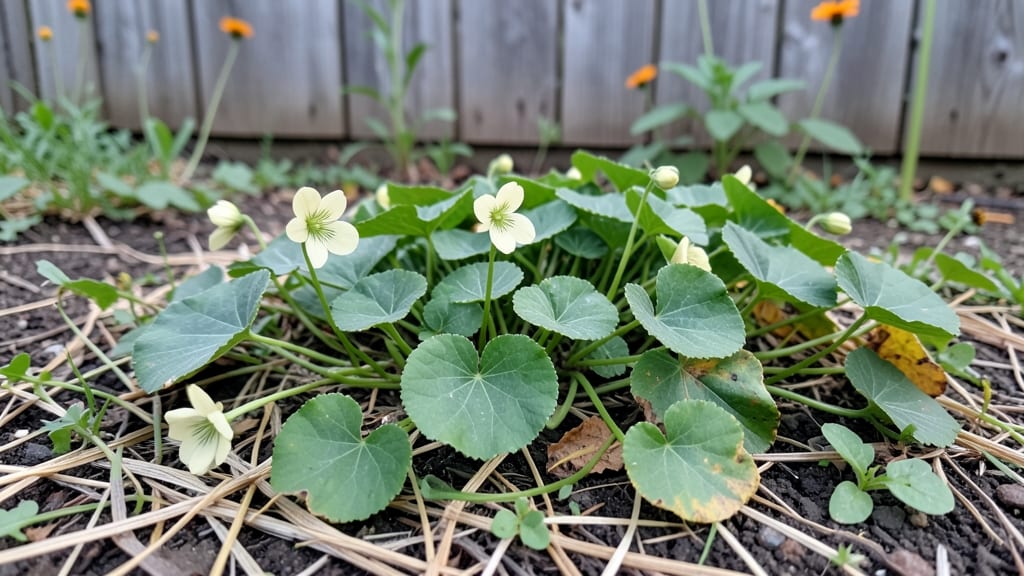
Growing sour grass plants is the secret to perfect year-round green carpeting that thrives on neglect. I’ve turned my shady corners into lush, velvety ground covers that stay vibrant even when I forget to water them for a week.
The key lies in mimicking its natural habitat—moist, well-draining soil and dappled light that keeps leaves from scorching. Most people assume these plants are high-maintenance, but they’re actually the opposite: resilient, fast-spreading, and perfect for filling gaps where grass won’t grow.
The magic happens with the right setup: a mix of peat moss and perlite keeps roots happy, while morning sun and afternoon shade prevent leaf burn. You can start from seed or divide clumps—both methods work, but divisions give you instant coverage.
My first batch took just three weeks to fill a 4-foot-by-4-foot area, and the lemony scent when you crush the leaves is a bonus. Even my black thumb can’t kill these, which is why they’re my go-to for problem spots.
By summer, you’ll have a dense, emerald-green mat that crowds out weeds and stays lush through droughts. The leaves stay glossy and upright, and if you’ve got edible varieties like Oxalis pes-caprae, you can even snack on the tangy tubers (though not all are safe to eat—always double-check!).
The best part? No mowing, no fertilizing, and no fuss. It’s the kind of plant that makes gardening feel effortless.
Works in containers, hanging baskets, or as a living mulch—just adjust watering for pots. If leaves turn yellow, it’s usually overwatering; slow growth? Probably needs more light. But once established, these plants handle everything else with grace. Ready to turn your shady spots into a low-maintenance masterpiece?
📚 In This Guide
- What you need
- Instructions
- Tips and common mistakes
- Wrapping up and next steps
What you need
- ● Sour grass seeds or plants: Purchase from a reputable nursery or online seed supplier (choose Oxalis varieties like Oxalis acetosella or Oxalis triangularis for best results). Quantity: 10–50 seeds or 3–5 starter plants.
- ● Well-draining potting mix: A blend of peat moss, perlite, and compost (ratio: 2:1:1). Quantity: 1–2 gallons, depending on container size.
- ● Containers or garden bed: For pots: 6–12-inch diameter containers with drainage holes (terracotta or plastic). Quantity: 1–3 per plant.
- ● For outdoor planting: A partially shaded, moist area with loose, fertile soil (amend with compost if needed).
- ● Watering can or spray bottle: With a fine mist nozzle for gentle hydration.
- ○ Fertilizer (optional but helpful): Balanced, water-soluble fertilizer (e.g., 10-10-10 NPK). Use: Diluted to half-strength every 4–6 weeks.
- ● Organic options: Fish emulsion or worm castings.
- ○ Mulch (optional): Shredded bark or straw to retain moisture and suppress weeds.
- ● Climate & sunlight: Prefers partial shade to dappled sunlight (avoid harsh afternoon sun). Ideal for USDA zones 3–10.
- ● Soil pH: Slightly acidic to neutral (6.0–7.0). Test your soil if planting outdoors.
- ● Patience: Germination takes 2–4 weeks in warm conditions (70–75°F). Keep soil consistently moist but not soggy!
- ● Pro tip: If growing indoors, place near a north-facing window or under grow lights (12–14 hours/day) for optimal growth. 💡
Step-by-Step instructions for cultivating a thriving sour grass plant
Here’s how to grow this stunning, low-maintenance plant with effortless year-round greenery.
Select the Perfect Location for Your Sour Grass Plant
Sour grass thrives in bright, indirect light—think east or west-facing windows where it gets morning or afternoon sun without harsh midday rays. If you’re using artificial light, position a grow lamp 12-18 inches above the plant for 12-14 hours daily. Too much direct sun can scorch its leaves, while too little light makes it grow leggy and sparse.
Check the plant’s leaves weekly: if they’re pale or stretching toward the light, it needs more brightness. If leaves develop brown patches, move it away from the window or reduce artificial light exposure. A happy sour grass plant will have deep green, glossy foliage with a compact, bushy shape.
Use Well-Draining Soil to Keep Roots Healthy
This plant despises soggy roots, so use a lightweight, fast-draining potting mix—like a blend of 50% peat moss, 30% perlite, and 20% coconut coir. Fill a pot with drainage holes (at least 6 inches deep) and add a thin layer of orchid bark at the bottom to improve airflow. Fill the pot ¾ full with the mix, leaving room for the plant’s root ball.
Gently press the soil down to remove air pockets, but don’t compact it too tightly. Overwatering is the #1 killer of sour grass, so always let the top 1-2 inches of soil dry out before watering again. Stick your finger in the soil—if it feels damp past the first inch, wait a day or two before adding more water.
Water with Precision for Lush, Resilient Growth
Water your sour grass plant only when the top inch of soil feels dry to the touch—this keeps roots healthy without drowning them. Use room-temperature water and pour it slowly at the base of the plant, avoiding the leaves to prevent fungal issues. A 10-inch pot typically needs about ½ cup of water per watering, but adjust based on humidity and temperature.
In winter, reduce watering to every 10-14 days since the plant grows slower. Yellowing leaves often signal overwatering, while crispy edges mean it’s thirsty. Mist the leaves occasionally in dry climates to mimic humidity, but avoid letting water sit in the crown of the plant—this can rot the stems.
Fertilize Lightly for Vibrant, Disease-Free Foliage
Feed your sour grass plant once every 6-8 weeks during spring and summer with a balanced, water-soluble fertilizer (like a 10-10-10 mix) diluted to half-strength. Skip fertilizer in fall and winter—this plant doesn’t need much to stay lush. Over-fertilizing causes salt buildup, which burns roots and leaves.
After fertilizing, water thoroughly to rinse excess nutrients from the soil. You’ll notice richer green leaves and slower leaf drop if the plant is happy. If you see brown tips or stunted growth, flush the soil with water to remove any salt buildup. A healthy sour grass plant grows steadily without dramatic spikes in size.
Prune and Maintain for Year-Round Perfection
Trim back leggy stems or yellowing leaves with clean, sharp scissors to encourage bushier growth. Cut just above a leaf node (where new growth emerges) to redirect energy. Prune 2-3 times a year—once in early spring, again in mid-summer, and lightly in fall—to keep the plant compact and tidy.
Rotate the pot ¼ turn weekly so the plant grows evenly toward the light. Dust leaves with a damp cloth every few months to help them absorb sunlight efficiently. With this care, your sour grass will stay vibrant, healthy, and full of life—no matter the season!
Tips & tricks for perfect sour grass plant care
These game-changing tips will help you cultivate a thriving sour grass plant that stays lush and vibrant year-round with minimal effort.
The Light Factor: In Step 1, when positioning your sour grass plant, remember that artificial light needs to be consistent. If using a grow lamp, keep it 12-18 inches above the plant and maintain the 12-14 hours daily exposure. I've found that placing a small timer on the lamp ensures you never miss a day—this plant is sensitive to light fluctuations that can cause leggy growth or pale leaves.
Soil Preparation Secret: For Step 2, when mixing your potting blend, don't skip the orchid bark layer at the bottom. This creates crucial airflow at the roots while preventing compaction. I've seen many beginners overlook this step, leading to waterlogged soil that causes root rot—the #1 reason sour grass plants fail. Press the soil gently but firmly to eliminate air pockets without creating a dense barrier that restricts root growth.
Watering Wisdom: The precision watering technique in Step 3 is where most people go wrong. Always check moisture by sticking your finger 1 inch deep—this is the magic number. In my experience, using a moisture meter can help beginners visualize when the soil is truly ready for water. Remember that a 10-inch pot typically needs just ½ cup, not a full glass—this plant prefers thirsting between waterings rather than constant moisture.
Fertilizer Timing: When fertilizing in Step 4, I recommend setting calendar reminders every 6-8 weeks during growing season. The key is consistency—missing just one feeding can cause noticeable differences in leaf vibrancy. After fertilizing, always give that thorough watering to flush out excess salts. I've seen salt buildup create brown tips within weeks if not properly rinsed from the soil.
Pro Tips for Sour Grass Plant
- These game-changing tips will help you cultivate a thriving sour grass plant that stays lush and vibrant year-round with minimal effort.
- The Light Factor: In Step 1, when positioning your sour grass plant, remember that artificial light needs to be consistent.
- Soil Preparation Secret: For Step 2, when mixing your potting blend, don't skip the orchid bark layer at the bottom.
Frequently asked questions
What’s the best time of year to plant sour grass?
Sour grass thrives in spring or early fall when temperatures are mild (50–75°F). Planting in summer heat or winter frost can stress seedlings. If you’re in a warm climate, avoid peak summer—opt for cooler months to reduce water stress and boost root establishment.
Why is my sour grass turning yellow or brown?
Yellowing or browning usually signals overwatering, underwatering, or poor drainage. Check soil moisture—sour grass prefers moderate moisture but hates soggy roots. If drainage is poor, amend soil with sand or compost. Brown patches in summer? Likely heat stress; water deeply in the early morning to help.
Can sour grass grow in full shade?
While sour grass tolerates partial shade, it struggles in full shade. Aim for 4–6 hours of sunlight daily for lush growth. If your yard is shady, consider mixing it with shade-tolerant ground covers like creeping thyme or clover for a low-maintenance blend.
How often should I mow sour grass?
Mow every 2–3 weeks during active growth (spring–fall), keeping blades at 2–3 inches tall. Avoid cutting more than ⅓ of the height at once—this prevents stress. In winter, reduce mowing to once a month or less unless it’s growing aggressively.
What’s a good alternative if sour grass is too high-maintenance?
If sour grass feels tricky, try these low-maintenance alternatives:
- Buffalo grass – Drought-tolerant and soft underfoot.
- Fescue – Shade-friendly and resilient.
- Clover mixes – Fixes nitrogen in soil and stays green.
- Sedum (stonecrop) – Succulent, drought-proof, and great for borders.
Wrapping up and next steps
Growing a sour grass plant is a rewarding way to enjoy lush, vibrant greenery with minimal fuss—perfect for busy gardeners or those new to lawn care! 🌿 With the right soil, sunlight, and a little patience, you’ll have a resilient, low-maintenance lawn that thrives year-round.
Whether you’re tackling bare spots or expanding your yard, this hardy plant is your secret weapon for effortless beauty.
Ready to transform your outdoor space? Start small—plant a patch today! Grab your supplies, follow the steps, and watch your lawn flourish. Happy growing! 🌱