Planting
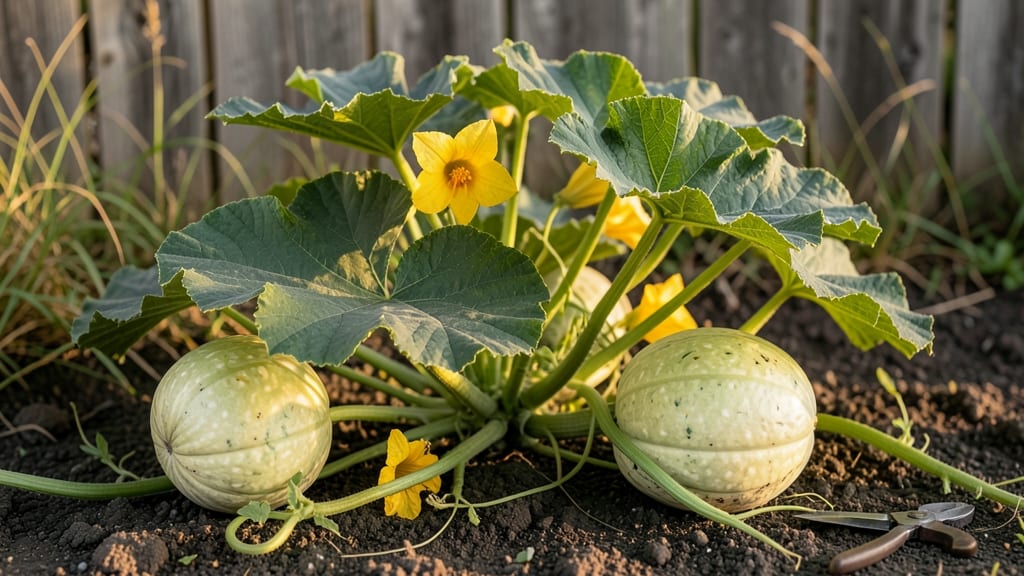
Growing a spaghetti squash plant that keeps producing through multiple harvests starts with the right approach—because this isn’t your average summer crop. 🌱 I’ve grown mine for three seasons now, and the difference between a one-time harvest and a year-round supply comes down to how you handle the vines, soil, and timing.
The key isn’t just planting; it’s understanding when to trim, how to feed the plant, and what to watch for when those first tendrils appear.
The secret weapon here is patience paired with precision. Spaghetti squash thrives in warm soil (70°F or above) and needs full sun (6-8 hours daily), but most gardeners rush the process—planting too early or crowding the vines.
My first year, I followed the seed packet’s "plant in spring" advice and ended up with bitter, underdeveloped fruit. Since then, I’ve learned to wait until after the last frost, use well-draining soil mixed with compost, and give each plant 3-4 feet of space to sprawl. The payoff?
A vine that keeps producing for months, not just one harvest.
By mid-summer, you’ll see those classic yellow flowers give way to foot-long squash with a texture that’s nothing like store-bought.
The trimming tips I’ve perfected—like pinching back vines after the first harvest to encourage new growth—mean you can keep harvesting every 2-3 weeks through fall and even into winter in warmer climates. The flavor? Richer than anything you’ve tried, with strands that separate like al dente pasta.
Here’s how to make it happen without the guesswork.
This method works whether you’re growing in raised beds, containers (with trellises), or straight in the ground. The only real variable is your climate—adjust planting times if you’re in Zone 3 or later, and protect young plants from pests like squash bugs with row covers.
Once you’ve mastered the basics, you’ll wonder why you ever bought spaghetti squash at the store. Let’s get those seeds in the ground—or at least in your shopping cart.
📚 In This Guide
- What you need
- Instructions
- Tips and common mistakes
- Wrapping up and next steps
What you need
- ● Speghetti squash seeds: 3–5 seeds per plant (or 1–2 seeds if starting indoors). Choose Cucurbita pepo varieties like 'Golden Spaghetti' or 'Vegetable Spaghetti'.
- ● Growing containers or garden bed: Containers: 5-gallon pots or larger (at least 12" deep) with drainage holes. 3–5 plants per container (if spaced 2–3 ft apart).
- ● Garden bed: Full sun (6–8 hours/day), well-draining soil with a pH of 6.0–7.0. Space plants 3–4 ft apart in rows 5–6 ft apart.
- ● High-quality potting mix or garden soil: Amend with compost (50% soil, 50% compost) for nutrients.
- ● Fertilizer: Balanced 10-10-10 or organic options like compost tea or worm castings. Apply at planting and again when vines start to run.
- ● Mulch: Straw or shredded leaves to retain moisture and suppress weeds.
- ● Watering can or hose with a gentle spray nozzle: Speghetti squash needs 1–2 inches of water per week.
- ○ Garden twine or stakes (optional but helpful): Vines can grow 6–10 ft long—support them to keep fruit off the ground.
- ● Seedling heat mat: If starting indoors, speeds up germination (70–90°F ideal).
- ● Row covers or netting: Protects young plants from pests like squash bugs.
- ● Pruning shears: For trimming excess vines or leaves (we’ll cover this in our 3 key trimming tips!).
- ● Soil tester kit: Ensures your pH and nutrient levels are perfect.
- ● Garden journal: Track planting dates, watering, and harvest times for future success!
Instructions for growing and pruning speghetti squash for continuous harvest
Here’s how to keep your spaghetti squash productive all season with simple pruning techniques.
🌱 Step 1: Plant in Warm Soil and Full Sun
Start by planting seeds or transplants in well-draining soil after the last frost when soil temperatures reach at least 60°F. Speghetti squash thrives in full sun (6-8 hours daily) and needs space—plant 4-6 feet apart in rows 5-6 feet apart to allow vines to spread. The larger the root system, the more squash you’ll harvest.
Water deeply 1-2 inches per week, keeping soil consistently moist but not soggy. Mulch with 2-3 inches of straw or shredded leaves to retain moisture and prevent weeds. You’ll know your plants are happy when they produce large, lobed leaves and begin flowering within 45-55 days of planting.
✂️ Step 2: Prune Vines to Encourage Fruit Production
Once vines reach 3-4 feet long, start pruning to redirect energy toward fruit growth. Use clean, sharp pruners to trim back 10-15% of the vine length, focusing on leggy or overgrown sections. This prevents overcrowding and improves airflow, reducing disease risk.
Remove any yellowing or diseased leaves immediately—they spread problems fast. Prune in the early morning when plants are hydrated, and avoid cutting into woody stems. You’ll see stronger, bushier vines within 2-3 weeks, with more flowers and squash developing along the remaining growth.
🌿 Step 3: Harvest and Prune for Year-Round Production
Harvest squash when the skin turns dull yellow and feels hard when pressed—usually 85-100 days after planting. Cut stems with 2-3 inches of vine attached to avoid damaging the plant. After harvest, prune one main vine back by half to stimulate new growth and additional fruit.
Continue this process every 2-3 weeks during peak season. Prune only healthy vines and avoid over-trimming—leave at least half the vine intact to maintain photosynthesis. With consistent pruning, you’ll extend the harvest window well into fall, even in cooler climates.
⏰ Step 4: Winter Care for Next Season’s Growth
In colder regions, mulch heavily with 4-6 inches of straw before the first frost to protect roots. Speghetti squash is semi-hardy and can survive light frosts, but extreme cold will kill the plant. In warmer areas, continue light pruning to manage growth and encourage late-season fruit.
Mark pruning spots with small stakes to avoid over-trimming in future seasons. Healthy plants will regrow quickly in spring, producing even more squash if given proper care. You’ll recognize a well-maintained plant by its compact, productive vines and abundant fruit year after year.
Tips & tricks for year-round speghetti squash harvest
These simple tricks will help you maximize your spaghetti squash plant's productivity throughout the entire growing season.
The Heat Factor: The 60°F soil temperature threshold in Step 1 is critical—planting too early can stunt growth. Use a soil thermometer to confirm temps before planting. In cooler climates, consider using black plastic mulch 1-2 weeks before planting to warm the soil faster. This helps kickstart growth and gets you to that crucial 45-55 day flowering window sooner.
Pruning Precision: When you're trimming back those 10-15% of vine length in Step 2, focus on the outer growth first. This creates better airflow and prevents fungal diseases. I've found that cutting just above a leaf node (where leaves grow) encourages new growth from that exact spot. Always use clean pruners to avoid spreading disease between plants—wipe them with rubbing alcohol between cuts.
Harvest Timing Secret: The 85-100 day window for harvesting might seem wide, but there's a visual cue: look for that dull yellow color and firmness when pressed. If you harvest too early, the squash will be watery and stringy inside. If you wait too long, the skin becomes tough. I like to harvest on cloudy days—the cooler temps help preserve the squash better after cutting.
Winter Strategy: For that 4-6 inch mulch in Step 4, don't use fresh grass clippings—they can mat down and trap moisture, leading to rot. Straw or shredded leaves work best. In warmer climates, continue light pruning through fall to encourage late-season fruit. I've had plants produce squash right up until the first hard frost with this approach.
Pro Tips for Speghetti Squash Plant
- These simple tricks will help you maximize your spaghetti squash plant's productivity throughout the entire growing s...
- The Heat Factor: The 60°F soil temperature threshold in Step 1 is critical—planting too early can stunt growth. Use a...
- Pruning Precision: When you're trimming back those 10-15% of vine length in Step 2, focus on the outer growth first. ...
Frequently asked questions
Got questions about growing your own spaghetti squash plant? You’re not alone! Here are some of the most common queries—and their answers—to help you cultivate this unique, low-maintenance veggie like a pro.
How long does it take for a spaghetti squash plant to produce fruit?
A spaghetti squash plant typically takes 90–110 days from seed to harvest, depending on your climate and variety. If you’re starting from seeds, expect the first fruits in late summer or early fall. For a longer harvest window, opt for early-maturing varieties or extend the season with row covers.
Can you grow spaghetti squash in containers, or does it need a garden bed?
Yes! Spaghetti squash thrives in containers if given enough space—aim for a 5-gallon pot or larger with drainage holes. Use a lightweight potting mix and place the container in a spot with full sun (6+ hours/day). Just be prepared for slightly smaller yields compared to in-ground planting.
What are the most common pests or diseases affecting spaghetti squash plants, and how do I prevent them?
Watch for cucumber beetles, squash bugs, and powdery mildew. To prevent issues:
- Use row covers early in the season to block pests.
- Rotate crops yearly to avoid soil-borne diseases.
- Apply neem oil or insecticidal soap if pests appear.
- Ensure good airflow between plants to reduce mildew.
How do I overwinter a spaghetti squash plant, or can I grow it as a perennial?
Spaghetti squash is an annual plant, so it won’t survive winter in most climates. However, you can:
- Harvest seeds from mature squash to replant next season.
- Grow it in warm climates (Zones 9–11) year-round with minimal protection.
- Start seeds indoors 4–6 weeks before the last frost for an early spring harvest.
What’s the best way to store harvested spaghetti squash?
Store whole, uncut squash in a cool (50–55°F), dark, and dry place for up to 3 months. Avoid refrigeration, as it can cause spoilage. Once cooked, eat within 3–5 days or freeze the strands for later use. For longer storage, try pickling or dehydrating the squash strands!
Wrapping up and next steps
Growing a spaghetti squash plant is a rewarding journey that brings year-round harvests and delicious, nutritious rewards to your table! 🌱 With the right trimming techniques—like pruning vines, managing side shoots, and thinning fruit—you’ll keep your plant thriving and productive.
Plus, its low-maintenance nature makes it perfect for both beginners and seasoned gardeners.
Ready to dive in? Start by gathering your supplies, then plant with confidence! Your first harvest could be just weeks away—so why wait? Grab your gloves, head to the garden, and let the spaghetti squash magic begin! 🍽️✨