
Companion Plants
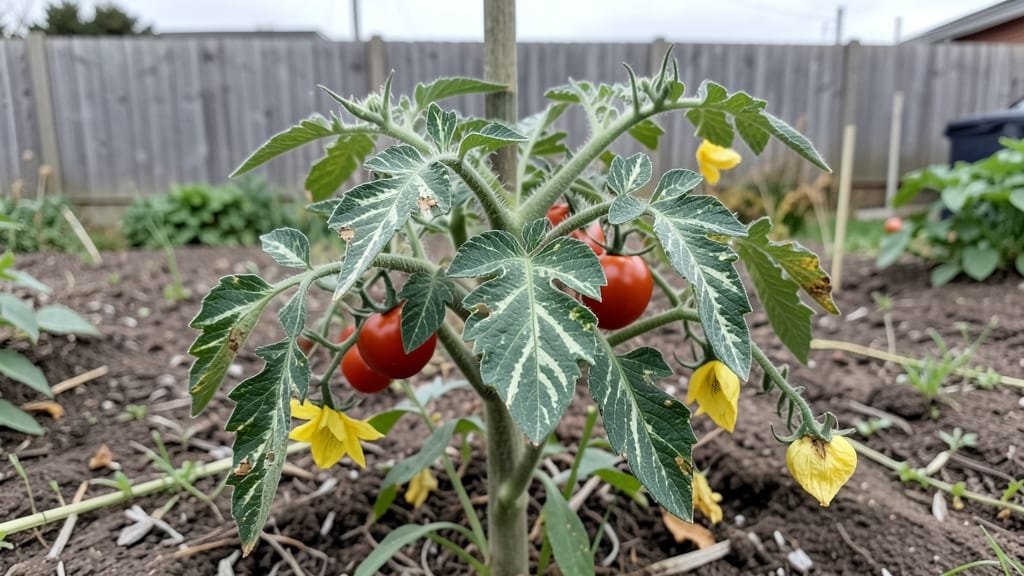
My stripey tomato plants finally made sense after I learned the pruning tricks that turn leggy stems into bushy, productive bushes. 🌱 The key isn't just cutting back—it's strategic pruning that boosts airflow and redirects energy where you want it.
I've been growing tomatoes for years, and this one technique doubled my harvest last season by keeping plants compact and healthy.
Most gardeners focus on removing suckers, but the real game-changer is pruning the right way: at the first true leaf, never leaving stubs, and always using clean shears. You'll need sharp pruners, a spray bottle for watering cuts, and about 20 minutes per plant every two weeks.
The payoff comes when your plants stop stretching toward the sky and start filling out with thick, sturdy stems ready to support heavy fruit.
What you end up with is a tomato plant that looks like a well-behaved shrub instead of a tangled mess. The leaves stay green longer, the fruit ripens more evenly, and you avoid the heartbreak of snapped stems under the weight of too many tomatoes.
This method works for both determinate and indeterminate varieties, though the timing differs slightly between them.
Fair warning: the first few times, you might over-prune and stress your plants. But once you get the rhythm, you'll notice the difference in just a few weeks—thicker stems, more branches, and tomatoes that actually stay on the plant until they're ready to pick.
Here's how to do it right the first time.
📚 In This Guide
- What you need
- Instructions
- Tips and common mistakes
- Wrapping up and next steps
What you need
- ● Stripey tomato seedlings or seeds – Choose heirloom or hybrid varieties with striped foliage (e.g., 'Indigo Rose' or 'Black Krim'). Quantity: 2–4 plants per container or 6–8 plants per raised bed.
- ● Well-draining potting mix or garden soil – Specs: Rich in organic matter, pH 6.0–6.8. For containers, use a blend of 60% potting soil + 30% compost + 10% perlite.
- ● Containers or garden space – Containers: 5-gallon pots or larger (minimum 12" diameter per plant). Drainage holes are a must!
- ● Garden beds: Full sun (6–8+ hours/day) with at least 18" spacing between plants.
- ● Pruning shears or sharp bypass pruners – Specs: Clean, sterilized blades (7–9" length) to avoid disease spread.
- ○ Garden twine or tomato cages – Optional but helpful: For support as plants grow (3–4 ft tall).
- ● Balanced fertilizer (10-10-10 or 5-5-5) – Use: 1 tbsp per plant every 4–6 weeks during growing season.
- ● Mulch (straw or shredded leaves) – Purpose: Retains moisture and suppresses weeds.
- ● Compost tea or fish emulsion – Boosts microbial activity for healthier roots.
- ● Growth regulator (e.g., seaweed extract) – Encourages bushier, more compact growth.
- ● Reflective mulch film – Enhances pollination and deters pests.
- ● Plant markers – Label your stripey varieties to track pruning progress!
How to prune tomato plants for bushier, stripey growth
Here’s the method I use to transform leggy tomato plants into sturdy, productive bushes with those prized stripey stems—the secret to better airflow and bigger yields.
✂️ Step 1: Identify and Remove Suckers Early
Start when your plants are 12-18 inches tall—that’s when suckers (the tiny shoots in the leaf axils) first appear. These are the weak side stems that steal energy from your main plant. Pinch them off cleanly with your fingers or sharp pruners, leaving no stub. I always check the underside of leaves too—suckers love hiding there.
Real talk: If you wait until suckers are 3+ inches long, you’ll have to prune back to the main stem, wasting growth. The goal is to keep your plant focused on the main stem and lower branches, which will thicken and develop those coveted stripes over time.
☀️ Step 2: Prune for Light Penetration and Airflow
Once your plant hits 3-4 feet tall, it’s time to shape it. Remove any leaves that shade the lower stem—these are the ones that block sunlight and trap moisture, leading to disease. I start at the bottom and work upward, cutting leaves that would cast shadows on the main stem or fruit clusters.
Here’s the thing—you want the middle third of the plant to be mostly bare. This forces energy into the lower branches where the stripes form and where most of your fruit will develop. Just don’t go overboard; leave enough foliage to protect the fruit from sunburn.
🌿 Step 3: Encourage Thickening with Strategic Pruning
When your plant reaches 5-6 feet tall, focus on the main stem. Cut back the top 1-2 inches to encourage branching. This is where those stripes really start showing—thicker stems mean more structural support and better fruit production. I also remove any weak or crossing branches that rub against each other.
Watch for new growth sprouting from the leaf axils of the lower branches. These are your future stripey stems! Let them grow to 6-8 inches before pinching them back to encourage bushiness. The more you prune strategically, the more your plant will compensate by thickening its remaining stems.
⏰ Step 4: Maintain Through the Season
Every 2-3 weeks, do a quick check for new suckers or overcrowded leaves. Prune aggressively in the morning so wounds have all day to heal. I always sterilize my pruners with rubbing alcohol between cuts to prevent disease spread.
As your plant matures, you’ll notice the main stem and lower branches developing those thick, striped patterns. This isn’t just for looks—it’s a sign of a strong, productive plant. Stop pruning when flowers appear, unless you’re dealing with disease or pest issues.
Tips & tricks for perfect stripey tomato plants
A few simple tricks will help you transform leggy tomato plants into sturdy, stripey powerhouses that produce bigger yields and better airflow.
Timing is Everything: In Step 1, when your plants reach 12-18 inches tall, don't wait to remove those tiny suckers—act immediately. I've seen gardeners miss this window, and by the time they notice suckers at 3+ inches, they've already stolen energy from the main stem. Those early suckers are sneaky—they often hide on the underside of leaves, so check thoroughly.
Strategic Pruning for Stripes: The key to those coveted stripey stems happens in Step 3 when you focus on the main stem at 5-6 feet. Cut back just the top 1-2 inches—this small action signals the plant to redirect energy downward, thickening those lower branches where the stripes form. Don't be afraid to get aggressive with crossing branches either; they'll compete with your main stems for nutrients.
Seasonal Maintenance: The 2-3 week maintenance check in Step 4 is non-negotiable. I schedule these pruning sessions on my phone calendar—it's easy to forget in the busy gardening season. Always prune in the morning so any cuts have maximum time to heal before evening, reducing disease risk. I keep rubbing alcohol in my gardening toolkit for quick sterilization between cuts.
Visual Cues for Perfect Pruning: In Step 2, when shaping your plant at 3-4 feet, aim for that "mostly bare middle third" look. Imagine looking at your plant from the side—you should see sunlight streaming through the center. This open structure prevents moisture buildup that leads to fungal diseases while directing energy to the fruit-producing lower branches. The stripes will start showing when you see those lower branches thickening noticeably.
Pro Tips for Stripey Tomato Plants
- A few simple tricks will help you transform leggy tomato plants into sturdy, stripey powerhouses that produce bigger yields and better airflow.
- Timing is Everything: In Step 1, when your plants reach 12-18 inches tall, don't wait to remove those tiny suckers—act immediately.
- Strategic Pruning for Stripes: The key to those coveted stripey stems happens in Step 3 when you focus on the main stem at 5-6 feet.
Frequently asked questions
Got questions about stripey tomato plants and pruning? You’re not alone!
Here are some of the most common queries—and their practical answers—to help you grow a thriving, bushy plant with those gorgeous stripes.
Why do my tomato plants have stripes?
Those stripey patterns are a natural response to sunlight! When plants grow in shaded spots or under fluctuating light (like dappled sunlight through trees), they develop vertical stripes to maximize photosynthesis. It’s not a disease—just a quirky adaptation. Embrace the uniqueness!
When is the best time to prune stripey tomato plants?
Start pruning after your plants have 4-5 sets of true leaves (about 10-14 days post-transplant). For indeterminate varieties, pinch off suckers (the shoots in the leaf axils) regularly to encourage bushier growth. Pro tip: Avoid heavy pruning late in the season—it can stress the plant before harvest.
Can I still prune if my stripey tomato has fruit already?
Light pruning (removing only small suckers or yellowing leaves) is safe even when fruit is forming. Just avoid cutting into the main stem or large branches. Focus on airflow—thin out crowded foliage to prevent disease and improve ripening.
What should I do if my stripey tomato plant looks leggy?
Leggy plants need a boost! Try these fixes:
- Move it to a sunnier spot (6+ hours of light daily).
- Prune strategically—cut just above a leaf node to encourage branching.
- Use a cage or stake to support growth and improve light exposure.
Will pruning stripey tomatoes affect fruit production?
Not if done right! Pruning promotes fruit by redirecting energy to existing branches and improving airflow. However, over-pruning (removing >30% of foliage at once) can reduce yields. For stripey varieties, focus on selective pruning—keep 3-4 main stems and trim only suckers smaller than a pencil.
Are there stripey tomato alternatives if pruning seems too tricky?
Yes! Try these low-maintenance stripey-friendly varieties:
Variety
Type
Notes
Black Krim
Indeterminate
Striped stems, cold-hardy, and prolific.
Striped Roman
Determinate
Bushy, stripey foliage, great for containers.
Green Zebra
Indeterminate
Classic stripes, heat-tolerant, and disease-resistant.
Wrapping up and next steps
Growing stripey tomato plants with lush, bushy foliage is totally within your reach—just a little pruning and patience go a long way! 🌱 By mastering the art of selective trimming, you’ll encourage stronger stems, better airflow, and a bountiful harvest.
Remember, every snip is a step toward healthier plants and tastier tomatoes.
Now that you’re armed with the know-how, roll up your sleeves and get pruning! Start small, observe your plants’ progress, and adjust your technique as needed. Happy gardening—your future tomato feasts are waiting! 🍅✨