How To
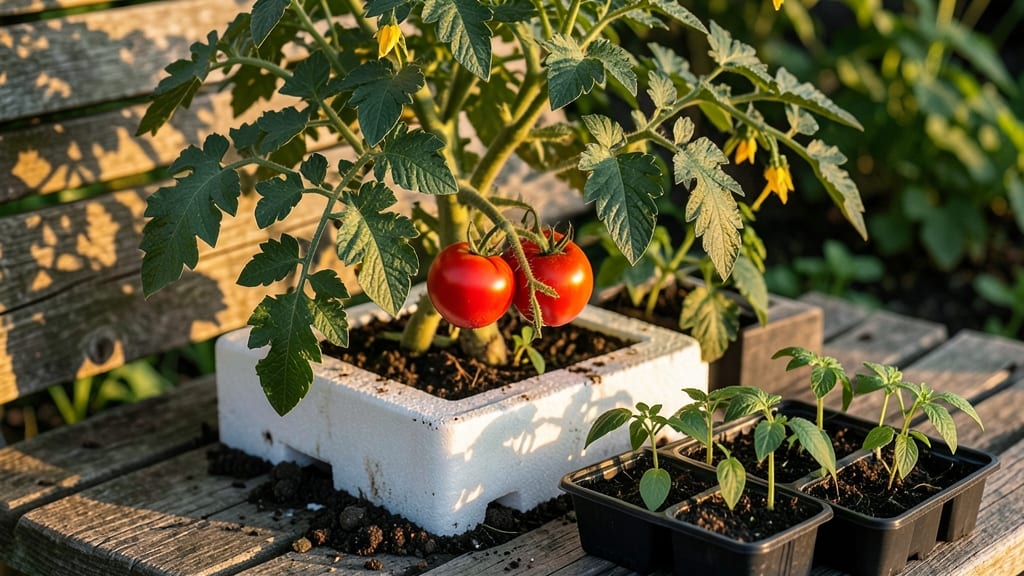
Using styrofoam for planting offers lightweight, moisture-retentive seedling starters that boost germination rates and prevent soil compaction, though its environmental impact and potential chemical risks raise concerns for eco-conscious gardeners.
This material excels at creating ideal growing conditions for delicate seedlings by trapping warmth and moisture while allowing roots to spread freely.
The air pockets in styrofoam mimic natural soil aeration, which is especially helpful for finicky plants like herbs or lettuce. 🌱 However, its non-biodegradable nature and potential leaching of styrene—an industrial chemical—mean many gardeners now seek biodegradable alternatives like coconut coir pots or recycled paper trays instead.
For those who prefer styrofoam, repurposing old trays by cutting them into custom shapes or reusing them multiple seasons can reduce waste. Just avoid planting edible crops directly in reused trays, as chemical residues may linger. The trade-off between convenience and sustainability often comes down to your gardening priorities.
💡 In This Article
- How Styrofoam Benefits Seedling Growth
- Environmental and Safety Concerns with Styrofoam Planters
How styrofoam benefits seedling growth
The secret to styrofoam's success as a seedling starter lies in its unique cellular structure. Each cubic inch contains thousands of tiny air pockets that create a 70-90% air-to-soil ratio, far exceeding what dense planting mediums like peat pots can achieve.
This aeration is critical because young roots need oxygen to develop properly—without it, they suffocate and rot. The closed-cell design also prevents soil compaction, which can crush delicate root hairs and restrict nutrient uptake during the critical first 10-14 days of growth.
Temperature regulation works like a greenhouse in miniature. Styrofoam's insulating properties maintain soil warmth 5-10°F warmer than ambient air, creating optimal germination conditions (typically 65-75°F for most seeds).
The material's low thermal conductivity means it absorbs heat during the day and releases it slowly at night—ideal for cool-season crops like broccoli or cabbage.
Unlike peat pots, which dry out quickly, styrofoam traps moisture through capillary action while allowing excess water to drain, preventing the waterlogged conditions that cause damping-off disease in seedlings.
The material's lightweight nature makes it perfect for seedling trays. A standard 10x20-inch styrofoam tray weighs just 2-3 pounds when empty, compared to 5-7 pounds for equivalent ceramic or plastic options. This weight difference matters when moving trays between greenhouse and outdoor hardening-off areas.
The rigid structure also provides physical support for tall, leggy seedlings like tomatoes or peppers, preventing them from toppling over as they reach for light.
Comparing to alternatives reveals trade-offs. Peat pots offer biodegradability but compress when wet, reducing aeration by 20-30%. Coconut coir pots provide excellent moisture retention but lack the structural integrity of styrofoam for heavy soils.
The styrofoam's neutral pH (6.5-7.5) also means it won't alter soil chemistry like some biodegradable materials that release acids during decomposition. For gardeners prioritizing seedling health over environmental impact, styrofoam's combination of aeration, insulation, and stability makes it a powerful tool in the early growth stages.
What most gardeners don't realize is how the material's texture actually mimics natural soil conditions. The coarse, granular surface of styrofoam creates micro-crevices where beneficial soil microbes can establish colonies, similar to how organic matter in garden soil provides habitat for microbial life.
These microbes help break down organic matter and make nutrients available to young plants. The closed-cell structure also prevents weed seeds from germinating within the planting medium, giving your seedlings an unobstructed growing environment.
For maximum benefits, consider cutting styrofoam trays into 2-inch square cells using a heated wire or box cutter. This creates individual pots with 1.5-inch deep rooting space—perfect for small seeds like lettuce or carrots. The resulting edges are smoother than those of peat pots, reducing root damage during transplanting.
When used properly, styrofoam can give seedlings a 2-3 week head start compared to direct sowing in garden beds, where they're more vulnerable to pests and temperature fluctuations.