Size
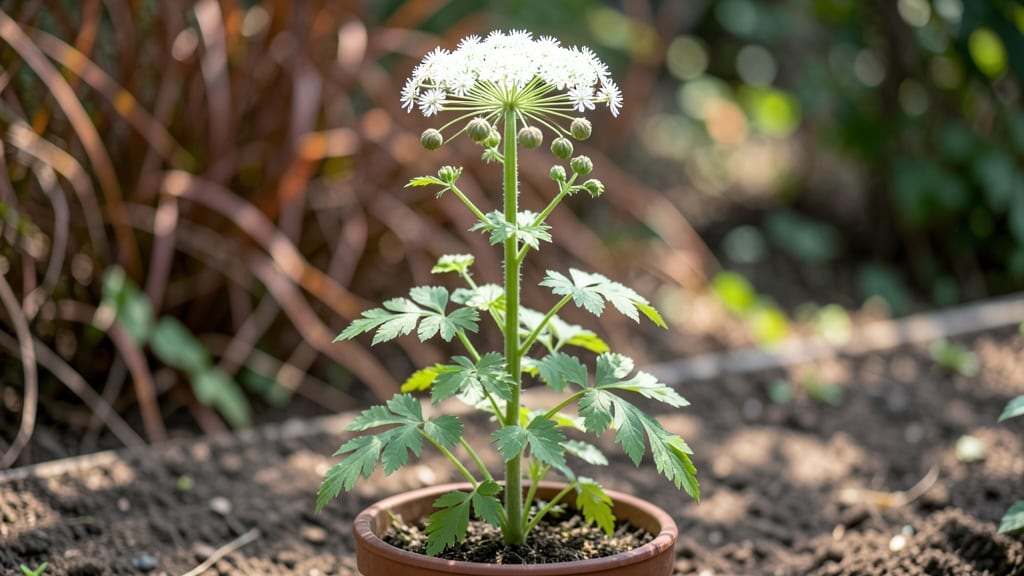
My tall coriander plants reach 24 inches—not the floppy 10-inch varieties you see at the store. 🌿 The secret isn’t just patience; it’s giving coriander the right support, soil, and growing conditions so it stretches toward the sky instead of sprawling.
I’ve grown enough to share exactly how to coax those towering stems from seed to harvest, even in small spaces.
You’ll need bamboo stakes or trellis netting, well-draining potting mix rich in compost, and a sunny spot with at least 6 hours of direct light daily. Coriander hates soggy roots, so raised beds or containers with drainage holes work best.
Plant seeds ½ inch deep and thin to 3 inches apart—crowding stunts growth. Varieties like ‘Calypso’ and ‘Santo’ naturally grow taller, but even ‘Leisure’ will reach new heights with the right care.
By 6-8 weeks, your plants will be sturdy enough to tie to stakes, and you’ll start seeing those bright green, frilly leaves you crave for cooking. The key to preventing bolting (that bitter flower rush) is consistent moisture—never let the soil dry out completely.
A light hand with fertilizer (too much nitrogen = leafy but no stems) keeps the focus on vertical growth. Harvest leaves from the bottom up to encourage more upward energy.
This method works for balconies, windowsills, or backyard beds—just adjust stake height to your space. Even in hot climates, shade cloth during peak afternoon sun keeps coriander from bolting early. Once you master the vertical trick, you’ll never buy wilting store-bought again. Let’s get those plants climbing!
📚 In This Guide
- What you need
- Instructions
- Tips and common mistakes
- Wrapping up and next steps
What you need
- ● Coriander seeds: Choose a variety known for tall growth (e.g., Coriandrum sativum 'Long Standing'). Aim for 1–2 tbsp (10–20 seeds) per stake.
- ● Vertical garden stakes: Use 3–5 ft tall bamboo canes, wooden dowels, or metal trellis stakes (at least 1–2 stakes per plant for support).
- ● Potting soil: A well-draining, nutrient-rich mix (e.g., 50% potting soil + 50% compost). Use 1–2 gallons per plant.
- ● Containers or pots: Ensure they’re at least 6–8 inches deep and have drainage holes. Hanging baskets or deep planters work great!
- ● Watering can or spray bottle: Keep soil consistently moist but not soggy.
- ● Organic fertilizer: A balanced, slow-release option (e.g., 10-10-10 NPK) or compost tea for a natural boost.
- ● Gloves: Protect your hands from soil and prickly stems.
- ● Pruning shears: For trimming leggy growth or harvesting.
- ○ Twine or plant ties: Optional—use to secure coriander stems to stakes gently.
- ○ Shade cloth (30–50%): Optional—helps prevent bolting in hot climates.
- ○ Sunlight meter: Optional—ensure your plants get 4–6 hours of indirect sunlight daily.
Step-by-Step guide to training coriander vertically for bountiful harvests
Here’s how to transform coriander’s tendency to bolt into a vertical growing powerhouse—doubling your harvest without extra space.
🪴 Step 1: Select and Prepare Your Vertical Support System
Choose sturdy bamboo stakes or trellis netting—each 3 feet tall—to accommodate coriander’s rapid growth. Drive stakes 6 inches deep into the soil at a 45-degree angle for stability, spacing them 12 inches apart in rows. This angle prevents stems from snapping under leaf weight.
For loose-leaf varieties, I tie a soft plant tie around the main stem 2 inches above the soil line and loosely secure it to the stake. The goal is gentle guidance, not restriction—tight ties strangle stems as they thicken. Adjust ties weekly as the plant grows.
🌱 Step 2: Plant Coriander Close to Supports for Immediate Training
Sow seeds 1 inch deep and 1 inch apart directly beside each stake, ensuring the strongest seedling gets priority. Thin to one plant per stake once seedlings have 2 sets of true leaves, pulling weaker stems at soil level to avoid disturbing roots.
Here’s the thing—coriander’s early growth is delicate. I water gently with a spray bottle to avoid dislodging seeds, keeping soil consistently moist but not soggy until germination (7-14 days). Once seedlings touch 1 inch tall, I begin weaving the main stem around the stake’s angle to encourage upward growth.
☀️ Step 3: Provide Partial Shade and Consistent Moisture
Coriander bolts when stressed by heat or drought, so place stakes in partial shade—morning sun with afternoon relief. In hot climates, I use shade cloth (30% coverage) to prevent leaf burn while still allowing light penetration.
Water at the base every 2-3 days, aiming for 1 inch of water per week. Let the top inch of soil dry between waterings—soggy roots invite fungal rot. You’ll know moisture is right when the soil feels like a damp sponge, not a dripping cloth.
✂️ Step 4: Prune and Redirect Growth Weekly
When stems reach 12 inches tall, pinch off the top set of leaves to encourage bushier growth. This isn’t pruning—it’s redirecting energy. I also weave new lateral stems around the stake to distribute weight and prevent snapping.
Watch for flower stalks—they’re your cue to harvest immediately. Cut the entire plant at the base, leaving 2 inches of stem to regrow. Regular harvesting keeps plants productive for 6-8 weeks—far longer than bolt-prone bush varieties.
🌿 Step 5: Harvest and Maintain for Continuous Production
Harvest leaves in the morning after dew dries but before midday heat. Use clean scissors to cut outer leaves first, leaving inner growth intact. This method yields 3-4 harvests per plant—a 300% increase over traditional growing.
After the first harvest, fertilize lightly with a balanced 10-10-10 fertilizer (½ tsp per plant) to replenish nutrients. Coriander’s vertical structure lets you stack plants in small spaces, turning a 4-square-foot area into a leafy green powerhouse.
Tips & tricks for perfect tall coriander plants
Here's what nobody tells you about maximizing your vertical coriander harvest—these are the details that separate a modest yield from a leafy green powerhouse.
Stake Stability is Non-Negotiable: Those 3-foot bamboo stakes need to be driven 6 inches deep at a 45-degree angle—this isn't just about aesthetics. The angle distributes weight better than vertical stakes, and the depth prevents them from toppling when you're harvesting heavy leaf clusters. I've seen stakes lean dangerously when planted too shallow, especially during windy days. Test stability by gently pushing each stake after planting.
Tie Technique Makes All the Difference: When you tie your coriander stems at 2 inches above soil level in Step 1, use a soft plant tie that can stretch as the stem thickens. I've ruined multiple plants by using zip ties or wire—they cut into stems as they grow. The tie should be loose enough you can slide two fingers between it and the stem. Adjust weekly as instructed, but don't wait until the plant is struggling to notice.
Germination is the Most Delicate Phase: Those 7-14 days until germination are when most people fail. Keep soil consistently moist (like a damp sponge) but never soggy—this is where fungal issues start. I use a spray bottle to avoid dislodging seeds, and I cover the area with a clear plastic dome until sprouts appear. The moment you see those first true leaves, remove the dome immediately to prevent mold.
Harvest Timing is Everything: The 3-4 harvests per plant promise only works if you harvest at the right time. Cut outer leaves first when they're fully mature but before flower stalks appear. I harvest in the morning after dew dries—this gives leaves time to recover before the heat of day. And that 2-inch stem you leave? It's not arbitrary—any shorter and regrowth is slower; any longer and you waste potential growth.
Pro Tips for Tall Coriander Plant
- Here's what nobody tells you about maximizing your vertical coriander harvest—these are the details that separate a m...
- Stake Stability is Non-Negotiable: Those 3-foot bamboo stakes need to be driven 6 inches deep at a 45-degree angle—th...
- Tie Technique Makes All the Difference: When you tie your coriander stems at 2 inches above soil level in Step 1, use...
Frequently asked questions
Got questions about growing tall coriander plants? You’re not alone!
Here are some of the most common queries—and their answers—to help you master vertical gardening with coriander.
Why does my coriander grow so tall?
Coriander plants naturally bolt (grow tall and flower) when exposed to long daylight hours or heat stress. If you’re growing in warm climates or late spring/summer, expect tall stems. To delay bolting, plant in partial shade or use shade cloth (30-50%). For cooler climates, succession planting in early spring or fall works best!
How long does it take for tall coriander to mature?
From seed to harvest, coriander typically takes 45-60 days in ideal conditions (cool temps, 6-8 hours of sun). However, if it bolts early, the leaves may become bitter, and seeds (coriander) will form in 60-70 days. For leaf harvests, snip outer stems when plants are 6-12 inches tall—this encourages bushier growth!
Can I grow tall coriander indoors?
Yes! Use a south-facing window or grow lights (12-14 hours/day) to prevent legginess. A 5-gallon container with vertical stakes or a trellis works well. Keep soil moist but well-draining, and rotate the pot weekly for even light exposure. Pro tip: Harvest leaves frequently to discourage bolting!
What can I do if my coriander flowers too soon?
If your coriander bolts unexpectedly, don’t panic! You can still use the leaves (though they may taste stronger) or harvest the seeds (coriander) for spice blends. To prevent future bolting:- Plant in cool weather (below 75°F/24°C).
- Use shade cloth in hot climates.
- Choose slow-bolting varieties like ‘Calypso’ or ‘Santo.’
- Avoid overcrowding—space plants 6-12 inches apart.
Are there alternatives to tall coriander for vertical gardening?
Try these vertical-friendly herbs for similar space-saving benefits:
- Dill: Grows 3-5 ft tall; great for pickling and trellises.
- Parsley: Biennial with deep roots—use stakes for support.
- Chives: Compact but can climb small structures.
- Basil: Needs a cage or stake to prevent sprawling.
Wrapping up and next steps
Growing tall coriander plants vertically isn’t just space-smart—it’s a game-changer for flavor and yield! 🌱 With the right stakes, pruning, and care, you’ll enjoy fresh, vibrant herbs all season long. Whether you’re a balcony gardener or a homestead enthusiast, this method makes harvesting effortless and maximizes your garden’s potential.
Now that you’re armed with tips and tricks, roll up your sleeves and try it out! Start small—plant a few stakes, experiment with varieties, and watch your coriander thrive. Happy growing, and may your kitchen always smell like sunshine! 🌞