
Pests
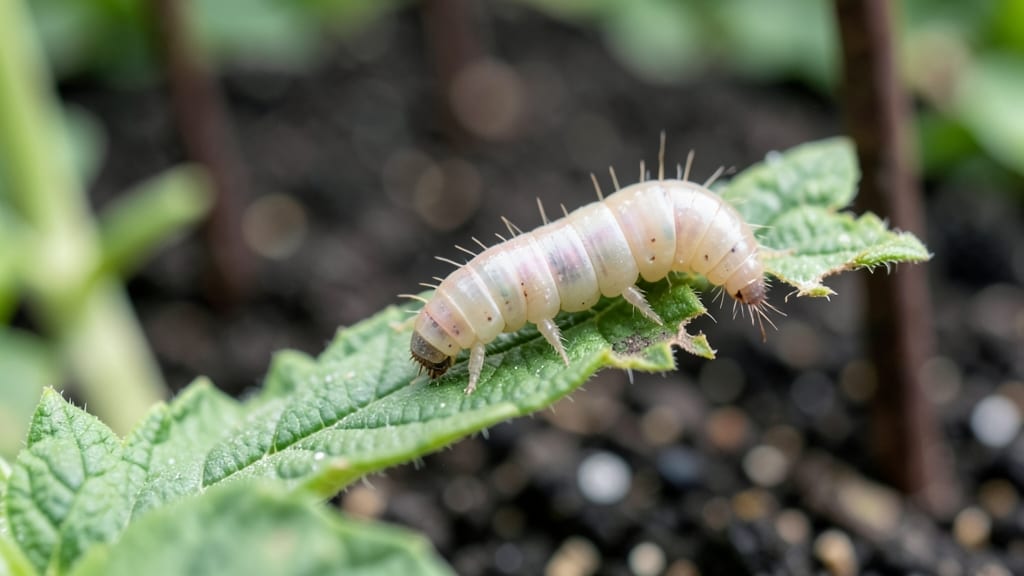
Nothing ruins a tomato harvest faster than hidden grubs munching away at your vines. 🌱 I’ve lost entire plants to these sneaky pests, but I’ve also learned how to stop them without harsh chemicals—starting with a simple, effective spray that keeps tomatoes thriving.
The damage often starts underground, where wireworms or cutworm larvae chew roots, or above ground as they devour leaves at night. You’ll spot wilting plants, jagged holes in foliage, or even seedlings collapsing overnight.
My go-to spray mixes neem oil with a touch of dish soap—it smothers grubs on contact while keeping your tomatoes safe to eat.
Within a week of consistent spraying, you’ll see new growth pushing through, leaves staying intact, and plants putting energy into fruit instead of repair. The key is applying it in the evening when grubs are most active, and repeating every 5-7 days until harvest.
No more mystery wilting—just healthy, productive vines.
This method works for raised beds, containers, or in-ground gardens, and pairs well with other organic defenses like row covers or beneficial nematodes. Let’s get those tomatoes back on track—naturally.
Hidden Culprits Behind Grub Damage
When your tomato plants start looking ragged—chewed leaves, stunted growth, or wilting vines—it’s often a sign of underground invaders. These tiny but destructive pests, commonly called grubs, thrive in garden soil and can turn your hard work into a buffet.
But why do they target your tomato plants in the first place? Let’s dig into the science behind their behavior and the conditions that make your garden their perfect home.
Grubs, particularly those from beetles like the Japanese beetle or June beetle, are drawn to soil that provides the ideal mix of moisture, organic matter, and warmth. Here’s why your garden might be a grub magnet:
- Rich, Loamy Soil: Grubs prefer well-draining but moisture-retentive soil. If your garden has plenty of compost or decaying plant matter, it signals to beetles that their larvae (grubs) will have a steady food source. Actionable tip: Test your soil’s organic content—if it’s too high, amend it with sand or perlite to disrupt grub-friendly conditions.
- Overwatered Areas: Grubs need moisture to survive, and soggy soil is a red flag for beetles. If your tomato plants are in a low-lying spot where water pools, you’re creating a grub paradise. Actionable tip: Improve drainage by mounding soil around plants or installing French drains.
- Warm, Southern Exposures: Grubs thrive in temperatures between 60–85°F (15–29°C). If your garden gets full sun and heats up quickly, it’s a prime breeding ground. Actionable tip: Use mulch (like straw or wood chips) to regulate soil temperature and deter beetles from laying eggs.
Grubs don’t appear out of nowhere—they’re the larval stage of beetles that follow a precise life cycle. Understanding their timeline helps you predict and prevent infestations:
| Stage | When It Happens | Why It Matters |
|---|---|---|
| Adult Beetle Emergence | Late spring to early summer (varies by species) | Beetles fly in to feed on foliage (like tomato leaves) and mate. Females then lay eggs in the top 2–3 inches of soil. |
| Egg Hatching | 1–2 weeks after egg-laying | Grubs emerge and burrow deeper, feeding on roots. This is when your tomato plants start showing stress. |
| Larval Feeding | Summer to early fall | Grubs can devour roots and underground stems, causing wilting or sudden plant death. They pupate in late fall, emerging as adults the following year. |
Actionable tip: Monitor your garden in June and July—this is peak egg-laying season. Set up traps (like Japanese beetle traps) away from tomato plants to lure adults before they reproduce.
Healthy tomato plants aren’t just more productive—they’re also less appealing to grubs. When plants are stressed, they emit chemical signals that can attract pests looking for an easy meal:
- Nutrient Deficiencies: Plants low in nitrogen or phosphorus produce weaker roots, making them easier targets. Grubs detect these deficiencies through volatile organic compounds (VOCs) released by struggling plants.
- Drought or Overwatering: Both conditions stress roots, releasing distress signals that pests can sense. Grubs are drawn to plants that are already compromised.
- Competing Weeds: Weedy areas provide shelter and food for beetles, increasing the likelihood they’ll fly to your tomato patch. Actionable tip: Keep a 5-foot weed-free zone around tomato plants to reduce beetle habitat.
Pro tip: Use balanced fertilizer (like 10-10-10) in early spring to boost plant resilience. Healthy roots = fewer grub invitations!
Some grub attractants are beyond your control, but knowing them helps you mitigate risks:
- Nearby Grass or Lawns: Many grub species (like white grubs) prefer turfgrass. If your garden borders a lawn, beetles may fly in to lay eggs.
- Wildlife Activity: Birds, raccoons, and skunks dig up grubs, exposing their eggs to sunlight (which kills them). But if these animals are scarce, grub populations can explode.
- Climate Patterns: Warmer winters in many regions allow grubs to survive longer, leading to larger infestations. Actionable tip: In mild climates, apply beneficial nematodes (like Heterorhabditis bacteriophora) in early spring to target grubs before they mature.
Beat Back Tomato Plant Grubs
Tomato plant grubs—whether they’re hornworms, cutworms, or root maggots—can turn your lush vines into a buffet of destruction. But don’t let these pests steal your harvest! Below, we’ve mapped out targeted solutions based on the most common causes, from quick fixes to long-term prevention.
No chemicals required—just smart, natural strategies to keep your tomatoes thriving.
Cause: These striped caterpillars devour leaves and fruit overnight, leaving behind ragged holes and droppings.
How to Fix It:
- 🔥 Handpick & Squish – Scout your plants in the morning or evening (when hornworms are sluggish). Drop them into soapy water or crush them—no waste!
- 🍳 Attract Beneficial Predators – Ladybugs, lacewings, and parasitic wasps (like Cotesia congregata) love hornworms. Plant dill, fennel, or marigolds nearby to lure them in.
- 👨🍳 Use BT Spray (Organic) – Bacillus thuringiensis (BT) is a bacteria that targets caterpillars but is harmless to humans and pets. Spray it every 5–7 days during outbreaks.
Prevention Tip: 💡 Rotate crops—avoid planting tomatoes, peppers, or eggplants in the same spot yearly to disrupt hornworm life cycles.
Cause: These looped caterpillars hide in soil during the day, then sever stems at ground level after dark, toppling young plants.
How to Fix It:
- 🥘 Collar Young Plants – Wrap the base of seedlings with cardboard collars (cut from a cereal box) buried 1–2 inches deep. This blocks cutworms from biting.
- 🔪 Flashlight Patrol – Shine a flashlight on the soil at dusk. Cutworms will curl up—pick them off by hand and drop them in soapy water.
- 🌡️ Mulch Strategically – Use straw or grass clippings (not wood chips) to disrupt cutworm hiding spots. Avoid thick mulch piles, which they love.
Prevention Tip: ✨ Plant trap crops like basil or lettuce near tomatoes—cutworms prefer these over your prized plants!
Cause: Tiny white maggots (larvae of seedcorn maggots or onion flies) munch on roots, stunting growth and causing wilting.
How to Fix It:
- 🔪 Rotate Crops & Solarize Soil – Avoid planting tomatoes, peppers, or brassicas in the same bed for 3+ years. For stubborn infestations, cover soil with clear plastic for 4–6 weeks in summer to bake out maggots.
- 🥗 Use Diatomaceous Earth (DE) – Sprinkle food-grade DE around the base of plants (but avoid over-applying—it can harm beneficial insects). Reapply after rain.
- 💪 Boost Plant Health – Strong, healthy roots deter maggots. Side-dress with compost and water deeply but infrequently to encourage robust growth.
Prevention Tip: 🎯 Start seeds indoors and transplant only when soil is warm (60°F+)—maggots thrive in cool, moist soil.
For all types of grubs, these preventive sprays work wonders: - 🌿 Neem Oil Spray – Mix 1 tbsp neem oil + 1 tsp mild soap + 1 quart water.
Spray every 7–10 days to deter egg-laying. - 🥛 Garlic & Chili Pepper Spray – Blend 4 garlic cloves, 1 tbsp cayenne, 1 quart water, and 1 tsp soap.
Strain and spray on foliage and soil to repel pests. - 🧴 Kaolin Clay – A natural physical barrier that confuses and deters insects. Mix 1 tbsp kaolin clay + 1 gallon water and spray on leaves.
Pro Tip: 🔥 Water in the morning—wet foliage at night attracts slugs and soft-bodied grubs. Keep plants dry after dusk.
Final Thought: The key to long-term grub control is vigilance + prevention. Check your plants weekly, act fast at the first sign of trouble, and build a resilient garden ecosystem that pests won’t want to invade.
Your tomatoes will thank you with juicy, blemish-free fruit all season! 🍅✨
Frequently asked questions
What are the most common types of grubs attacking tomato plants?
Grubs damaging tomatoes typically include cutworms (which sever young stems), hornworms (striped caterpillars that devour leaves), and root maggots (tiny white larvae chewing roots). Japanese beetle grubs also target underground stems, causing wilting. Each type requires slightly different control methods.
How do I know if my tomato plants have grubs vs. other pests?
Grubs leave distinct clues: cutworms create jagged stem cuts at ground level, hornworms leave ragged leaf holes with frass (droppings), and root maggots cause sudden wilting despite moist soil. Check soil around roots—live grubs or their tunnels confirm the issue.
Is neem oil safe to use around beneficial insects like bees?
Neem oil is generally safe for bees when applied after sunset and avoided during bloom. To protect pollinators, spray only foliage and soil, not flowers. For extra caution, use kaolin clay (a physical barrier) on flowering plants instead.
Can I reuse last year’s soil if I had grub problems?
Reusing infested soil risks recurring problems. Solarize the bed by covering it with clear plastic for 4–6 weeks in summer to kill grubs. Alternatively, mix in composted chicken manure (which encourages beneficial microbes) and rotate crops for 3+ years.
Will companion planting alone stop grub infestations?
Companion plants like marigolds or basil deter some pests, but they’re not foolproof. Use them as part of a multi-layered defense: combine with neem oil sprays, crop rotation, and soil solarization for best results. Consistency is key—grubs adapt quickly!