
Planting
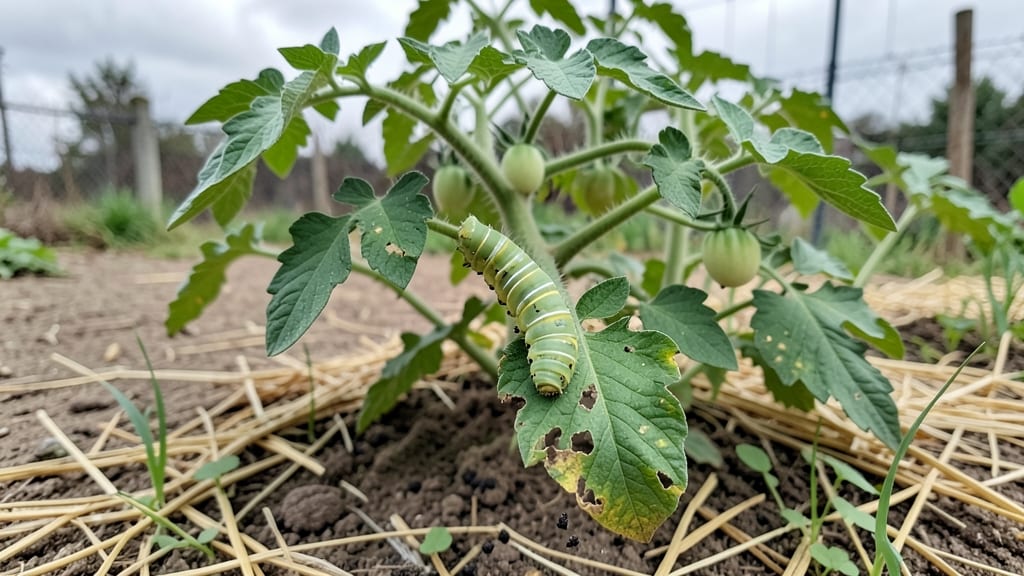
Tomato plant poison stems from green parts—stems, leaves, and unripe fruit—where solanine and other toxic compounds concentrate. While ripe tomatoes are perfectly safe, consuming these green sections can trigger digestive distress, nausea, or vomiting in both people and animals.
Solanine isn't just a single compound—it's part of a family of natural toxins called glycoalkaloids that tomato plants produce as a defense mechanism. 🌱 The highest concentrations appear in the green parts, especially when exposed to light, but even ripe tomatoes can contain trace amounts.
What's fascinating is how ripeness changes the game: as tomatoes mature, their solanine levels drop dramatically, making them safe to eat. However, green tomatoes or sprouted potatoes (another solanine-rich plant) carry far higher risks.
If you're growing tomatoes at home, keep an eye out for accidental ingestion by pets or curious kids. 🐾 A single green leaf might seem harmless, but it could cause stomach upset or worse.
For gardeners, the key is proper disposal—composting green tomato waste isn't recommended unless you're sure it won't be handled carelessly. Instead, toss it in the trash or use it for mulch in areas where children or animals can't access it.
💡 In This Article
- Toxic Compounds in Tomato Plants and Their Effects
- Safe Gardening Practices with Tomato Plants
Toxic compounds in tomato plants and their effects
The primary culprit in tomato plant toxicity is solanine, a glycoalkaloid that acts as a natural pesticide for the plant. This compound belongs to a family of over 20 related alkaloids found in nightshade plants, including tomatoes.
Solanine concentrations peak in green parts—stems, leaves, and unripe fruit—where levels can reach 5-10 mg per 100 grams of plant material, though some studies show spikes up to 20 mg in extreme cases. For context, consuming just 2-5 mg per kilogram of body weight can trigger symptoms in humans.
The plant produces solanine as a defense against herbivores, particularly when stressed by light exposure or physical damage. 🌱 What's fascinating is how this toxin works: solanine binds to acetylcholine receptors in the nervous system, mimicking the neurotransmitter but blocking its normal function.
This interference disrupts nerve signal transmission, leading to gastrointestinal distress and, in severe cases, neurological symptoms like confusion or hallucinations. The digestive system reacts first because the stomach and intestines have high concentrations of acetylcholine receptors.
Ripeness dramatically alters solanine levels because the plant redirects its energy toward fruit development rather than defense compounds. A ripe red tomato contains only trace amounts (typically <0.01 mg per 100 grams), making it safe to eat.
The transformation involves enzymatic breakdown and dilution as the fruit expands—what starts as a toxic green tomato becomes a nutrient-rich, solanine-free food. This biological process explains why green tomatoes (even when cooked) carry higher risks than their ripe counterparts.
Different plant sections show stark variations in toxicity. Leaves and stems contain the highest concentrations, often 2-4 times more than unripe fruit. The green shoulders of ripe tomatoes—where the fruit transitions from green to red—can still harbor significant levels, sometimes 50% higher than fully green sections.
This is why gardeners should remove all green portions before consuming tomatoes, even when the majority of the fruit has ripened.
Pets are particularly vulnerable because their smaller body weight means even small amounts of solanine can have disproportionate effects. 🐶 A 5-pound dog consuming just 10 grams of green tomato leaves could ingest enough solanine to cause vomiting or diarrhea.
The key difference in toxicity between humans and animals lies in metabolism—pets process glycoalkaloids more slowly, prolonging symptoms. This biological variation explains why veterinary cases of tomato plant poisoning are more common than human incidents.
Interestingly, cooking doesn't eliminate solanine—it only reduces its bioavailability by breaking down some of the molecule's structure. While boiling or frying may lower toxicity by 10-30%, the remaining solanine can still cause issues, especially in sensitive individuals.
This is why food safety guidelines recommend avoiding all green tomato parts, cooked or raw, unless you're certain they've been properly processed and tested.