
Light Requirements
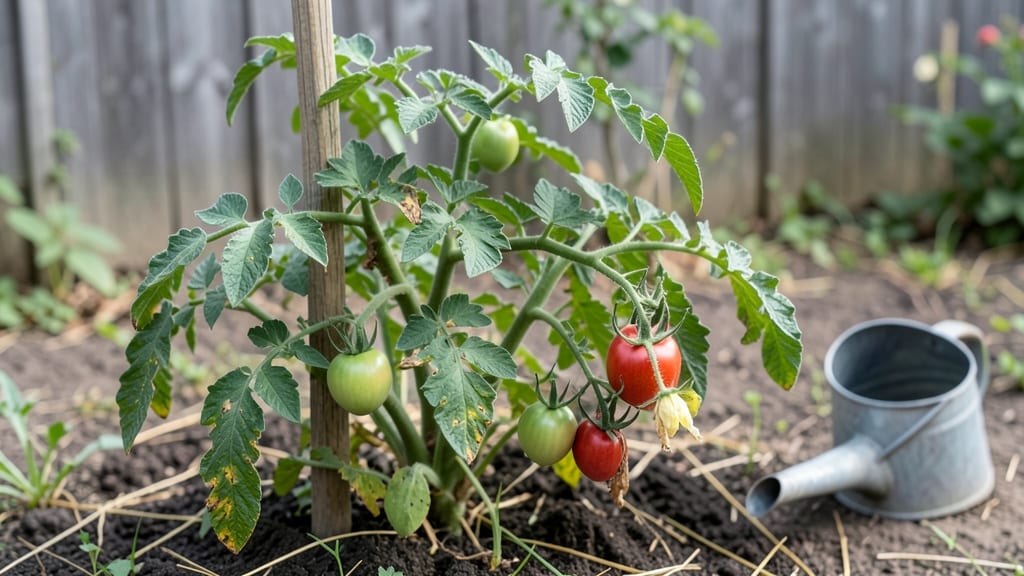
When your tomato plant gets too much sun, those crispy leaves and stunted growth aren’t just unsightly—they’re a cry for help. ✨ I’ve seen this happen in my own garden after moving plants too close to the afternoon sun, and the fix isn’t as complicated as it seems.
The good news? You can turn things around in just a few hours with the right adjustments.
Tomatoes need bright light, but too much direct sun—especially in hot afternoons—leads to sunburn, wilting, and even fruit splitting. The leaves turn white or yellow, and the plant looks like it’s wilting from thirst, even when the soil is damp.
Mulching with straw or grass clippings keeps roots cool, while pruning lower leaves improves airflow and reduces stress.
Start by moving your plant to partial shade for a few days, then gradually reintroduce morning sun. Water deeply in the early morning to keep the soil moist but not soggy, and watch for improvement within a week.
With these quick fixes, your plant will bounce back—and you’ll avoid future scorching by planting in spots with filtered light or using shade cloth.
This works for both container and in-ground tomatoes, and the same principles apply whether you’re dealing with cherry, beefsteak, or heirloom varieties. Let’s get your plant back to thriving in no time.
When Sunlight Becomes Too Intense
Too much sun might sound like a gardener’s dream, but for tomato plants, excessive sunlight—especially during peak heat—can trigger a cascade of stress responses that leave your plants looking worse for wear.
Understanding the why behind scorched leaves and stunted growth is the first step to saving your crop. Let’s break down the key factors that turn your sunny patch into a problem zone.
Tomatoes thrive in full sun, but their leaves aren’t equipped to handle extreme heat like a desert cactus. When temperatures soar above 90°F (32°C), the waxy cuticle on leaves—designed to retain moisture—can’t keep up. Here’s what happens:
- Photosynthesis shutdown: High light intensity combined with heat causes photoinhibition, where chlorophyll (the green pigment) breaks down. This leads to bleached or white patches on leaves—a clear sign of sunburn.
- Water stress: Even well-watered plants struggle when evaporation rates skyrocket. Roots can’t absorb water fast enough to compensate, leading to wilting and crispy leaf edges.
- Cell membrane damage: Heat disrupts the lipid layers of plant cells, causing them to leak vital nutrients. Think of it like a balloon popping—once the damage starts, recovery is slow.
Pro tip: 🌡️ If your area hits 95°F (35°C)+ regularly, your tomatoes are in the danger zone. Shade cloth (30–50% coverage) can reduce leaf temps by 10–15°F (5–8°C).
It’s not just the air—soil temperature plays a huge role. When soil heats up beyond 85°F (29°C), root activity grinds to a halt. Here’s how it affects your plant:
- Root suffocation: Hot soil reduces oxygen availability, forcing roots to "shut down" temporarily. This triggers a feedback loop: less water uptake → wilting → more sun stress.
- Nutrient lockout: Essential minerals like phosphorus and nitrogen become unavailable in overheated soil. Even if you fertilize, your plant can’t access them.
- Fungal and bacterial growth: Extreme heat weakens roots, making them vulnerable to Pythium or Fusarium infections, which further stress the plant.
Actionable fix: 💡 Mulch with straw or wood chips (2–3 inches deep) to insulate soil and keep temps stable. Avoid dark mulches—they absorb heat!
Tomato plants grown in low-light conditions (like indoors or shaded greenhouses) suffer a sunburn shock when suddenly exposed to full, harsh sunlight. This is called transplant shock, but the symptoms mimic sun damage:
- Rapid light exposure: Plants adapted to 4–6 hours of sun can’t handle 8+ hours without gradual adjustment. Their leaves lack the protective pigments (like carotenoids) to filter UV rays.
- Chlorophyll burn: The sudden influx of light overwhelms the plant’s ability to process energy, leading to bleaching or necrotic spots.
- Stunted growth: Instead of focusing on fruit production, the plant diverts energy to repairing sun damage, delaying ripening.
Prevention tip: ✨ Harden off seedlings gradually—start with 2–3 hours of morning sun and increase by 1 hour daily over 1–2 weeks.
Watering isn’t just about quantity—it’s about timing and technique. Here’s how incorrect watering worsens sun stress:
| Mistake | Why It Matters |
|---|---|
| Watering only the leaves (not the soil) | Leaves act like lenses, concentrating sunlight and causing hot spots that burn tissue. |
| Infrequent, deep watering | Shallow roots dry out fast in heat, forcing the plant to close stomata (pores) to retain water—but this also traps heat inside leaves. |
| Watering in the afternoon | Evaporation rates are highest when temps peak, meaning water never reaches roots before it’s gone. |
Best practice: 💧 Water deeply at dawn (before 8 AM) to give roots 6+ hours to absorb moisture before the sun peaks.
Now that you know the root causes (pun intended), the next step is addressing them—stay tuned for quick fixes to revive your sun-stressed tomatoes!
Quick Fixes for Sunburned Tomatoes
Too much sun can turn your tomato plant’s leaves crispy and yellow, but don’t worry—there are simple ways to revive it and prevent future damage.
Below, we’ll break down the most common causes of sun stress and the practical fixes to save your plants, along with prevention tips to keep them thriving.
If your tomato leaves are bleached, brittle, or curling from too much sun, act fast to protect them.
🔥 Provide Immediate Shade Relief
- Move potted tomatoes to a spot with partial shade (4–6 hours of morning sun + afternoon shade).
- Use shade cloth (30–50% coverage) if your plant is in a fixed location.
Secure it with stakes or clips. - Place a lightweight row cover over outdoor plants to filter harsh rays while allowing airflow.
💧 Hydrate & Cool the Plant
- Water deeply in the morning or early evening to raise soil moisture and cool roots.
- Mist leaves lightly (avoid soggy soil) to help them retain moisture and recover.
- Apply a mulch layer (straw or grass clippings) to insulate roots and reduce heat stress.
🍅 Trim Damaged Foliage
- Snip off severely sunburned leaves with clean pruners to prevent further moisture loss.
- Focus on lower leaves first—they’re most vulnerable and can drain energy from fruit production.
If your tomatoes are consistently struggling in full sun, modify their environment to prevent recurrence.
🏡 Choose the Right Location
- Morning sun + afternoon shade is ideal for tomatoes—avoid south-facing windows or open fields in peak summer.
- East-facing gardens (morning sun) or north-facing spots (gentler light) work best in hot climates.
- Use reflective surfaces (white walls, mulch, or light-colored containers) to bounce light away from delicate leaves.
🌱 Opt for Heat-Tolerant Varieties
Some tomato types handle sun better than others.
Try: - Cherry tomatoes (e.g., ‘Sungold,’ ‘Sweet 100’) – thrive in warmth. - Heat-set varieties (e.g., ‘Heatmaster,’ ‘Solar Fire’) – bred for high temperatures. - Indeterminate types (e.g., ‘Brandywine,’ ‘Black Krim’) – produce new leaves to shade developing fruit.
💡 Boost Soil & Water Efficiency
- Amend soil with compost to improve moisture retention and nutrient uptake.
- Use drip irrigation (instead of overhead watering) to keep leaves dry and cool.
- Add a layer of hydrogel crystals to soil to lock in water during heatwaves.
Stop sun damage before it starts with these proactive strategies:
- 📅 Plant at the right time – Wait until after the last frost and avoid mid-summer transplants when heat spikes.
- 🌿 Use trellises or cages – Elevating plants improves airflow and reduces leaf scorch.
- 🌞 Monitor weather forecasts – If a heatwave is predicted, preemptively shade plants for 2–3 days.
- 🍅 Prune strategically – Remove suckers (side shoots) to focus energy on fruit production rather than excess foliage.
- 🔄 Rotate crops – Avoid planting tomatoes in the same spot yearly to prevent soil heat buildup.
By combining immediate shade, proper hydration, and smart growing habits, your tomato plants will bounce back—and you’ll enjoy juicier, healthier fruit all season long! 🍅🌞
Frequently asked questions
How do I know if my tomato plant has too much sun?
Look for white or yellow patches on leaves, crispy edges, or leaves that appear scorched. If your plant wilts even when the soil is moist, it’s likely suffering from heat stress. Check for bleached areas on upper leaves—these are classic signs of sunburn.
Can I save a tomato plant that’s already sunburned?
Yes! Move it to partial shade immediately, water deeply in the morning, and trim damaged leaves. Mulch with straw to keep roots cool. Most plants recover within 1-2 weeks if you act fast—just avoid full sun until new growth appears.
What’s the best shade cloth percentage for tomatoes?
Use 30-50% shade cloth to filter harsh rays while allowing enough light for photosynthesis. A 30% cloth works well in hot climates, while 50% coverage is better for extreme heatwaves. Secure it loosely to prevent overheating.
Will pruning help my sun-stressed tomato plant?
Prune lower leaves and any severely damaged foliage to reduce water loss and improve airflow. Focus on removing leaves with white/yellow patches—this helps the plant redirect energy to fruit production and recovery.
Are some tomato varieties more sun-tolerant?
Yes! Heat-resistant varieties like ‘Sungold’ (cherry) or ‘Heatmaster’ handle intense sun better than heirlooms. If you live in a hot climate, choose determinate types (bush tomatoes) which mature faster and suffer less from prolonged heat exposure.