Pruning
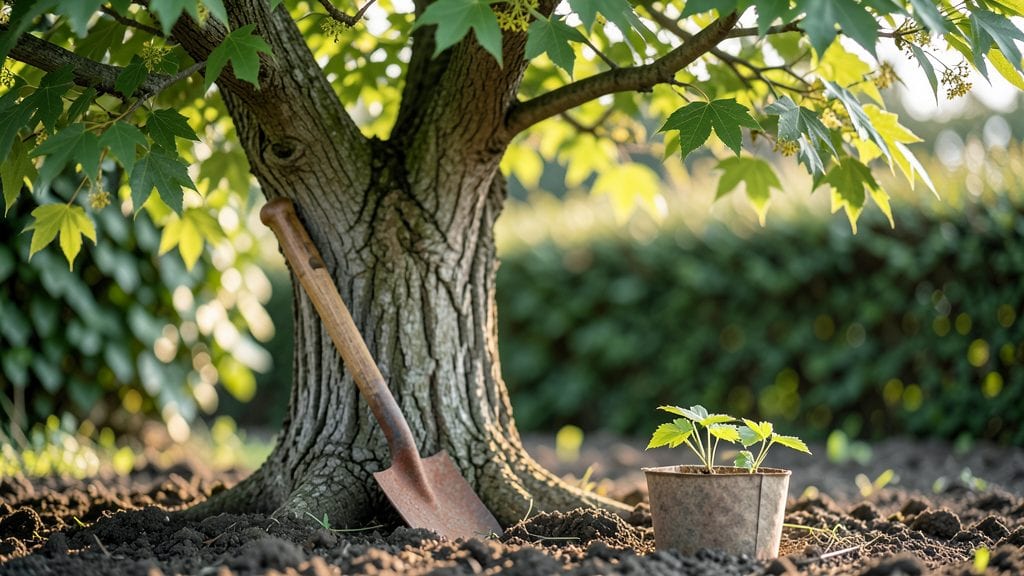
Planting trees in London isn’t just about digging a hole—it’s about working with the city’s unique climate, soil, and urban challenges to create lasting green spaces. 🌳 I’ve planted everything from silver birches to London plane trees, and the difference between a thriving tree and one that struggles comes down to preparation, timing, and understanding local regulations like Tree Preservation Orders.
The first step is choosing the right tree for your spot—native species like field maple or London’s iconic plane trees handle pollution and compacted soil better than ornamental imports.
You’ll also need to test your soil (London’s clay can be unforgiving) and amend it with compost or organic matter for better drainage. Spring and autumn are the best times to plant, but with proper care, even summer plantings can succeed.
What you’ll end up with is a tree that not only survives but thrives in London’s conditions—strong roots, vibrant foliage, and the ability to handle the city’s pollution.
My silver birch, planted just two years ago, already provides shade and supports local wildlife, and it’s only going to get better with time. The key is patience and the right techniques.
Whether you’re planting in a backyard, community garden, or even a small urban plot, these methods adapt to London’s space constraints. Let’s get your tree off to the best possible start—one that supports the city’s green future while making your space greener too.
📚 In This Guide
- What you need
- Instructions
- Tips and common mistakes
- Wrapping up and next steps
What you need
- ● Tree saplings: Choose native species like London plane trees, oak, or silver birch (1-3 per planting session, depending on space). Opt for bare-root or container-grown trees (1-2 feet tall for best establishment).
- ● Shovel or spade: A round-point shovel (16-18 inches wide) for digging holes efficiently.
- ● Garden fork: For loosening compacted soil (especially in urban areas).
- ● Compost or well-rotted manure: 1-2 buckets per tree to enrich the soil.
- ● Mulch (wood chips or bark): 2-3 inches thick, covering the root zone (avoid piling against the trunk).
- ● Watering can or hose with a gentle nozzle: At least 10 liters of capacity for thorough watering.
- ● Gloves and knee pads: Protect your hands and knees—London’s soil can be tough!
- ○ Stakes and tree ties (optional but recommended): For young, flexible trees in windy areas (1-2 stakes per tree, 4-6 feet tall).
- ● Soil test kit: Check pH levels (London’s soil is often alkaline; aim for 6.0-7.0 for most trees).
- ● Mycorrhizal fungi: A powder or granules to boost root growth (mix into the planting hole).
- ● Tree guard or spiral wrap: Protects young trunks from pests (e.g., grey squirrels or deer).
- ● Rain gauge or moisture meter: Monitor soil moisture—critical during London’s dry summers!
- ● Wheelbarrow: For hauling soil, mulch, or tools (especially useful in larger plots).
- ● Check local regulations: Verify if you need permission from City of London Corporation or your borough council for planting on public land.
- ● Best planting times: Autumn (October-November) or early spring (March-April) for optimal root establishment.
- ● Site assessment: Ensure the area gets at least 6 hours of sunlight daily and has 6+ feet of clearance for mature tree growth.
- ● Neighbor coordination: If planting near property lines, notify neighbors to avoid disputes.
Instructions for planting trees in London’s unique climate
London’s mix of humidity, urban heat islands, and seasonal shifts demands smart timing and prep. Here’s how to plant trees that thrive year-round.
🪴 Step 1: Choose the Right Tree and Dig the Perfect Hole
Select a tree suited for London’s USDA Zone 8-9 climate—species like London planetree, field maple, or hornbeam handle the city’s pollution and compacted soil well. Dig a hole twice as wide as the root ball but no deeper—this prevents root suffocation and encourages outward growth.
Use the shovel from your materials to loosen the sides of the hole gently. Avoid stepping inside it, as compacted soil around the edges will strangle new roots. If your soil is heavy clay (common in London), mix in a handful of compost from the bottom of the hole to improve drainage.
🌱 Step 2: Prepare the Tree and Backfill Carefully
Remove the tree from its container or burlap wrap, and loosen the roots at the edges with your fingers if they’re circling. This prevents girdling as the tree matures. Place it in the hole so the top of the root ball sits 1-2 inches above ground level—London’s wet winters mean settling will occur, and you don’t want the trunk rotting.
Backfill with the native soil you removed, tamping lightly every 6 inches to eliminate air pockets. Water deeply after filling, then let the soil settle before adding a 2-inch layer of mulch (keep it 6 inches away from the trunk to prevent rot). This mimics London’s natural woodland understory while protecting against urban heat.
☀️ Step 3: Water Deeply and Set Up for Long-Term Care
Water the tree thoroughly—aim for 10-15 gallons—until moisture seeps 6 inches down. London’s variable rainfall means young trees need consistent hydration. Install a drip irrigation system or soaker hose if possible; surface watering wastes resources and encourages shallow roots.
Stake only if the tree leans more than 15 degrees—London’s winds can be deceiving. If staking, use two stakes on opposite sides and tie loosely with soft fabric strips (never wire, which cuts into bark). Check weekly: roots need air and water, not constriction.
⏰ Step 4: Monitor and Adjust for London’s Microclimates
London’s urban heat islands can make summer 10°F warmer than rural areas. After planting, water every 3-4 days until leaves show first true growth, then taper to once a week in winter (unless frost occurs). Mulch retains moisture and moderates soil temperature—critical in both heatwaves and cold snaps.
Watch for aphids or vine weevils, common in London’s urban soils. If you spot chewed leaves or sticky residue, treat with neem oil (mix 1 tablespoon per gallon of water) in early evening to avoid harming pollinators. Prune only to remove dead branches—London’s compact spaces mean less room for error.
Tips & tricks for perfect tree planting in London
London’s climate throws unique challenges at tree planters—here’s how to give your trees the best shot at thriving year-round.
Soil Prep Secret: London’s clay-heavy soil can be a real hurdle, but you can work with it. Before planting, test your soil’s drainage—if water pools after 6 inches of rain, mix in a 2-inch layer of sand or grit at the bottom of the hole (about 5 gallons for a standard-sized tree). This mimics the natural drainage of London’s chalky subsoil while preventing waterlogging. Don’t skip this step—root rot is a silent killer in compacted urban soil.
Root Care Technique: When loosening circling roots in Step 2, focus on the outer edges where new growth begins. I learned this the hard way after seeing girdling develop in a young hornbeam—now I use my fingers to gently separate roots that wrap tighter than a hug. For container-grown trees, soak the root ball for 10 minutes before planting to reduce transplant shock. This simple step makes all the difference in London’s unpredictable spring rains.
Watering Wisdom: That 10-15 gallons of water in Step 3 isn’t just about quantity—it’s about technique. Use a garden hose with a slow setting to let water penetrate gradually. I’ve seen too many planters drown roots by dumping water all at once. After watering, check moisture 6 inches down with your finger—if it’s dry, repeat until you see consistent dampness. London’s variable rainfall means young trees need this deep hydration every 3-4 days until established.
Pest Prevention: London’s urban soils are prime real estate for aphids and vine weevils, but you can outsmart them. The neem oil treatment mentioned in Step 4 works, but I’ve had better luck with a soapy water spray (1 tablespoon mild dish soap per gallon) applied in early morning. The soap disrupts their waxy coating while being harmless to pollinators. Check leaves weekly—early intervention prevents those unsightly chewed edges that turn into full-blown infestations.
Pro Tips for Tree Planting London
- London’s climate throws unique challenges at tree planters—here’s how to give your trees the best shot at thriving year-round.
- Soil Prep Secret: London’s clay-heavy soil can be a real hurdle, but you can work with it.
- Root Care Technique: When loosening circling roots in Step 2, focus on the outer edges where new growth begins.
Frequently asked questions
Got questions about planting trees in London’s unique climate? You’re not alone! Here are some of the most common concerns—and straightforward answers—to help you get started with confidence.
When is the best time to plant trees in London?
The ideal window is late autumn (November) to early spring (March), when the soil is moist but not frozen. London’s mild winters make this a great time—just avoid planting during frost or waterlogged periods. For container-grown trees, you can plant year-round, but spring and autumn still offer the best success rates.
How often should I water newly planted trees?
Newly planted trees need consistent moisture—water deeply once or twice a week for the first year, depending on rainfall. In London’s unpredictable weather, aim for about 10-15 gallons per tree per session. Mulch around the base to retain moisture and reduce evaporation. Pro tip: Check soil moisture 2-3 inches deep before watering.
Can I plant trees in small urban spaces like balconies or gardens?
Opt for dwarf or container-friendly varieties like Japanese maples, ornamental cherries, or compact apple trees. Use large pots (at least 18 inches deep) with drainage holes and a high-quality potting mix. Just ensure the tree gets 6+ hours of sunlight daily and choose shallow-rooted species for tight spaces.
What pests or diseases should I watch for in London’s climate?
London’s damp conditions can attract aphids, vine weevils, and fungal diseases like powdery mildew. Inspect leaves regularly and use organic insecticidal soap or neem oil for pests. Improve airflow by pruning dense foliage, and avoid overhead watering to prevent fungal growth. Pro tip: Native trees (e.g., field maple or hawthorn) are naturally more resilient.
How do I protect my tree from London’s windy weather?
Use a tree shelter or windbreak (like a mesh guard) for the first year to shield young trees from strong winds, especially in exposed areas. Stake trees loosely to prevent root stress, and choose wind-resistant species like hornbeams or oaks. Mulch heavily to insulate roots during winter gusts.
Wrapping up and next steps
Planting trees in London isn’t just about greening the city—it’s a year-round commitment that benefits both the environment and your community. 🌱 From choosing the right species for London’s climate to preparing the soil and maintaining your sapling, every step counts.
Whether you’re a seasoned gardener or a beginner, your efforts make a real difference in urban sustainability.
Ready to take action? Start by picking a spot in your garden or neighborhood, then reach out to local tree-planting initiatives for support. Your new tree could grow for decades—let’s make it a legacy!