Pruning
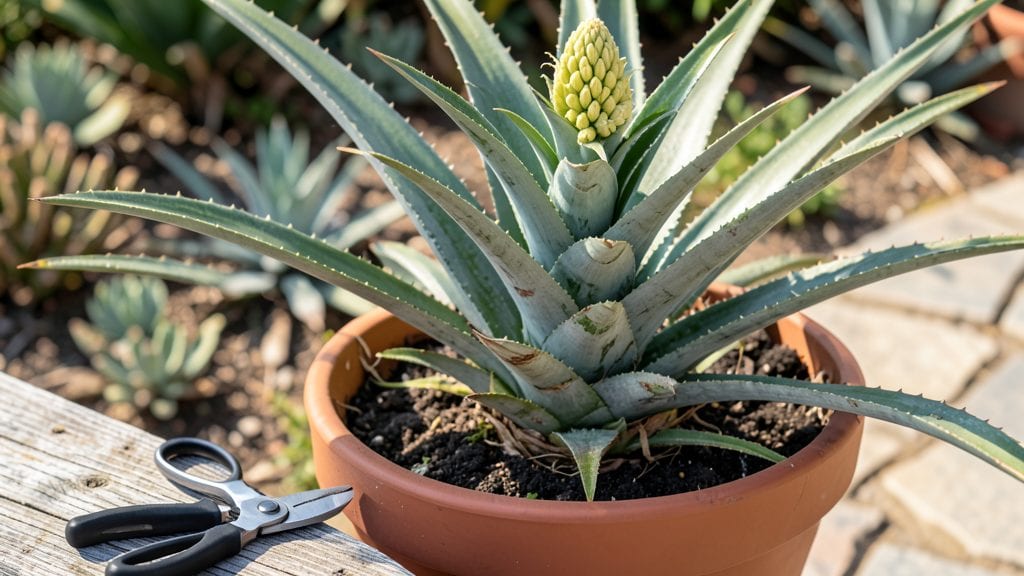
Trimming your pineapple plant isn't just about keeping it tidy—it’s the secret to year-round fruit production and a healthier plant. 🌱 I learned this the hard way when my pineapple plant stopped fruiting after years of neglect, but once I mastered the three key cuts, it became a reliable producer.
The right trimming encourages new growth, removes diseased leaves, and redirects energy toward that coveted sweet fruit.
You’ll need just three tools: sharp pruning shears, rubbing alcohol (for sterilizing), and a small container of water for the cuttings.
The process takes about 15 minutes and focuses on three strategic cuts: removing dead or yellowed leaves, pruning off suckers (those offshoots at the base), and trimming the crown once the fruit forms. Timing matters too—spring and summer are ideal, but you can trim lightly in fall if needed.
When done right, your pineapple plant will reward you with thicker foliage, stronger stems, and—most exciting—multiple fruit cycles per year. The plant stays compact, resists pests better, and even produces baby pineapples (suckers) you can propagate.
Think of it as a three-step reset that keeps your plant productive instead of letting it decline.
Here’s the best part: these cuts work whether you’re growing your pineapple in a sunny window, a greenhouse, or a warm patio. The same principles apply, so you’ll get consistent results no matter your setup. Ready to turn that leafy top into a fruiting powerhouse?
📚 In This Guide
- What you need
- Instructions
- Tips and common mistakes
- Wrapping up and next steps
What you need
- ● Pineapple plant – A healthy, mature plant (at least 12–18 months old) with a visible crown or suckers.
- ● Sharp pruning shears or scissors – Clean, sterilized tools (rubbing alcohol works) to prevent disease.
- ● Garden gloves – Protect your hands from thorns and sap.
- ● Well-draining potting mix – Cactus/succulent blend or a mix of peat, perlite, and sand (3:1:1 ratio).
- ● Small pots (3–4 inches in diameter) – For propagating suckers or storing cuttings.
- ○ Rooting hormone (optional but helpful) – Speeds up root growth for new plants.
- ● Watering can with a fine rose – For gentle hydration without overwatering.
- ● Hydrogen peroxide (3%) or cinnamon powder – To disinfect cuts and prevent rot.
- ● Spray bottle – For misting new cuttings in humid conditions.
- ● Clear plastic bag or humidity dome – Creates a mini greenhouse for faster rooting.
- ● Fertilizer (balanced 10-10-10 or succulent-specific) – Boosts growth after pruning.
- ● Label markers – Track pruning dates and plant varieties.
Step-by-Step guide to trimming a pineapple plant for year-round fruit
Here’s how to coax multiple harvests from a single pineapple plant using precise timing and cuts.
✂️ Step 1: Identify and Remove the Mother Plant After Harvest
Once your pineapple produces its first fruit, the mother plant’s job is done—but its energy isn’t. The moment you harvest the pineapple, look for the small "pups" (offshoots) sprouting at the base. These are your future plants. Use clean, sharp pruners to sever the mother plant’s stem at the soil line, about ½ inch above the base. This redirects the plant’s energy into the pups.
Don’t yank it out—this can damage roots. Instead, grip the base firmly and twist gently until the stem releases. Discard the mother plant or compost it; it won’t produce fruit again. The pups will now grow faster, reaching harvest size in 12-18 months if given proper care. Watch for new leaves unfurling from the pups’ centers—that’s your signal they’re thriving.
🌱 Step 2: Prune Offshoots to Encourage Stronger Growth
When pups grow to 6-8 inches tall, they’ll develop their own root systems. Carefully dig around the base to expose the roots, then use your fingers to separate each pup from the mother cluster. Keep 2-3 of the healthiest pups per original plant—more than that crowds the pot and weakens fruit production. Prune away any pups with yellowing leaves or stunted growth; these won’t survive long-term.
Repot the selected pups into their own 6-inch containers filled with a well-draining cactus/succulent mix. Water lightly immediately after transplanting to settle the soil. The first few weeks are critical—pups struggle when uprooted, so place them in bright, indirect light (no direct sun yet). You’ll know they’re adapting when new leaves emerge within 2-3 weeks.
☀️ Step 3: Prune Dead or Damaged Leaves Year-Round
Pineapple plants are low-maintenance, but dead leaves sap energy from fruit production. Every 4-6 weeks, inspect the plant for brown, crispy, or yellow leaves—these are red flags. Using sterilized pruners, snip off damaged leaves at the base, cutting just above a healthy leaf node. Avoid pruning more than ⅓ of the plant’s foliage at once; this stresses the plant and delays fruiting.
Here’s the trick: prune in the morning when temperatures are cool. This gives the plant time to recover before the heat of the day. After pruning, apply a balanced 10-10-10 fertilizer (½ strength) to replenish nutrients. You’ll notice new growth within 10-14 days—this means the plant is redirecting energy toward fruit development. If leaves curl or wilt after pruning, move the plant to shadier conditions for a week to reduce stress.
⏰ Step 4: Harvest and Repeat the Cycle
When your pineapple’s crown turns golden-yellow and the fruit feels slightly soft when squeezed, it’s ready. Twist the fruit gently until it separates from the plant—no need for tools. The moment you harvest, new pups will begin forming at the base within 2-3 weeks. This is your cue to start the cycle over. Prune the spent plant down to the pups, and within 6 months, you’ll have a new batch of harvest-ready plants.
Real talk: the first harvest is the easiest. After that, you’ll notice a pattern—pups grow fastest in warmth (75-85°F) and bright light (6+ hours daily). If your pineapple isn’t fruiting after 18 months, it may need a fertilizer boost (switch to a high-phosphorus formula) or more sunlight. But once you’ve mastered these cuts, you’ll average 2-3 harvests per year from a single original plant.
Tips & tricks for perfect pineapple plant trimming
Mastering these strategic cuts transforms a one-time harvest into a year-round fruit bonanza—here's what I've learned from years of growing pineapples.
Timing is Everything: In Step 1, when you remove the mother plant, don't rush the harvest. Wait until the pineapple's crown turns golden-yellow and feels slightly soft when squeezed—this ensures the pups will inherit maximum energy. I've found that harvesting too early can stunt pup growth, while waiting too long risks overripe fruit. The 2-3 weeks window for new pups to form after harvest is critical—don't disturb them during this period.
Root Care Matters: During Step 2, when separating pups, focus on root integrity. Gently tease apart the roots rather than pulling—this minimizes transplant shock. I've discovered that pups with intact root systems establish in their new 6-inch containers within 2-3 weeks, while damaged roots can take twice as long. After repotting, water lightly but consistently; soggy soil at this stage can cause rot.
Pruning Strategy: For Step 3's regular maintenance, I've developed a system: mark your calendar every 4-6 weeks for pruning sessions. Always remove no more than ⅓ of the foliage—this balance prevents stress while still redirecting energy to fruit development. The morning timing is non-negotiable; cooler temps reduce transpiration stress, and the plant has daylight hours to recover before nightfall.
Fertilizer Timing: The 10-14 days window after pruning is prime for nutrient uptake. I've found that applying fertilizer immediately after pruning gives the plant exactly what it needs during its recovery phase. For tropical climates, consider switching to a high-phosphorus formula when pups reach 6-8 inches—this encourages faster root development and earlier fruiting.
Pro Tips for Trim Pineapple Plant
- Mastering these strategic cuts transforms a one-time harvest into a year-round fruit bonanza—here's what I've learned from years of growing pineapples.
- Timing is Everything: In Step 1, when you remove the mother plant, don't rush the harvest.
- Root Care Matters: During Step 2, when separating pups, focus on root integrity.
Frequently asked questions
Got questions about trimming your pineapple plant for better fruit? Here are some of the most common concerns—plus quick, actionable answers to keep your plant thriving!
How often should I trim my pineapple plant?
Trim your pineapple plant once a year (ideally in late spring or early summer) to encourage fruit production. After the first harvest, prune again to remove spent leaves and redirect energy. Avoid over-trimming—focus on healthy, mature leaves only.
Can I trim my pineapple plant at any time of year?
While you can trim year-round, timing matters! The best window is spring or early summer (when growth is active). Trimming in winter may stress the plant. If you must prune outside this window, avoid heavy cuts—stick to light maintenance only.
Will trimming my pineapple plant make it produce more fruit?
Yes! Strategic trimming redirects energy to fruit production. By removing older, yellowing leaves and leaving a healthy rosette, you encourage the plant to focus on growing a larger, sweeter pineapple. Just avoid cutting into the central crown—that’s where the magic happens!
What do I do with the trimmings?
Don’t toss those cuttings! The leaf bases can be composted, while the top crown (if healthy) can be propagated to grow a new pineapple plant. Simply let it dry for a day, then plant it in soil—it’ll root in 2–4 weeks with patience!
My pineapple plant isn’t fruiting after trimming—what went wrong?
If your plant skips fruiting, check these fixes:
- Light check: Pineapples need 6+ hours of sunlight daily—move it to a sunnier spot.
- Nutrient boost: Use a balanced fertilizer (like 10-10-10) every 2–3 months.
- Patience: Fruit takes 18–24 months after trimming—don’t rush it!
Still no luck? Your plant might be too young—wait until it’s 1–2 years old before expecting fruit.
Wrapping up and next steps
Trimming your pineapple plant isn’t just about keeping it tidy—it’s the secret to unlocking year-round fruit!
By mastering those three strategic cuts, you’ll encourage healthier growth, bigger harvests, and a plant that thrives year after year. 🌱✨ Whether you’re a seasoned gardener or just starting, the key is patience and precision—your efforts will pay off in sweet, juicy rewards.
Ready to take the next step? Start by identifying your plant’s needs—check for overgrowth, dead leaves, or pups—and grab your tools. Then, follow the steps above like a pro! With a little practice, you’ll be trimming with confidence and enjoying pineapples straight from your own garden.