
Plants
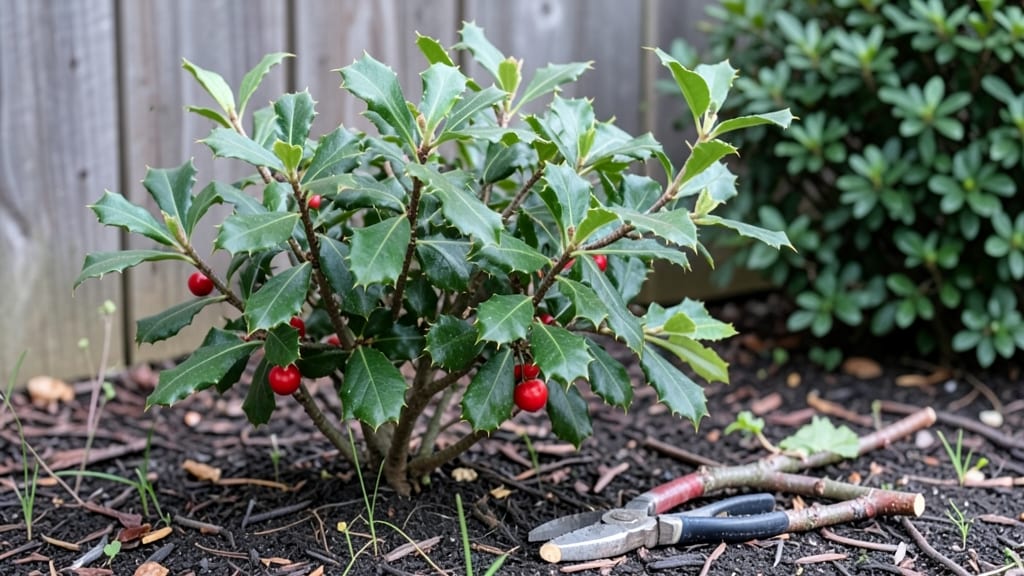
Trimming holly plants in late winter keeps them thriving year-round—here’s the exact timing and why it matters.
Trimming holly plants at the wrong time can stunt their growth, damage berries, or even weaken their natural defenses—so timing is everything for lush, vibrant bushes. 🌿 The key is to prune after the last frost, when the plant is still dormant but ready to burst into new growth.
Most gardeners make the mistake of waiting until spring, but that’s too late. By trimming in late winter—typically between February and March—you encourage stronger branches and better berry production. Plus, it gives your holly a head start before the busy growing season kicks in.
In this guide, I’ll walk you through the best time to trim, how to spot the right branches to cut, and what tools you’ll need for a clean, healthy prune. Ready to give your holly the care it deserves?
Best time of year to trim holly plants for maximum growth
Trimming your holly plants at the wrong time can turn a simple pruning session into a disaster—stunting growth, reducing berry production, or even inviting pests. The key to keeping your holly bushes lush and thriving lies in understanding their natural growth cycle and choosing the perfect window for pruning.
For most holly varieties, late winter—specifically February to early March—is the golden period when your bushes are dormant but ready to bounce back with new vigor.
This timing aligns perfectly with the plant’s dormancy phase, allowing you to remove dead or weak branches without disrupting the energy reserves needed for spring blooms and berry development.
Skipping this window or pruning at the wrong time can leave your holly looking ragged, with fewer flowers and berries to enjoy. Let’s dive into why late winter is the best time and how to adjust for your specific climate.
| Season | Best Time to Trim | Why It Matters | Climate Adjustments |
|---|---|---|---|
| Late Winter | February - Early March | Plant is dormant; minimal stress, promotes new growth. | Warmer climates: Trim in January; colder zones: Wait until after last frost. |
| Spring | Avoid (April - May) | Removes flower buds; reduces berry production. | Exception: Light shaping after berries drop in late spring. |
| Summer | Avoid (June - August) | Encourages fungal diseases; stresses plant during peak growth. | Only trim to remove dead branches immediately. |
| Fall | Avoid (September - November) | Prevents winter hardening; exposes plant to cold damage. | Light cleanup of storm-damaged branches only. |
When you prune holly in late winter, you’re working with a plant that’s already prepared for the new growing season. The dormant state means less stress and faster recovery, as the holly can redirect its energy toward producing new leaves, flowers, and—most importantly—berries.
This is especially critical for varieties like English holly (Ilex aquifolium) or American holly (Ilex opaca), where berries are a prized feature.
Pruning during spring or summer can be disastrous. In spring, you risk removing the flower buds that will later become berries, while summer pruning stresses the plant and invites fungal infections through fresh cuts. Even light shaping should wait until after the berries have dropped in late spring.
Think of late winter as your holly’s reset button—it’s the time to shape, remove dead wood, and encourage a strong start to the year.
Your local climate plays a huge role in timing. In warmer USDA zones (8-10), holly plants may stay semi-dormant later, so you can trim as early as January. In colder zones (3-6), wait until after the last frost—typically mid-to-late March—to avoid damaging tender new growth.
Always check for bud swell as a sign that your holly is waking up and ready for pruning.
One of the biggest mistakes gardeners make is over-pruning in late winter. Holly bushes thrive on structure, and aggressive cuts can lead to a leggy, sparse appearance. Aim to remove no more than 25% of the plant’s volume in a single session.
Focus on dead branches, crossing limbs, and those growing inward to maintain an open, airy shape. This not only improves aesthetics but also enhances air circulation, reducing disease risk.
If you’ve missed the late winter window, don’t panic—but act carefully. Light shaping in early spring (before buds open) is safer than summer cuts. For holly bushes that flower on old wood, any pruning after spring will reduce next year’s blooms.
Always prioritize health over aesthetics: a few strategic cuts to remove dead wood are better than a full makeover at the wrong time.
For container-grown holly plants, late winter pruning is even more critical. These plants often grow more vigorously and benefit from regular shaping to control size. Use the same late winter timing, but be extra mindful of root space—pruning too aggressively can stress roots in confined pots.
After trimming, give your container holly a light fertilizer application to support new growth.
Pro tip: Mark your calendar for February 15th as your holly pruning deadline in most regions. This gives you a buffer to adjust for late frosts or unexpected weather. Pair your pruning with a layer of mulch around the base to protect roots and retain moisture as temperatures rise.
With the right timing and technique, your holly will reward you with vibrant foliage, stunning blooms, and a bounty of berries.
Remember, holly plants are long-lived shrubs—some varieties live for decades. Giving them the care
Step-by-step late winter pruning guide for holly bushes
Late winter is the perfect window to prune holly bushes without disrupting their natural growth cycle. After the winter frost has passed but before spring buds swell, your holly will recover faster and produce more vibrant berries.
This timing ensures you’re not removing next year’s blooms or berries, which form on old wood—a common mistake that can leave your plant looking bare.
Before grabbing your shears, identify dead or weak branches first. These are often brown and brittle or lack leaves entirely, making them easy targets for removal. Pruning these dormant branches now prevents disease from spreading when growth resumes in spring.
For healthy holly bushes, late winter pruning also improves air circulation, reducing the risk of fungal infections that thrive in dense foliage.
Wait for Frost to Pass
Prune holly bushes only after the last frost date in your USDA zone. For most regions, this falls between late February and early March. Check local forecasts to avoid pruning too early, which can expose tender new growth to cold damage.
Gather Your Tools
Use sharp, sterilized pruners or loppers for branches thicker than ½ inch. Disinfect tools with rubbing alcohol to prevent spreading bacterial diseases. Avoid dull tools, as they tear branches, creating wounds that attract pests.
Remove Dead or Diseased Branches
Cut back dead wood to the main stem or nearest healthy side branch. Look for blackened stems, missing bark, or branches without leaves. These are clear signs of dead or dying wood that should be removed immediately.
Shape the Bush for Balance
Prune to maintain the natural shape of your holly, but avoid over-pruning more than 25% of the foliage. Focus on thinning out crowded branches to improve air flow. Cut just outside the branch collar at a 45-degree angle to promote faster healing.
Clean Up and Mulch
Remove all pruned debris from the area to reduce pest and disease risks. Apply a 2-inch layer of mulch around the base to retain moisture and protect roots. This step is especially important in cold climates to insulate the soil.
For temperate climates, aim to finish pruning by mid-March to give your holly time to recover before the growing season. In colder regions, wait until late March or early April when soil temperatures rise above 40°F.
Always prune on a dry, sunny day to minimize stress on the plant and reduce the risk of infection.
After pruning, monitor your holly for new growth signs like fresh leaves or buds. If you notice yellowing leaves or wilting branches, it may indicate over-pruning or root stress. Adjust your approach next time by removing fewer branches and focusing on healthier sections of the plant.
With the right timing and technique, your holly will reward you with denser foliage, more berries, and a neater appearance all season long. Happy pruning!