
Diseases
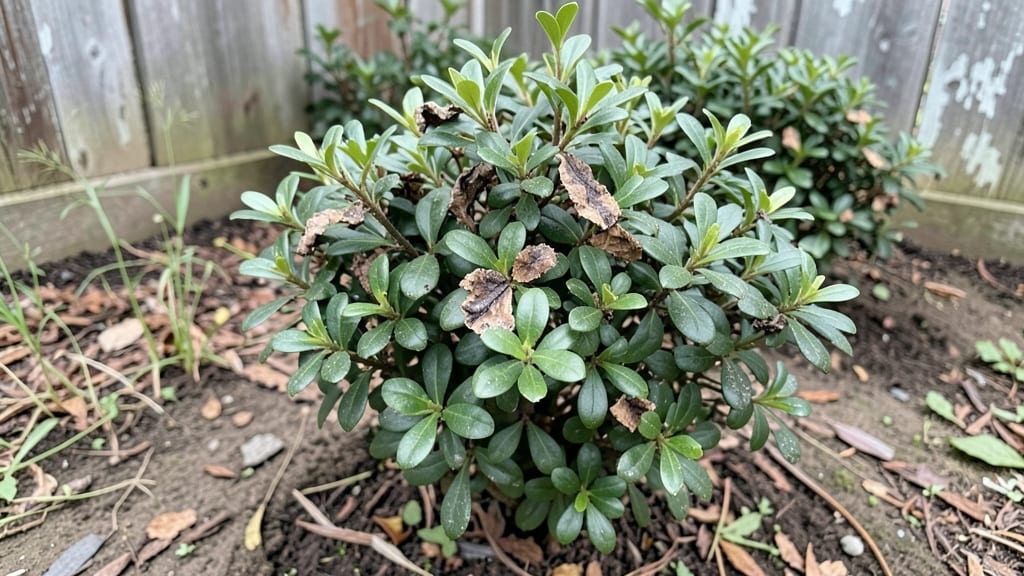
Boxwood plant diseases can turn your perfectly manicured hedges into a sad, brown mess—unless you catch them early. 🌿 I’ve seen box blight, leaf spot, and root rot ruin otherwise healthy shrubs, but the right diagnosis and treatment can save them.
The key is spotting the symptoms before they spread: dark spots on leaves, powdery growth, or wilting that won’t quit.
Most of these fungal threats thrive in damp, shaded conditions, so proper airflow and spacing are your first line of defense. I’ve learned that pruning for light penetration and avoiding overhead watering cuts down on infections by half.
Organic fungicides like neem oil or copper sprays work wonders when applied at the first sign of trouble, but chemical options exist for severe cases.
With the right approach, you’ll restore your boxwoods to their glossy, vibrant selves in just a few weeks. The secret is acting fast—once you recognize the signs, you can stop the spread and nurse your plants back to health. Let’s tackle those 12 common diseases one by one.
Whether you’re dealing with a single shrub or an entire hedge row, these strategies work for every scenario. The goal? Keeping your boxwoods looking sharp and disease-free all season long.
Underlying Causes Of Boxwood Decline
Boxwood plants, prized for their dense foliage and versatility in landscaping, are unfortunately susceptible to a range of fungal diseases. Understanding why these issues arise is the first step to prevention and treatment.
Below, we break down the key factors that create the perfect storm for boxwood plant diseases to take hold.
Fungal pathogens like Cylindrocladium (boxwood blight), Volutella (leaf spot), and Botrytis (gray mold) are the primary culprits behind boxwood diseases. These fungi thrive in moist, warm conditions and exploit weaknesses in the plant’s natural defenses. Here’s how they gain a foothold:
- Spore Spread: Fungal spores are lightweight and travel via wind, water, or even on tools, clothing, or pets. Once spores land on boxwood leaves or stems, they germinate under the right conditions—typically high humidity and temperatures between 60–80°F (15–27°C).
- Entry Points: Damaged tissue (from pruning, hail, or insect bites) provides easy access for fungi. Even minor wounds can become gateways for infection.
- Dormant Spores: Some fungi, like Cylindrocladium, can survive in soil or plant debris for years as dormant spores, waiting for the perfect moment to reactivate.
💡 Pro Tip: Remove all infected plant debris immediately—do not compost it. Burn or trash it in sealed bags to prevent spore survival.
Boxwoods are drought-tolerant once established, but excessive moisture is a leading cause of fungal diseases. Here’s why:
- Root Rot: Waterlogged soil cuts off oxygen to roots, weakening the plant and making it susceptible to Phytophthora (a water mold) and other pathogens.
- Fungal Feasting: Wet foliage creates a 24–48 hour window for spores to germinate and infect leaves. This is why diseases like Volutella leaf spot flare up after prolonged rain or overhead watering.
- Compacted Soil: Poor drainage (often from clay-heavy or poorly amended soil) traps moisture at the roots, creating a fungal paradise.
✨ Actionable Fix:
- Ensure boxwoods are planted in well-draining soil—amend with compost or sand if needed.
- Water at the base (use drip irrigation or soaker hoses) and avoid wetting leaves.
- Mulch with 2–3 inches of organic mulch (like pine bark) to improve soil structure and reduce evaporation.
Extreme temperatures—whether scorching heat or freezing cold—stress boxwoods, lowering their resistance to disease. Here’s how:
- Heat Stress: Prolonged exposure to 90°F (32°C)+ causes wilting and leaf scorch, creating openings for fungi like Botrytis to invade.
- Cold Damage: Freeze-thaw cycles can crack bark or kill foliage, leaving the plant vulnerable to secondary infections.
- Transplant Shock: Newly planted boxwoods are especially susceptible because their root systems haven’t adapted to local conditions, making them 3x more likely to succumb to disease.
🌡️ Prevention Tips:
- Provide afternoon shade in hot climates to reduce stress.
- Mulch heavily in winter to insulate roots from temperature swings.
- Avoid planting boxwoods in low-lying areas where cold air pools.
Boxwoods need a balanced diet, but imbalances—whether from deficiencies or excess—can weaken their immune system. Key issues include:
- Nitrogen Deficiency: Yellowing leaves (chlorosis) signal a lack of nitrogen, which slows growth and reduces the plant’s ability to fight off pathogens.
- Phosphorus/Potassium Imbalance: These nutrients strengthen cell walls and disease resistance. A deficiency leaves boxwoods more prone to root and foliar diseases.
- Over-Fertilization: Excess salts from synthetic fertilizers can burn roots, while too much nitrogen promotes soft, succulent growth—a fungal buffet.
📊 Soil Test First: Before fertilizing, test your soil’s pH (ideal: 6.0–7.0) and nutrient levels. Use organic, slow-release fertilizers (like 10-10-10) in early spring to avoid overfeeding.
Boxwoods planted too closely together or in shaded, enclosed spaces suffer from stagnant air, which traps moisture and spores. This is a recipe for:
- Botrytis Blight: Thrives in humid, still air (common in thick hedges).
- Powdery Mildew: Appears as white, dusty patches on leaves when airflow is restricted.
- Increased Spores: Poor circulation allows fungal spores to linger and multiply near the plant.
🎯 Solution:
- Space boxwoods 3–4 feet apart to improve airflow.
- Prune hedges to open the center (avoid shearing too tightly).
- Use fan-assisted ventilation in greenhouses or containers.
Quick Fixes for Boxwood Woes
Boxwoods are tough, but even the hardiest shrubs need a little TLC when fungal foes strike. The good news? Most boxwood diseases are manageable with the right approach.
Below, we’ve mapped out practical solutions for each common issue—plus prevention tips to keep your shrubs thriving long-term. No fancy tools required, just smart care!
🔥 Cause: Wet foliage, poor air circulation, or overwatering. 🍳 Fix It: - Prune aggressively 🔪: Remove and destroy (don’t compost!) all infected leaves and stems.
Sterilize pruners with rubbing alcohol between cuts. - Fungicide spray 💦: Apply a copper-based fungicide or neem oil every 7–10 days until new growth appears. Reapply after rain. - Improve airflow 🌬️: Thin out dense branches and avoid crowding plants. Space boxwoods at least 3–4 feet apart.
💡 *Prevention Pro Tips: ✔ Water at the base (avoid overhead sprinkling) and early in the day so leaves dry by evening. ✔ Mulch properly—keep mulch 2–3 inches away from stems to prevent moisture buildup. ✔ Avoid nitrogen-heavy fertilizers—they encourage soft, disease-prone growth.
🔥 Cause: Contaminated tools, infected plants, or humid conditions. 🍳 Fix It:
- Quarantine & remove 🚫: Dig up and dispose of severely infected plants (burn or trash—do not compost).
- Disinfect everything 🧼: Clean tools with 10% bleach solution (1 part bleach to 9 parts water) or 70% isopropyl alcohol.
- Fungicide treatment 🛡️: Spray with propiconazole or azoxystrobin (follow label rates) before symptoms appear if blight is common in your area.
💡 *Prevention Pro Tips: ✔ Buy blight-resistant varieties like ‘Green Velvet’ or ‘Winter Gem’. ✔ Rotate fungicides if you’ve had repeated outbreaks—don’t use the same type yearly. ✔ Avoid overhead irrigation—drip systems or soaker hoses reduce leaf wetness.
🔥 Cause: Stress from drought, poor drainage, or winter injury. 🍳 Fix It:
- Prune dead branches ⏰: Cut back all brown or mushy stems to healthy green wood. Sterilize tools between cuts.
- Hydrate & amend soil 💧: Water deeply 1–2 times per week (check soil moisture—it should be like a damp sponge). Add compost or peat moss to improve drainage.
- Fertilize lightly 🌱: Use a balanced, slow-release fertilizer (10-10-10) in early spring to boost recovery.
💡 *Prevention Pro Tips: ✔ Mulch heavily (3–4 inches) to retain moisture and protect roots in winter. ✔ Avoid pruning in fall—wait until early spring to reduce stress. ✔ Test soil pH—boxwoods prefer slightly acidic soil (6.0–6.5).
🔥 Cause: Overly wet soil, compacted or poorly draining areas. 🍳 Fix It:
- Improve drainage 🚿: Amend soil with sand, perlite, or compost to loosen heavy clay. Consider raising beds if water pools.
- Reduce watering 💧: Let the top 1–2 inches of soil dry out between waterings. Switch to drip irrigation if using overhead systems.
- Fungicide soil drench 🌱: Apply phosphite-based fungicides (like Phostrol) to the root zone for prevention.
💡 *Prevention Pro Tips: ✔ Plant boxwoods on mounds or slopes to avoid water pooling. ✔ Avoid planting in low spots where water collects after rain. ✔ Use raised beds in areas with high water tables.
🔥 Cause: Dry conditions, dusty leaves, or poor watering habits. 🍳 Fix It:
- Blast mites off 💦: Spray plants with a strong stream of water to dislodge eggs and mites.
- Neem oil or insecticidal soap 🛡️: Apply every 5–7 days for 2–3 weeks. Reapply after rain.
- Increase humidity 🌧️: Mist plants on hot days or use a hose-end spray nozzle for light foliage wetting.
💡 *Prevention Pro Tips: ✔ Keep leaves dust-free—hose them down monthly. ✔ Water consistently—mites thrive in drought stress. ✔ Encourage natural predators like ladybugs with companion planting (e.g., marigolds).
- Boost plant health 💪: Feed with fish emulsion or compost tea in spring to strengthen immunity.
- Avoid stress 🌿: Don’t prune heavily in summer heat or winter cold—wait for mild seasons.
- Rotate treatments 🔄: If using fungicides, alternate types to prevent resistance.
✨ Final Thought: Most boxwood diseases are preventable with good hygiene and smart watering. Once you’ve treated an outbreak, stay vigilant—healthy boxwoods are your best defense! 🚀
Frequently asked questions about boxwood plant diseases
What are the first signs my boxwoods might have a fungal disease?
Watch for dark brown or black spots on leaves, yellowing foliage, or a powdery white coating—these are classic symptoms. You may also notice wilting branches or stems that appear mushy when touched. Catching these early gives you the best chance to treat before the disease spreads.
Can I save a boxwood that’s already heavily infected?
It depends on the disease and how quickly you act. For mild cases, aggressive pruning of infected areas and fungicide treatment can revive the plant. However, if over 50% of the foliage is affected or the roots show rot, replacement may be the only option to prevent spread to healthy plants.
How often should I spray fungicide on my boxwoods?
Apply fungicide every 7–14 days during peak growing season (spring to early fall) if your area is prone to diseases. For prevention, two applications—one in early spring and another after summer rains—often suffice. Always follow product instructions and reapply after heavy rain.
Will pruning help prevent boxwood diseases?
Pruning improves airflow and removes infected leaves where spores hide. Always use sterilized tools (wipe with rubbing alcohol) and avoid shearing too tightly. Prune in early spring before fungal spores become active, and never prune in wet weather.
Are there organic options to treat boxwood diseases?
Yes! Neem oil, copper fungicide, and baking soda spray (1 tsp baking soda + 1 quart water + a drop of dish soap) are effective organic treatments. For severe cases, repeat applications every 7–10 days until symptoms disappear. Organic options work best as preventive care.