
Diseases
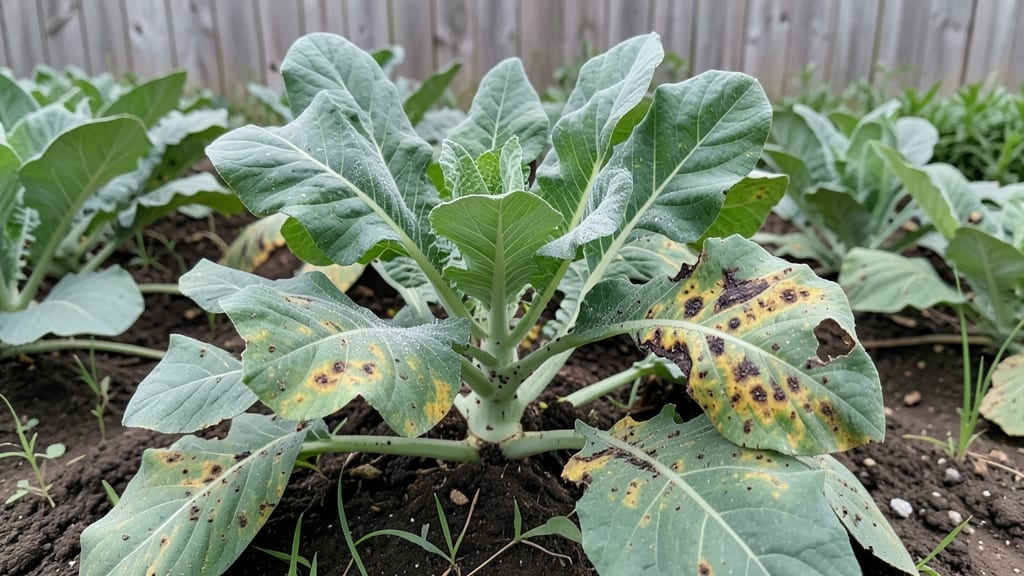
Cauliflower plant diseases like black rot and downy mildew can turn your crisp, white heads into a sad, yellowed mess—unless you catch them early. 🌿 I’ve seen entire harvests ruined by these sneaky fungal invaders, but I’ve also learned how to stop them before they take hold.
The key is knowing what to watch for and acting fast.
Most fungal problems start with wet leaves or crowded plants, so proper spacing and airflow are your first line of defense. I’ve found that 36-inch rows with 18-inch spacing between plants keeps air circulating, and removing lower leaves prevents moisture from lingering where fungi love to hide.
Organic sprays like neem oil or copper fungicide can also give your cauliflower a fighting chance.
When you spot the first signs—yellowing leaves, black streaks, or fuzzy white growth—act immediately. Prune infected leaves, rotate crops next season, and boost soil health with compost. A healthy plant fights off disease better than any chemical treatment. With these steps, you’ll protect your harvest and keep your garden thriving.
This works for home gardens, community plots, and even container growing—just adjust spacing slightly for smaller setups. The goal is simple: stop the spread before it starts. Let’s get your cauliflower back on track!
Root Causes of Cauliflower Ailments
Cauliflower plants, while resilient, are vulnerable to a range of diseases that can devastate crops if left unchecked. Understanding why these issues arise is the first step in prevention. Below, we break down the key culprits—from environmental stressors to microbial invaders—and explain the science behind their destructive behavior.
Cauliflower thrives in cool, stable conditions (ideal temperatures: 60–75°F), but extremes trigger stress responses that weaken defenses. Here’s how climate plays a role:
- Cold Stress: Temperatures below 50°F disrupt cell metabolism, making plants more susceptible to Xanthomonas campestris (black rot) and Erwinia carotovora (soft rot). Cold slows nutrient uptake, leaving plants malnourished and defenseless.
- High Humidity: Moisture levels above 70% create the perfect breeding ground for fungal pathogens like Plasmopara viticola (downy mildew). Excess humidity also delays drying between waterings, trapping spores on leaves.
- Temperature Swings: Rapid shifts (e.g., daytime heat followed by nighttime chill) shock the plant, reducing chlorophyll production and opening wounds where bacteria can enter.
💡 Pro Tip: Use row covers in early spring/fall to moderate temperature swings, and ensure 12+ hours of airflow around plants to reduce humidity buildup.
Cauliflower roots need consistent moisture, but waterlogging is a silent killer. Here’s the science:
- Oxygen Deprivation: Saturated soil forces roots to respire anaerobically, producing ethanol (toxic to plant cells). This weakens the root system, making it easier for Pythium and Phytophthora (water molds) to invade.
- Foliar Diseases: Overhead watering splashes spores from soil to leaves, accelerating Alternaria (leaf spot) and Botrytis cinerea (gray mold). These pathogens thrive in wet leaf surfaces.
- Nutrient Leaching: Excess water flushes away calcium and magnesium, critical for cell wall integrity. Deficient plants are 3x more likely to crack or rot.
🔥 Action Step: Test soil moisture with a moisture meter—water only when the top 1–2 inches are dry. Use drip irrigation to avoid wetting foliage.
Soil-borne pathogens persist for years if not managed properly. Here’s how they hijack your cauliflower:
| Pathogen | How It Spreads | Why It Thrives |
|---|---|---|
| Verticillium dahliae (wilt) | Survives in infested soil or old crop debris for 10+ years. | Exploits root wounds from poor transplanting or mechanical damage, blocking water transport. |
| Sclerotinia sclerotiorum (white mold) | Produces hard, black sclerotia in soil that germinate when conditions are moist and cool. | Infects through flower petals or senescing leaves, then spreads via mycelial strands. |
| Fusarium oxysporum (fusarium wilt) | Carried by contaminated seeds or infected plant debris. | Releases toxins that clog xylem vessels, causing vascular collapse. |
🌡️ Prevention Hack: Practice 3–4 year crop rotation with non-brassica plants (e.g., legumes, grasses) to starve soil-borne pathogens. Solarize soil in summer (110°F+ for 4–6 weeks) to kill sclerotia.
Stressed cauliflower is an open invitation to disease. Here’s how pests and deficiencies set the stage:
- Insect Damage:
- Cabbage loopers and aphids create entry points for bacteria (e.g., Pseudomonas).
- Flea beetles chew 50+ holes/leaf, increasing surface area for fungal spores.
- Nutrient Deficiencies:
- Low Calcium: Causes blossom-end rot in heads, making them susceptible to Botrytis.
- Nitrogen Starvation: Yellowing leaves reduce photosynthetic energy, weakening the plant’s immune response.
- Competition: Overcrowded plants block airflow, trapping moisture and spores. Aim for 18–24 inches between plants.
✨ Quick Fix: Apply neem oil to deter pests, and side-dress with calcium-rich compost (e.g., crushed eggshells) to fortify cell walls.
By addressing these root causes—climate control, water management, soil health, and plant resilience—you can dramatically reduce the risk of cauliflower diseases before they take hold. The key is proactive care, not reactive treatment.
Quick Fixes for Common Cauliflower Ailments
When your cauliflower plants show signs of distress, acting fast can mean the difference between a thriving crop and a lost harvest. Below are practical, step-by-step solutions tailored to the most common fungal blights and diseases, along with prevention tips to keep your plants healthy long-term.
Cause: Overcrowded plants, poor airflow, or excessive moisture. Fix:
- 🔥 Remove infected plants immediately – Snip off diseased leaves or pull entire plants to prevent spread. Dispose of them in the trash (not compost).
- 🍳 Apply a copper fungicide spray – Use it at the first sign of yellowing or white fuzzy growth. Follow label instructions for coverage.
- 👨🍳 Improve airflow – Space plants 18–24 inches apart and prune lower leaves to reduce humidity near the soil.
- 🥘 Water at the base only – Avoid overhead watering, especially in the evening, to keep foliage dry.
💡 Prevention Tip: Rotate crops yearly—don’t plant cauliflower or other brassicas (like cabbage or kale) in the same spot for at least 3 years.
Cause: High humidity, warm temperatures, or weak plant resistance. Fix:
- 🌡️ Baking soda spray – Mix 1 tbsp baking soda, 1 tsp dish soap, and 1 gallon of water. Spray on both sides of leaves every 7–10 days.
- ✨ Neem oil treatment – Apply neem oil (1 tsp per quart of water) to smother spores. Reapply after rain.
- 🎯 Thin out plants – Ensure good spacing (18–24 inches) to reduce humidity buildup.
- 🌞 Increase sunlight – Powdery mildew thrives in shade. If possible, move plants to a sunnier spot.
💡 Prevention Tip: Choose resistant varieties like ‘Snowball Y Improved’ or ‘Purple of Sicily’ for better natural defense.
Cause: Plasmodiophora brassicae fungus in infected soil. Fix:
- 🔪 Soil solarization – Cover soil with clear plastic for 4–6 weeks in hot weather to kill pathogens.
- 🌱 Lime the soil – Test pH and raise it to 6.5–7.0 (club root thrives in acidic soil). Add agricultural lime as needed.
- 🥗 Resistant varieties – Plant ‘Crystal Head’ or ‘Snowball’ cauliflower, which tolerate club root better.
- 🚫 Avoid contaminated soil – If your garden has a history of club root, consider raised beds with fresh, disease-free soil.
💡 Prevention Tip: Never plant brassicas in the same spot if club root was present—rotate with non-host plants like beans or tomatoes.
Cause: Cool, wet conditions and poor drainage. Fix:
- 🍳 Copper fungicide or serenade – Spray every 7–14 days once you spot yellow spots with purple undersides.
- 👨🍳 Improve drainage – Amend heavy clay soil with compost or sand to prevent waterlogging.
- 🥘 Mulch properly – Use straw or grass clippings to keep soil moist but not soggy.
- ⏰ Adjust planting time – If possible, avoid sowing in late summer when downy mildew is most active.
💡 Prevention Tip: Plant in well-drained raised beds and avoid overhead irrigation.
To keep your cauliflower plants healthy year-round: ✅ Rotate crops – Never plant brassicas in the same spot two years in a row. ✅ Clean up debris – Remove old plant matter after harvest to eliminate fungal overwintering spots. ✅ Monitor humidity – Use a fan in greenhouses or shade cloth outdoors to reduce moisture. ✅ Test soil – Ensure proper pH (6.0–7.0) and fertility before planting.
By catching diseases early and following these simple, actionable steps, you’ll give your cauliflower plants the best chance to thrive—without losing a single head to blight! 🚀
Frequently asked questions
What are the most common signs of fungal infections in cauliflower plants?
Watch for yellowing leaves with black or brown spots (black rot), white fuzzy growth on undersides (downy mildew), or powdery white patches (powdery mildew). Club root causes distorted roots and stunted growth, while bacterial soft rot creates mushy, foul-smelling stems. Act fast when you spot these symptoms—early removal prevents spread.
Can I still harvest cauliflower if it shows disease symptoms?
Only harvest if the disease is limited to outer leaves and hasn’t reached the head. For fungal issues like downy mildew, remove infected outer leaves but keep the central head if it’s still firm. With bacterial diseases (e.g., black rot), discard the entire plant—these spread quickly and can contaminate your harvest.
How often should I spray preventative treatments like neem oil?
Apply neem oil or copper fungicide every 7–14 days during high-risk periods (spring/fall) or after heavy rain. For organic baking soda sprays (1 tbsp baking soda + 1 tsp soap per gallon), repeat weekly. Always spray in the early morning so leaves dry quickly—wet foliage invites fungal spores.
Will crop rotation really help prevent cauliflower diseases?
Rotating with non-brassica plants (like beans, tomatoes, or legumes) breaks the disease cycle. Soil-borne pathogens (e.g., club root) can survive for years, but rotating starves them. For maximum protection, avoid planting brassicas in the same spot for 3–4 years
What’s the best way to dispose of infected cauliflower plants?
Never compost diseased plants—toss them in the trash instead. Fungal spores and bacteria can survive composting, reinfecting your soil. For severe cases (like club root), double-bag infected plants and remove them from your garden area entirely to prevent contamination.