Planting
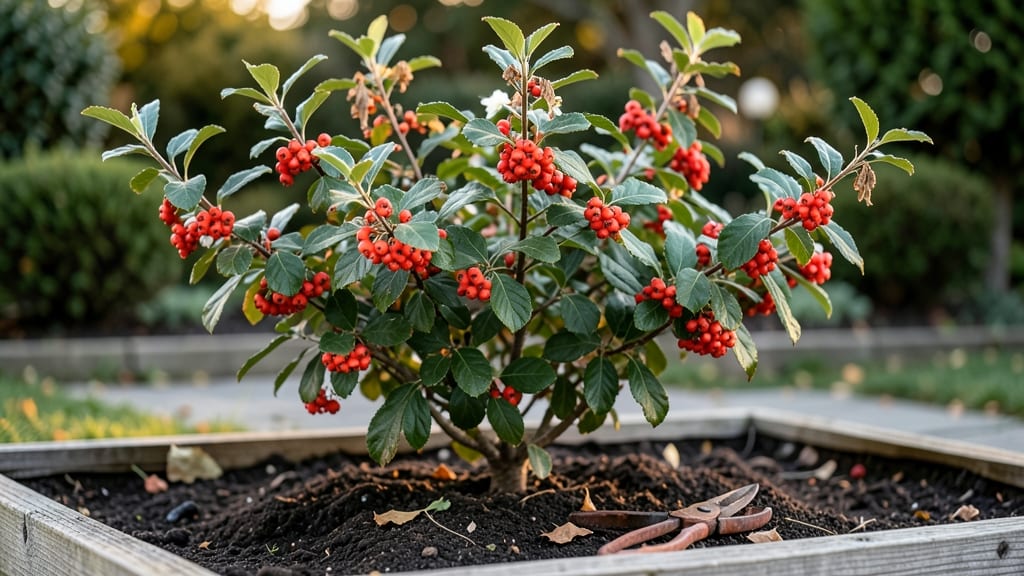
Growing coral bush plants (Hamelia patens) means drought-resistant blooms that last from spring through frost—no fuss, just stunning tubular flowers in fiery red-orange hues. 🌿 I’ve watched mine thrive in full sun while neighbors’ plants wilted during dry spells, and the secret isn’t complicated: it’s all about the soil, water, and a little strategic pruning.
The key to success starts with well-draining soil—think sandy loam or a mix with perlite—and planting in a spot that bakes in full sun (at least 6 hours daily). Water deeply but infrequently; coral bushes despise soggy roots, so let the top 2–3 inches dry out between waterings.
Once established, they’ll drink sparingly, making them perfect for low-maintenance gardens or water-wise landscapes.
By late spring, you’ll see clusters of those signature blooms appearing, and with proper pruning after flowering, your plant will stay compact and bushy. The flowers attract hummingbirds, so you’ll get bonus wildlife visitors while enjoying vibrant color that lasts until frost.
Even in my zone 7 garden, this plant keeps blooming with minimal effort.
Whether you’re a beginner or a seasoned gardener, coral bush delivers foolproof results with striking color and resilience. Let’s get yours planted and thriving—it’s easier than you think!
📚 In This Guide
- What you need
- Instructions
- Tips and common mistakes
- Wrapping up and next steps
What you need
- ● Coral bush plant: 1 nursery-grown specimen (3–4 feet tall, ideally in a 1-gallon container). Pro tip: 💡 Choose a healthy plant with sturdy stems and no signs of pests.
- ● Well-draining soil: 5–10 cubic feet of a mix of cactus/succulent soil (60%), perlite (20%), and sand (20%). Avoid heavy clay!
- ○ Container (optional but recommended): For pots: 1–2 large containers (18–24 inches in diameter) with drainage holes.
- ● For in-ground planting: Ensure the soil is amended if native soil is dense.
- ● Fertilizer: 1 bag of low-nitrogen, slow-release granular fertilizer (e.g., 5-10-10 ratio) or organic compost (1 cup per plant).
- ● Mulch: 2–3 cubic feet of gravel or coarse bark mulch to retain moisture and deter weeds.
- ● Gardening gloves (1 pair) – to protect your hands from thorns.
- ● Trowel or spade – for digging holes (6–8 inches deep and wide for containers, 12–18 inches for in-ground planting).
- ● Watering can or hose with a gentle spray nozzle – coral bushes hate soggy roots!
- ○ Pruning shears (optional) – for shaping or trimming after planting.
- ○ pH testing kit (optional) – coral bushes thrive in slightly acidic to neutral soil (pH 6.0–7.0).
- ● Sunlight: A full-sun location (6+ hours of direct sunlight daily). Partial shade is tolerable but may reduce blooms.
- ● Drought tolerance: Coral bushes are extremely low-maintenance—water only when soil is completely dry (usually every 2–3 weeks once established).
- ● Hardiness zone: Plant in USDA zones 7–10. In colder zones, grow in containers for winter protection.
Step-by-step instructions for planting coral bush
Coral bush thrives with minimal fuss—here’s how to establish it for vibrant, drought-resistant blooms.
🌱 Step 1: Choose the Right Location and Soil
Coral bush craves full sun—at least 6 hours daily—and tolerates poor, well-draining soil. I always plant mine in a spot with afternoon sun exposure, as this prevents leaf scorch in hot climates. The soil should be slightly alkaline to neutral (pH 6.0–7.5), which coral bush prefers over acidic conditions.
If your soil is heavy clay, amend it with 2–3 inches of coarse sand or gravel to improve drainage. Coral bush roots despise soggy conditions, so raised beds or slopes work beautifully. Test your soil’s drainage by digging a 6-inch hole, filling it with water, and checking if it drains within 1 hour. If not, mix in additional organic matter like composted leaves or pine bark fines.
🪴 Step 2: Plant at the Correct Depth and Spacing
Dig a hole twice as wide as the root ball but no deeper—coral bush roots should sit 1 inch above the surrounding soil level to prevent rot. Gently loosen the roots if they’re circling the pot, then place the plant in the hole. Backfill with native soil, pressing lightly to eliminate air pockets but avoiding compaction.
Space plants 6–10 feet apart for mature size, depending on the variety. Coral bush grows into a large shrub, so crowding leads to weak stems and fewer blooms. Water deeply after planting to settle the soil and encourage root expansion. Mulch with 2–3 inches of wood chips around the base, keeping it 6 inches away from the trunk to prevent moisture buildup.
☀️ Step 3: Water Sparingly and Monitor Growth
Coral bush is drought-tolerant once established, but new plants need deep watering every 7–10 days during the first growing season. Water at the base only, avoiding the foliage to prevent fungal issues. You’ll know it’s time to water when the top 2 inches of soil feel dry—stick your finger in to check.
Fertilize lightly in early spring with a balanced, slow-release fertilizer (10-10-10) to encourage blooms. Overfeeding leads to lush foliage but fewer flowers, which is the opposite of what we want. Prune back any dead or crossing branches in late winter to shape the plant and promote airflow. Coral bush blooms on old wood, so avoid heavy pruning after mid-summer.
✂️ Step 4: Prune for Shape and Encourage More Blooms
Prune coral bush immediately after flowering to maintain its natural shape and encourage next year’s blooms. Remove 1/3 of the oldest stems at the base to rejuvenate the plant. This prevents it from becoming woody and leggy over time. Use clean, sharp pruners to make cuts at a 45-degree angle, just above a leaf node or bud.
Watch for signs of stress like yellowing leaves or sparse blooms—these often indicate overwatering or poor drainage. Coral bush is tough, but it won’t forgive soggy roots. If you notice powdery mildew on the leaves, treat it with neem oil and improve airflow by thinning out dense growth. With the right care, your coral bush will reward you with vibrant red-orange blooms from late summer through fall.
Tips & tricks for perfect coral bush planting
Here's what I've learned after years of growing these drought-resistant beauties—small details make all the difference.
Location Intelligence: That 6 hours of full sun requirement is non-negotiable, but here's the secret: morning sun is your friend, while hot afternoon sun can scorch leaves. I plant mine on the north side of fences or buildings to get morning sunlight without the afternoon intensity. In desert climates, a bit of afternoon shade during peak summer months actually improves survival rates.
Soil Preparation Strategy: Don't just amend heavy clay—test that drainage first! The 1-hour drainage test is your best friend. If water pools after an hour, you need more sand or gravel. Pro tip: Mix in 20% perlite with your sand amendment for even better aeration. Coral bush roots need oxygen as much as they need water to move away from.
Planting Depth Secret: That 1-inch above soil level rule prevents crown rot, but here's what nobody tells you—if you're planting in cooler climates, you can bury the root ball slightly deeper (up to 1/2 inch) for extra winter protection. Just make sure to mound soil around the base to prevent water pooling during spring thaws.
Watering Wisdom: The 7–10 day watering schedule works, but timing matters more than frequency. Water in the early morning (before 8 AM) to minimize evaporation and fungal risks. I use a soaker hose placed at the base to deliver water slowly and directly to the roots where it's needed most.
Pro Tips for Coral Bush Plant
- Here's what I've learned after years of growing these drought-resistant beauties—small details make all the difference.
- Location Intelligence: That 6 hours of full sun requirement is non-negotiable, but here's the secret: morning sun is ...
- Soil Preparation Strategy: Don't just amend heavy clay—test that drainage first! The 1-hour drainage test is your bes...
Frequently asked questions
Got questions about growing your coral bush plant? You’re not alone! Here are answers to the most common queries—from care tips to troubleshooting—to help you keep your plant thriving with minimal fuss and maximum beauty.
How often should I water my coral bush plant?
Water your coral bush deeply but infrequently—about once every 1-2 weeks during dry spells, or when the top 2-3 inches of soil feel dry. Overwatering is the #1 killer! These drought-resistant beauties store water in their stems, so let the soil dry out completely between waterings to avoid root rot.
When is the best time to prune my coral bush?
Prune your coral bush right after flowering (late winter to early spring) to shape it and encourage denser growth. You can also do a light trim in summer to control size, but avoid heavy pruning then—it might reduce blooms. Use clean, sharp shears and sterilize them with rubbing alcohol to prevent disease.
Can coral bush plants survive in full sun or shade?
Coral bushes love full sun (6+ hours daily) for the brightest blooms, but they tolerate partial shade (4-6 hours of sun) in hot climates. In deep shade, expect fewer flowers and leggy growth. If your plant looks stretched or pale, it’s craving more sunlight!
What pests commonly attack coral bush plants, and how do I treat them?
Watch for aphids, spider mites, or scale insects—they love coral bushes too! For mild infestations, spray with neem oil or insecticidal soap. For stubborn pests, wipe leaves with a soapy water solution (1 tsp mild soap per quart of water) or use horticultural oil. Prevention tip: Keep your plant healthy with proper watering and pruning!
Are there any low-maintenance alternatives to coral bush?
If you want drought-tolerant, colorful shrubs with less fuss, try:
- Texas Sage (Cenizo) – Thrives in heat, blooms purple/pink, and loves dry soil.
- Bougainvillea – Vibrant, fast-growing, and super hardy in warm climates.
- Lantana – Drought-resistant, attracts butterflies, and blooms in endless colors.
- Salvia – Fragrant, deer-resistant, and bee-magnet with minimal care.
Wrapping up and next steps
The coral bush plant is a stunning, low-maintenance addition to any garden, offering vibrant blooms and drought resistance that even beginners can handle. With the right soil, sunlight, and occasional care, you’ll enjoy its cheerful flowers year-round—making it a must-have for sunny landscapes. 🌸
Ready to transform your outdoor space? Start by selecting a sunny spot, gathering your supplies, and planting with confidence! For extra flair, pair it with complementary drought-tolerant plants or create a pollinator-friendly garden. Happy growing! 🌱