
Plants
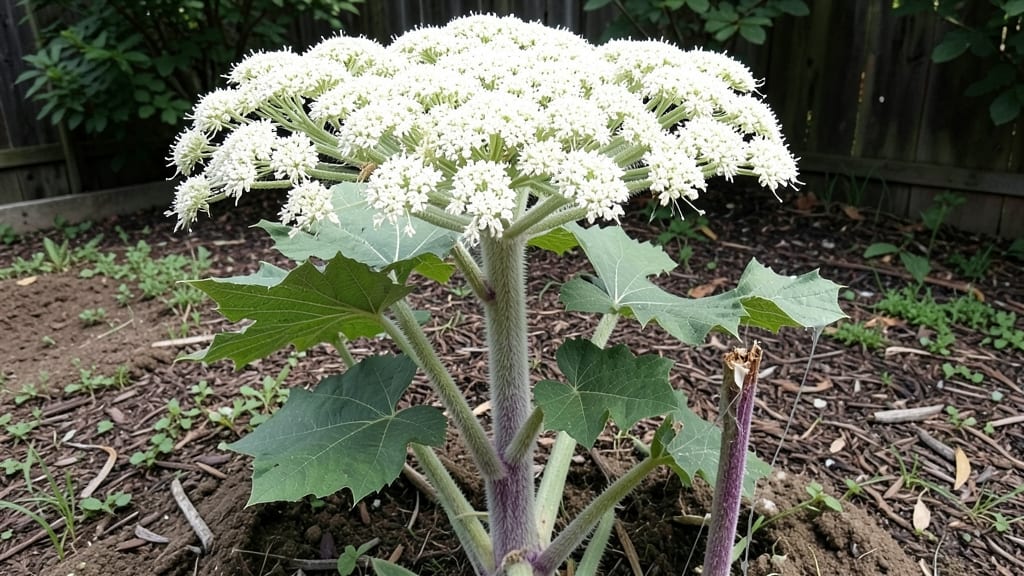
Hogweed plant burns happen when its toxic sap triggers severe skin reactions—think painful blisters and long-term scarring from just a brush against the stems. 🌿 I learned this the hard way after a hike left me with a rash that lasted weeks, and now I know exactly how to handle it before it becomes a medical emergency.
The sap contains phototoxins that react with sunlight, so even a small contact can turn into a nasty burn within hours. You’ll need gloves, long sleeves, and a way to neutralize the sap immediately—vinegar works, but there are better options for deep cleaning skin.
The key is acting fast before the reaction spreads.
You’ll walk away knowing how to identify hogweed (those 10-foot stalks with umbrella-shaped flowers), how to safely remove it from your property, and what to do if you or someone else gets exposed. The right first-aid steps can prevent lasting damage, and I’ll show you exactly what to use.
This isn’t just for gardeners—hikers, campers, and even city dwellers near overgrown areas need to know this. Let’s make sure you’re prepared the next time you spot this dangerous plant lurking in the wild.
How Contact Burns Occur
When you encounter Giant Hogweed (Heracleum mantegazzianum) or its close relatives, you’re not just dealing with an overgrown garden nuisance—you’re facing a plant with a hidden danger. The burns it causes aren’t from heat or friction but from a phototoxic reaction triggered by its sap.
Here’s why this happens and how the plant’s chemistry turns sunlight into a skin hazard.
The primary culprit behind hogweed burns is a group of compounds called furocoumarins (or psoralens). These natural chemicals lurk in the plant’s sap and stem juice, acting like invisible sunblock—but with a dangerous twist.
- How it works: When hogweed sap touches your skin, furocoumarins soak in and bind to your skin cells. Later, when exposed to UV light (especially UVA rays), these chemicals create highly reactive molecules that damage your skin’s DNA.
- Speed of reaction: Burns can appear within 15–48 hours after contact, depending on UV exposure. The longer you’re in the sun post-contact, the worse the reaction.
- Severity scale:
- Mild: Redness, itching, or a rash (like a bad sunburn).
- Moderate: Blisters, swelling, and peeling skin.
- Severe: Deep, painful burns resembling second-degree burns, with long-term scarring or pigmentation changes.
Pro tip: 🌡️ Higher UV index = worse burns. Even cloudy days deliver UVA rays, so assume any outdoor exposure after contact is risky.
Hogweed sap alone won’t burn you—it needs UV light as a catalyst. Here’s the step-by-step process:
- Contact: Breaking the plant’s stem or leaves releases sap, which contains furocoumarins. These chemicals are lipophilic (fat-loving), so they easily penetrate your skin.
- Absorption: The furocoumarins bind to proteins and DNA in your skin cells. This step can happen even if you wash immediately—the chemicals are stubborn.
- UV Activation: When sunlight hits the treated skin, UVA rays (320–400 nm) trigger a photochemical reaction. This creates free radicals that damage cell membranes and DNA, leading to inflammation and blistering.
- Delayed Reaction: Unlike a thermal burn, hogweed reactions worsen over hours. The peak pain and blistering often occur 24–72 hours later.
Key fact: 🔥 UVA rays penetrate glass and clouds, so you can still get burned if you’re near a window or under shade after contact.
Not everyone exposed to hogweed suffers the same fate. Several factors influence how severely your skin reacts:
| Factor | Why It Matters | Actionable Tip |
|---|---|---|
| Skin Type | Fair skin (types I–III) has less melanin to protect against UV damage, making it more vulnerable to phototoxic reactions. | If you have light skin, avoid hogweed entirely—there’s no safe exposure level. |
| Amount of Sap Exposure | More sap = higher concentration of furocoumarins. Even tiny droplets can cause reactions if UV-exposed. | Wear long sleeves and gloves when near hogweed, even for "quick" tasks. |
| Time Between Contact and Sun Exposure | The longer furocoumarins sit on your skin, the deeper they penetrate. Washing within 10 minutes reduces risk but doesn’t eliminate it. | Rinse with soapy water immediately, then re-wash 24 hours later to remove lingering chemicals. |
| UV Exposure Duration | Every additional hour in the sun amplifies the reaction. Direct sunlight (10 AM–4 PM) is the worst. | Avoid the sun for 48 hours after potential hogweed contact. Use UPF clothing if you must be outside. |
| Individual Sensitivity | Some people develop allergic contact dermatitis in addition to phototoxicity, leading to even more severe reactions. | If you’ve reacted before, carry a hogweed ID guide and avoid the plant at all costs. |
Warning: 🚨 Children are at higher risk because their skin is thinner and more permeable to chemicals.
Quick Fixes for Hogweed Burns
Dealing with a giant hogweed burn can feel alarming, but prompt action minimizes long-term damage. Below are targeted solutions based on the cause of your reaction—whether it’s direct skin exposure, sap contact, or lingering irritation—and how to neutralize the effects safely.
If you’ve already touched hogweed and are experiencing blistering, redness, or swelling, act fast to reduce pain and prevent scarring.
What to do:
- 🔥 Wash the area immediately with cool (not cold) water for 10–15 minutes to flush out sap.
- 🧴 Apply a soothing burn gel like aloe vera or hydrocortisone cream (1%) to calm inflammation.
- 🛡️ Cover with a sterile bandage if blisters form to prevent infection.
- ❄️ Use ice packs (wrapped in cloth) for 10-minute intervals to numb pain and reduce swelling.
⚠️ Avoid:
- Popping blisters (risk of infection).
- Using alcohol, hydrogen peroxide, or harsh soaps (they can worsen irritation).
If you suspect sap residue is still on your skin (even after washing), these steps help break it down safely.
What to do:
- 🧼 Wash with mild soap and water (like Castile soap) to remove surface sap.
- 🍋 Apply diluted vinegar or lemon juice (1:1 with water) to neutralize the sap’s phototoxic compounds (test a small area first).
- 🌿 Use plant-based oils (like coconut or olive oil) to create a barrier and lock in moisture.
💡 Pro Tip: If you’re outside near hogweed, wear long sleeves, gloves, and UV-blocking clothing—the sap’s reaction worsens with sunlight!
Some reactions require medical attention, especially if:
- Blisters are large or oozing pus (sign of infection).
- Pain is severe or spreading beyond the contact area.
- You develop fever or chills (signs of a systemic reaction).
A doctor may prescribe oral steroids or antibiotics if needed.
The best way to avoid hogweed burns? Stay away—and prepare ahead!
What to do:
- 🔍 Learn to identify hogweed (tall, purple-stemmed, with large leaf umbrellas).
- 🚫 Avoid tall grass and riverbanks where it thrives.
- 🛡️ Wear protective gear (gloves, long sleeves, sunglasses) if you must work near it.
- 🌿 Keep pets and kids away—their skin is more sensitive!
💡 Pro Tip: If you’re in an area with hogweed, spray vinegar or boiling water on the plant to weaken it (but wear gloves!).
Final Note: Hogweed burns are serious but manageable with quick action. Stay vigilant, and when in doubt, wash, soothe, and seek help if needed!
Frequently asked questions
What does a hogweed plant burn look like?
Hogweed burns start as red, inflamed patches that develop into painful blisters within 15-48 hours after sun exposure. The affected area may swell, peel, and resemble severe sunburn or second-degree burns. Unlike regular burns, the pain often peaks 24-72 hours after contact.
How long do hogweed burns last?
Mild reactions may heal in 1-2 weeks with proper care, while severe burns can take 3-4 weeks or longer. Scarring or pigmentation changes may occur if the skin is deeply affected. Always monitor for signs of infection like pus or increasing pain.
Can I treat hogweed burns at home?
Yes, but act quickly! Wash the area with cool water and mild soap for 10-15 minutes, then apply aloe vera or hydrocortisone cream. Avoid sun exposure for 48 hours and cover blisters with sterile bandages. Seek medical help if blisters are large or oozing.
How can I prevent hogweed burns?
Wear long sleeves, gloves, and sunglasses when near tall plants. Learn to identify hogweed (purple-stemmed with umbrella-shaped flowers) and avoid touching it. If you must remove it, wear protective gear and use vinegar or boiling water (with caution).
Will vinegar help neutralize hogweed sap?
Yes, diluted vinegar (1:1 with water) can help break down the phototoxic compounds in hogweed sap. Apply it to affected skin immediately after contact, then wash thoroughly. Test a small area first to check for irritation. For deep burns, medical treatment is still recommended.