Plants
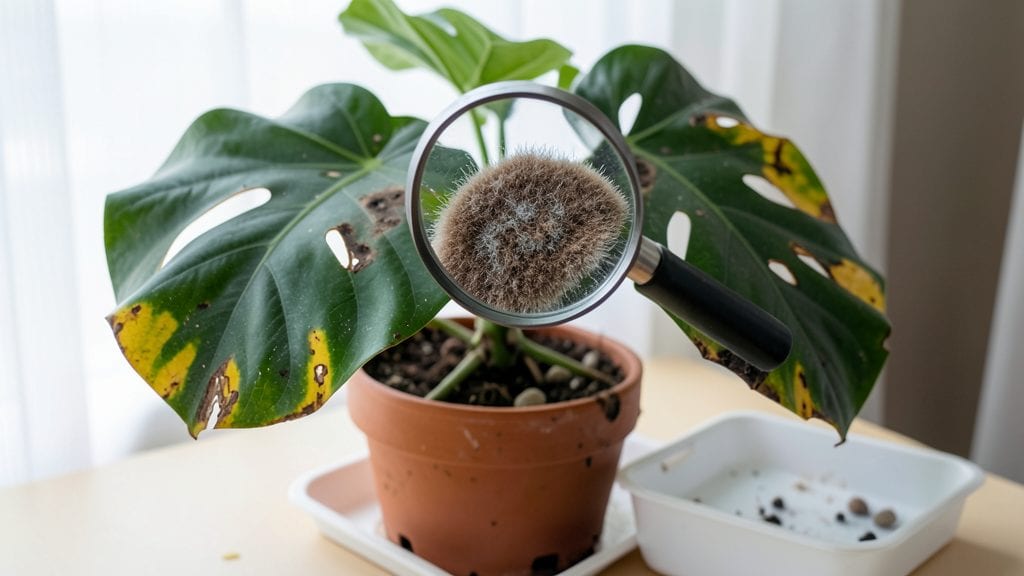
That fuzzy, creeping house plant fungus is more than just an eyesore—it’s a stealthy menace that can turn your thriving green friends into sad, shriveled relics in weeks. 🌱 I’ve lost more than a few favorites to that telltale black, brown, or fuzzy mold, and I learned the hard way that ignoring it only makes things worse.
The good news? You can stop it in its tracks with the right moves.
Most fungus shows up because of two things: too much water and not enough airflow. Overwatering drowns roots, creating the damp, dark conditions fungi love, while crowded leaves trap moisture. My snake plant nearly died from powdery mildew until I thinned its leaves and let air circulate.
The fix starts with adjusting your watering routine—let the top inch of soil dry out before watering again—and giving plants room to breathe.
Once you spot the problem, act fast. Snip off infected leaves with clean scissors, isolate the plant to prevent spread, and wipe down healthy foliage with a mix of water and a little dish soap.
For stubborn cases, a fungicide spray (like neem oil or copper-based treatments) works wonders. Within a week, you’ll see fresh, fungus-free growth pushing through.
Prevention is easier than cleanup. Check plants weekly for early signs, avoid misting leaves in low-light spots, and keep humidity in check—especially in winter when indoor air gets dry. Trust me, a little vigilance now saves you from watching your green babies wither away.
Root Causes Of Fungal Spread
Fungal infections in houseplants aren’t random—they thrive when specific conditions align. Understanding the why behind these outbreaks helps you act fast and prevent future flare-ups.
Below, we break down the most common triggers, from environmental factors to plant health red flags, so you can spot the warning signs before they worsen.
Fungi love moisture, and overwatering creates the perfect breeding ground. When soil stays soggy for days (or weeks), fungal spores—like those from Botrytis (gray mold) or Phytophthora (root rot)—germinate and spread rapidly. Here’s the science:
- Why it happens: - Oxygen deprivation: Roots need oxygen to respire. Waterlogged soil forces them to switch to anaerobic respiration, weakening the plant and making it susceptible to fungal invasion. - Spores thrive: Fungal spores float in water or cling to damp surfaces.
Even a single spore can multiply into a full-blown infection in 24–48 hours if conditions are ideal. - pH shifts: Overwatering leaches nutrients and alters soil pH, creating an acidic environment that some fungi (e.g., Fusarium) prefer.
- Actionable fix:
- Let the top 1–2 inches of soil dry out between waterings (adjust for humidity/climate).
- Use well-draining pots with holes and a mix of perlite, orchid bark, or sand to improve aeration.
- Pro tip: 💡 If your plant’s leaves feel mushy or the soil smells like rot, it’s already too late—repot in fresh, sterile soil immediately.
Humidity isn’t inherently bad, but stagnant, moist air is a fungal magnet. Bathrooms, kitchens, and closed terrariums create microclimates where spores linger and infect plants like Alternaria (black spot) or Powdery Mildew.
- Why it happens:
- Spores stay airborne: Humidity keeps fungal spores suspended in the air, increasing the chance of them landing on leaves or stems.
- Leaf surface moisture: Dew, condensation, or misting leaves behind a film of water, which fungi use to penetrate plant tissue.
- Slow evaporation: Without airflow, water evaporates slowly, prolonging the damp conditions fungi crave.
- Actionable fix: - Space plants apart (6–12 inches) to improve air circulation. - Use a fan on low speed near humid areas (but avoid direct drafts on delicate leaves). - Mist in the morning so leaves dry by evening, or use a sprayer with a fine mist to reduce water pooling. - Pro tip: 🌡️ Ideal humidity for most houseplants: 40–60%.
Use a hygrometer to monitor levels.
Stressed plants are like open doors for fungi. Nutrient deficiencies, pests, or physical damage create entry points for pathogens like Rhizoctonia (which causes damping-off in seedlings).
- Why it happens: - Nutrient imbalances: Lack of phosphorus or potassium weakens cell walls, making them easier for fungi to breach. - Pest damage: Chewing insects (e.g., spider mites, aphids) create wounds where spores can infect.
Even fungal-feeding pests (like mealybugs) introduce harmful microbes. - Transplant shock: Newly repotted plants with disturbed roots are vulnerable for 2–4 weeks post-transplant.
- Actionable fix: - Fertilize regularly with a balanced formula (e.g., 10-10-10) or a fungus-fighting amendment like compost tea. - Inspect leaves weekly for pests or damage.
Treat infestations with neem oil or insecticidal soap before they spread. - Quarantine new plants for 2 weeks to monitor for stress or disease before introducing them to your collection.
Fungal spores are everywhere—on garden tools, old pots, or reused soil. Even a single contaminated leaf or clump of soil can reintroduce pathogens like Pythium or Sclerotinia.
- Why it happens:
- Tool cross-contamination: Pruners, trowels, or scissors used on infected plants can transfer spores to healthy ones.
- Reused soil: Old potting mix may harbor dormant spores that reactivate when conditions are right.
- Infected cuttings: Propagating from a diseased plant ensures the new growth starts compromised.
- Actionable fix:
- Sterilize tools between uses with 70% isopropyl alcohol or a 10% bleach solution (rinse well).
- Use fresh, sterile potting mix (or bake old soil at 200°F for 30 minutes to kill spores).
- Pro tip: ✨ For cuttings, dip the base in cinnamon powder (natural antifungal) or hydrogen peroxide (3%) for 10 minutes before planting.
Rapid temperature swings stress plants, making them more susceptible to fungal infections. Cold nights followed by warm days (common near windows) create the perfect storm for gray mold or leaf spot.
- Why it happens:
- Condensation buildup: Temperature drops cause moisture to condense on leaves, mimicking a misting session.
- Metabolic slowdown: Cold stress weakens the plant’s ability to produce phytoalexins (natural antifungal compounds).
- Fungal growth spurts: Some fungi (e.g., Phytophthora) grow faster at 60–80°F—ideal indoor temps for outbreaks.
- Actionable fix:
- Avoid placing plants near drafty windows, AC vents, or heaters.
- Group plants together to create a stable microclimate (they’ll regulate each other’s humidity/temp).
- Pro tip: 🎯 If your home gets chilly at night, use a plant heat mat (set to 65–70°F) for sensitive species like ferns or calatheas.
Fixing Fungal Issues Fast
Fungal infections in houseplants can feel like a losing battle—but they’re not! With the right approach, you can stop the spread, save your plants, and prevent future outbreaks.
Below, we break down the most common causes of fungal issues (like powdery mildew, root rot, and leaf spots) and give you practical, step-by-step fixes—plus tips to keep your green friends healthy long-term.
Signs: Yellowing leaves, mushy stems, foul-smelling soil, or moldy roots.
How to Fix It:
- 🚰 Stop Watering Immediately
- Let the top 2–3 inches of soil dry out before watering again. Stick your finger in the soil—if it’s damp past your first knuckle, wait.
- 🧼 Repot in Fresh Soil (If Needed)
- Gently remove the plant from its pot and trim away black, mushy roots with sterilized scissors.
- Rinse the roots with hydrogen peroxide (3%) or fungicide solution (like neem oil or copper fungicide) to kill lingering spores.
- Repot in a clean pot with well-draining soil (add perlite or sand if your mix is too dense).
- ⏰ Adjust Your Watering Routine
- Water only when the topsoil is dry—most houseplants prefer slightly dry conditions over soggy soil.
- Pro Tip: 💡 Use pots with drainage holes and a cache pot (saucer) underneath to catch excess water.
- 🌡️ Boost Airflow
- Move the plant to a brighter spot with indirect light (but no direct sunburn).
- Use a small fan on low setting nearby to prevent humidity buildup around the leaves.
Signs: White, powdery patches on leaves (like dust, but won’t wipe off easily).
How to Treat It:
- 🧼 Isolate & Clean the Plant
- Move the infected plant away from others to prevent spread.
- Wipe leaves gently with a damp cloth (mix 1 tsp baking soda + 1 tsp dish soap + 1 quart water) to remove mildew.
- 🍄 Spray a Fungicide Mix - Neem Oil Solution: Mix 1 tsp neem oil + 1 tsp mild soap + 1 quart water. Spray every 7–10 days until cleared. - Baking Soda Spray: 1 tbsp baking soda + 1 quart water + few drops of soap.
Spray directly on leaves (avoid flowers). - Store-Bought Option: Use copper fungicide or sulfur-based sprays for severe cases.
- 🌿 Improve Ventilation
- Increase airflow by opening windows or using a fan.
- Avoid overhead watering—water at the base instead to keep leaves dry.
- 🌞 Give It More Light
- Powdery mildew thrives in low light + high humidity. Move the plant to bright, indirect light.
Signs: Dark, water-soaked spots with yellow halos, or brown crinkled leaves.
How to Fix It:
- ✂️ Remove Infected Leaves
- Cut off spotted leaves with sterilized scissors (dip in rubbing alcohol between cuts).
- Do not compost infected plant debris—throw it away in a sealed bag.
- 🧴 Apply a Protective Spray
- Copper Fungicide: Follow label instructions for preventative spraying (great for bacterial spots).
- Hydrogen Peroxide Spray: Mix 1 part 3% hydrogen peroxide + 3 parts water. Spray every 3–4 days until new growth appears.
- 🌧️ Adjust Watering & Humidity
- Water in the morning so leaves dry quickly.
- Reduce humidity around the plant (use a dehumidifier if needed).
- 🔄 Boost Plant Immunity
- Feed with a balanced fertilizer (like 10-10-10) to help the plant recover.
- Pro Tip: 💡 Add 1 tbsp compost tea to water every 2 weeks to strengthen natural defenses.
Once you’ve treated the issue, stop it from coming back with these habits: - 🌡️ Monitor Humidity: Keep levels below 60% (use a hygrometer).
For tropical plants, mist only in the morning. - 🍃 Quarantine New Plants: Keep newly purchased plants separate for 2–4 weeks to check for hidden fungi. - 🧼 Sterilize Tools: Wipe pruners and pots with rubbing alcohol between uses. - 🌿 Rotate Plants: Give them even light exposure to avoid weak, fungus-prone growth. - 🍄 Choose Resistant Varieties: Some plants (like snake plants, zz plants, or rubber plants) are naturally more resistant to fungi.
Final Thought: Fungal issues are manageable—don’t panic! Act fast, adjust care routines, and your plants will bounce back stronger. 🌿✨ Which fungus is plaguing your plant? Drop a comment below for extra tailored tips!
Frequently asked questions
What are the first signs of fungus on my houseplants?
Watch for fuzzy white or gray patches (like powdery mildew), dark spots with yellow halos (leaf spot), or mushy stems and foul-smelling soil (root rot). Early detection is key—catch these signs before they spread to other leaves or plants.
Can I save a plant with fungus if it’s already spreading?
Yes, but act fast! Isolate the plant immediately, trim infected areas with sterilized tools, and repot in fresh soil. Use a neem oil or copper fungicide spray for stubborn cases. Most plants recover with proper care within 2-4 weeks.
Why does fungus keep coming back even after treatment?
Fungus often returns due to lingering spores in soil, poor airflow, or overwatering. Sterilize pots, use well-draining soil, and adjust your watering routine—let the top 1-2 inches dry out between waterings. A small fan nearby can also prevent humidity buildup.
Are some houseplants more prone to fungus than others?
Yes! Tropical plants like ferns, calatheas, and philodendrons thrive in high humidity—ideal fungus conditions. Opt for hardier varieties like snake plants, zz plants, or succulents if fungus is a recurring issue. Even with these, proper airflow and light prevent outbreaks.
Is it safe to compost plant debris infected with fungus?
No—never compost infected plant material! Fungal spores can survive and reinfect your garden. Seal infected leaves and soil in a plastic bag and throw it away. Sterilize tools and containers with rubbing alcohol or a 10% bleach solution before reuse.