Plants
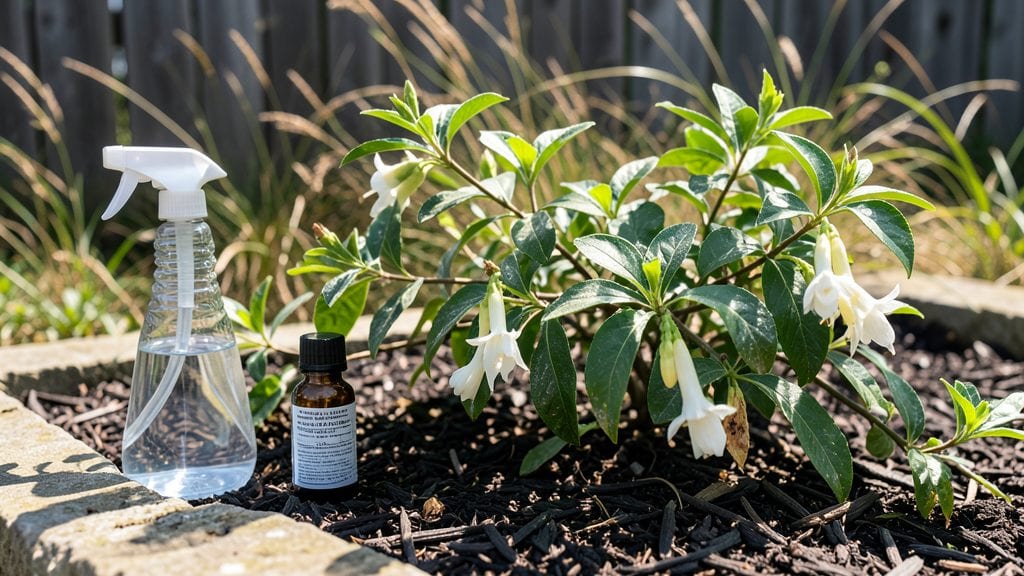
Black spot fungus on jasmine plants turns glossy leaves into skeletal messes faster than you’d think. 🌿 I’ve watched this disease turn healthy vines into sad, spotted shadows—until I learned the early warning signs and quick fixes that actually work.
The key is acting before those dark spots spread to every leaf.
This isn’t just about spraying something random—it’s about understanding why fungus loves jasmine. Too much shade, crowded vines, or wet leaves for too long create the perfect fungal buffet.
But here’s the good news: with the right pruning, spacing, and a few targeted treatments, you can stop it in its tracks before it ruins your plant.
You’ll learn to recognize the first signs—tiny black dots with yellow halos—and how to prune infected leaves without spreading spores everywhere. The best part? Organic options like neem oil or copper fungicide work just as well as harsh chemicals, and they keep your jasmine thriving for years.
Whether you’re dealing with powdery mildew, root rot, or classic black spot, these steps will give your jasmine the fighting chance it deserves. Let’s get those leaves looking healthy again—no more sad, spotted vines in sight.
Root Causes Of Fungal Spread
Fungal infections in jasmine plants—like the dreaded black spot—don’t just appear out of nowhere. They thrive when specific conditions align, turning your fragrant greenery into a battleground. Understanding these triggers is half the battle in stopping the spread.
Here’s why fungi like Alternaria or Cercospora (common culprits behind black spot) decide your jasmine is their next host.
Fungi love moisture—especially when it lingers. Jasmine plants with soggy roots or leaves that stay damp for hours create the perfect breeding ground. Here’s how it happens:
- Excessive watering: Overwatering keeps soil perpetually wet, suffocating roots and inviting fungal spores to germinate. Black spot fungi thrive in these conditions because they feed on decaying organic matter.
- Poor drainage: If your jasmine’s pot lacks drainage holes or the soil is compacted, water pools at the roots. This creates a humid microclimate where spores can spread rapidly from leaf to leaf.
- Fungal spores in water: Tap water or reused garden water may carry spores. Even "clean" water can introduce hidden pathogens if it’s been sitting in a hose or bucket.
Actionable fix: Water only when the top inch of soil is dry, and use pots with drainage holes. Elevate containers to prevent waterlogging.
Jasmine plants left in tight spaces or high-humidity environments are prime targets for fungal infections. Here’s why:
- Limited airflow: Fungi spread via spores that float in the air. In crowded gardens or greenhouses, spores linger longer, increasing the chance of infection. Poor air circulation also delays leaf drying after watering.
- High humidity: Humidity above 75% creates a sauna-like effect, slowing evaporation and keeping leaves damp. Fungal spores germinate faster in these conditions, especially on jasmine’s broad, glossy leaves.
- Overhead watering: Watering from above (like with a sprinkler) splashes spores from soil or infected leaves onto healthy foliage, accelerating spread.
Actionable fix: Space plants 12–18 inches apart, use a fan for airflow in greenhouses, and water at the base. Prune for better light penetration.
A stressed jasmine plant is like an open door for fungi. Common stressors include:
- Nutrient deficiencies: Lack of nitrogen, phosphorus, or potassium weakens cell walls, making leaves more susceptible to fungal penetration. Yellowing or stunted growth are red flags.
- Physical damage: Pruning cuts, insect bites, or hail can create entry points for spores. Fungi exploit these wounds to invade plant tissues.
- Environmental shocks: Sudden temperature drops, frost, or extreme heat disrupt the plant’s natural defenses, leaving it vulnerable.
Actionable fix: Fertilize with a balanced formula (10-10-10) and avoid over-pruning. Mulch to protect roots from temperature swings.
Fungal spores are sneaky—they hitch rides on tools, soil, or even compost. Here’s how contamination spreads:
- Dirty pruners or shears: Cutting infected leaves with unsterilized tools transfers spores to healthy parts of the plant. Even a small nick can introduce infection.
- Reused potting mix: Old soil may harbor dormant spores. If you repot without sterilizing the mix, fungi can reactivate and infect new growth.
- Compost or mulch from infected plants: Using yard waste from a previously infected garden can reintroduce pathogens into your soil.
Actionable fix: Sterilize tools with rubbing alcohol (70% or higher) between uses. Use fresh, sterile potting mix and avoid compost from unknown sources.
By addressing these root causes, you’re not just treating symptoms—you’re cutting off the fungus’s lifeline. The key? Prevention through proper care and quick action at the first sign of trouble.
Quick Fixes for Fungal Issues
Fungal infections on your jasmine plant can feel like a losing battle, but don’t worry—there are effective, plant-friendly solutions to tackle black spot, powdery mildew, and other fungal foes. Below, we map common causes to step-by-step fixes, plus prevention tips to keep your jasmine thriving.
Cause: Alternaria or Phyllosticta spores thrive in damp, shaded conditions, creating dark, circular spots on leaves.
How to Fix It
✅ 🔥 Prune the Problem Areas
- Use sterilized pruners (wipe with rubbing alcohol) to snip off infected leaves ½ inch below the spot.
- Dispose of clippings in the trash (not compost)—fungus can survive in organic matter.
✅ 🍳 Fungicide Spray (Natural or Store-Bought) - DIY option: Mix 1 tsp baking soda + 1 quart water + a few drops of dish soap (so it sticks).
Spray every 7–10 days until new growth appears. - Store-bought: Copper fungicides (like Bonide Copper Fungicide) are safe for edible plants and effective against black spot.
✅ 🌡️ Improve Airflow and Light
- Move your jasmine to a sunnier spot (6+ hours of direct light daily).
- Space plants 12+ inches apart to reduce humidity buildup.
- 💡 Pro Tip: A small pedestal or trellis can elevate plants, improving airflow.
✅ 🔄 Repot if Soil is Infected
- If the fungus persists, your soil may be contaminated. Repot with fresh, sterile potting mix (add perlite for drainage).
Cause: Erysiphe or Sphaerotheca fungi create white, powdery patches on leaves, often in humid or crowded conditions.
How to Fix It ✅ 👨🍳 Gentle Cleaning First
Dip a soft cloth or sponge in soapy water (mild dish soap) and wipe off mildew gently.
Avoid tearing leaves. - 🌡️ Follow up with a hydrogen peroxide spray: Mix 1 tbsp 3% hydrogen peroxide + 1 quart water. Spray every 5 days until cleared.
✅ 🔪 Neem Oil Treatment (Prevents Spread)
- Mix 1 tsp neem oil + 1 tsp mild soap + 1 quart water. Spray weekly for 2–3 weeks. Neem smothers spores and deters future outbreaks.
✅ ⏰ Adjust Watering Habits
- Water at the base (not overhead) to keep leaves dry.
- Water in the morning so foliage dries by evening.
- 💡 Pro Tip: Use a moisture meter to avoid overwatering—jasmine prefers slightly dry soil between waterings.
Cause: Overwatering or poor drainage leads to soft, mushy roots and yellowing leaves.
How to Fix It
✅ 🔥 Emergency Repotting
- Remove the plant and rinse roots with water to wash away excess soil.
- Trim black/mushy roots with sterilized scissors.
- Repot in a container with drainage holes and fresh, well-draining mix (cactus/succulent mix works well).
✅ 🌱 Adjust Care Routine
- Let the top 1–2 inches of soil dry out before watering again.
- Avoid saucers that trap water—use a drip tray instead.
- 💡 Pro Tip: Add orchid bark or perlite to soil for better aeration.
✅ 🍄 Fungal Treatment for Roots
- Soak roots in 1 part hydrogen peroxide (3%) to 4 parts water for 10 minutes to kill fungus.
- After repotting, spray neem oil on the soil surface to prevent reinfection.
Once your jasmine is back in shape, keep it healthy long-term with these habits:
- ✨ Sanitize tools after pruning (rubbing alcohol or bleach solution).
- 🌿 Space plants properly to reduce humidity pockets.
- 🍃 Mulch lightly (½ inch) with sterile mulch (like pine bark) to deter soil-borne fungi.
- 🌡️ Monitor humidity—aim for 40–60% with a hygrometer if needed.
- 🌱 Rotate plants occasionally to ensure even sunlight exposure.
Final Thought: Fungal issues are manageable with quick action and a few simple tweaks. Your jasmine will bounce back—stay vigilant, and soon you’ll have a lush, disease-free beauty! 🌿✨
Frequently asked questions about jasmine plant fungus
What are the first signs of fungus on my jasmine plant?
Look for tiny black or brown spots with yellow halos on leaves, or white powdery patches (powdery mildew). These appear first on older leaves and spread quickly in damp conditions. Check the undersides of leaves too—fungus often hides there first.
Can I save my jasmine if it already has fungus?
Yes! Act fast by pruning infected leaves (sterilize your tools first), improving airflow with better spacing, and applying a copper fungicide or neem oil spray. With consistent care, your plant can recover—just remove all infected growth to stop the spread.
Why does my jasmine keep getting fungus even after treatment?
Fungus often returns if the root cause isn’t fixed. Check for poor drainage, overwatering, or crowded growth. Use pots with drainage holes, water only at the base, and space plants 12+ inches apart to improve airflow and reduce humidity.
Is neem oil safe for all types of jasmine fungus?
Neem oil works against powdery mildew and black spot but may need support for stubborn cases like root rot. For severe infections, combine it with baking soda spray (1 tsp baking soda + 1 quart water) or a copper fungicide for better results.
How can I prevent fungus before it starts?
Keep your jasmine well-spaced, watered at the base (never overhead), and in bright, indirect light. Sterilize pruners between cuts, avoid overcrowding, and use sterile potting mix when repotting. A light mulch also helps deter soil-borne fungi.