
Diseases
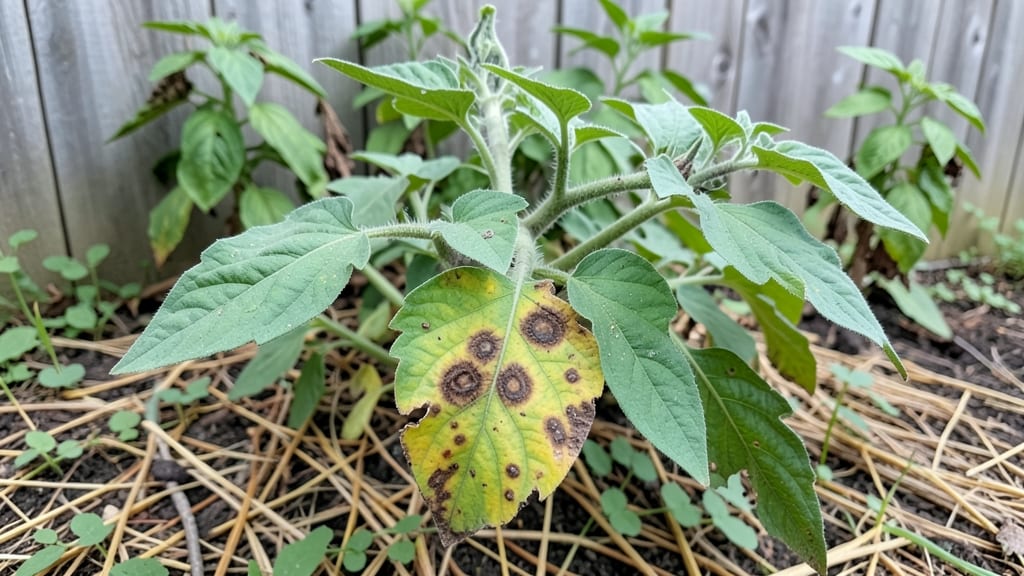
Identifying plant diseases before they spread saves your garden—and my first year growing tomatoes proved it. That mysterious yellowing on the leaves turned out to be early blight, and by the time I figured it out, half my plants were already infected.
The key is learning those subtle clues: powdery white coatings, greasy spots, or leaves that curl like they’re hiding from something.
Most diseases leave telltale marks: fungal spots often have concentric rings, bacterial infections ooze, and viral damage shows up as mottled patterns. I’ve made a habit of comparing symptoms to photos and keeping a small magnifying glass handy—it’s the difference between a minor setback and a full-blown crisis.
The earlier you catch it, the easier it is to treat or remove the problem before it takes hold.
Once you spot the signs, act fast: prune infected parts immediately, adjust watering habits, and consider organic fungicides for fungal issues. Prevention is simpler than cleanup—space plants for airflow, water at the base (not overhead), and rotate crops yearly.
If the problem keeps spreading despite your efforts, that’s when you call in a professional for a second opinion.
This isn’t about memorizing every disease—it’s about recognizing patterns and acting before they become unmanageable. With practice, you’ll start noticing these symptoms in your garden before they even become a threat. The goal isn’t perfection; it’s staying one step ahead of the problem.
Root Causes of Plant Diseases
Understanding why plant diseases develop is the first step in preventing them. Most issues stem from a mix of environmental stress, pathogen activity, or poor growing conditions. Let’s break down the key factors that turn a healthy plant into a struggling one.
Plants are living organisms, and just like humans, they can’t handle extreme conditions forever. When environmental factors push them beyond their limits, their defenses weaken—making them vulnerable to infections.
- Extreme Temperatures 🔥❄️ - Too Hot: High temperatures can cause cell damage, making plants more susceptible to fungal infections like powdery mildew.
Heat stress also weakens chlorophyll production, reducing photosynthesis and leaving plants energy-depleted. - Too Cold: Freezing temperatures can rupture plant cell walls, creating entry points for bacteria and fungi. Frost damage often leads to gray mold (Botrytis cinerea) or bacterial leaf spot.
- Humidity & Poor Airflow - High humidity (above 70%) creates a damp environment where fungal spores thrive.
Diseases like downy mildew and rust spread rapidly in these conditions because spores need moisture to germinate. - Poor airflow (common in dense foliage or greenhouses) traps humidity against leaves, accelerating fungal growth. Think of it like a sauna for pathogens—perfect for multiplication!
- Water Stress (Too Much or Too Little) - Overwatering: Soggy soil cuts off oxygen to roots, leading to root rot (caused by Phytophthora or Pythium).
Waterlogged conditions also encourage bacterial wilts. - Drought: Underwatered plants develop weak cell walls, making them prone to leaf scorch (from fungal or bacterial infections) and aphid infestations (stressed plants attract pests).
Not all plant diseases are caused by environmental factors—some are outright attacks from microscopic invaders. These pathogens exploit weaknesses in your plants’ defenses.
- Fungi: The Silent Saboteurs - Fungi like powdery mildew (Erysiphe spp.) and black spot (Diplocarpon rosae) thrive on leaf surfaces, blocking sunlight and clogging stomata (plant pores).
They spread via wind or contaminated tools. - Actionable Insight: Fungi produce spores that can lie dormant for years—sterilizing pruners and removing infected debris is critical.
- Bacteria: Fast & Aggressive
- Unlike fungi, bacteria multiply quickly in warm, moist conditions. Fire blight (Erwinia amylovora) and bacterial leaf spot (Xanthomonas spp.) enter through wounds (like pruning cuts) and clog plant vessels, cutting off water and nutrients.
- Pro Tip: Bacteria can survive in soil for years—crop rotation and solarization (heating soil to kill pathogens) help break the cycle.
- Viruses: The Sneaky Hitchhikers - Viruses (like Tobacco Mosaic Virus) spread via infected tools, contaminated hands, or sap-sucking insects (e.g., aphids).
They hijack plant cells to replicate, causing mosaic patterns, stunted growth, or necrosis. - Key Fact: Viruses can’t be cured—only managed through removal of infected plants and controlling vectors (pests that spread them).
Even in ideal conditions, plants can fall ill if they’re not getting the basics right. Weak plants are like open doors for diseases.
- Nutrient Deficiencies
- Lack of magnesium (leaf yellowing between veins) or potassium (weak stems) weakens structural integrity, making plants prone to wilting diseases like verticillium wilt.
- Over-fertilization (especially with nitrogen) can also harm plants by promoting soft, succulent growth that’s attractive to pests and fungi.
- Physical Damage
- Mechanical injuries (from hail, tools, or pets) create entry points for pathogens. Even insect bites (like from mites or beetles) can introduce bacteria.
- Solution: Use sharp, sterilized tools and avoid rough handling during transplanting.
- Improper Pruning
- Cutting too close to the trunk or leaving stubs can trap moisture, leading to cankers (sunken, dead patches) or bacterial infections. Always prune at a 45-degree angle and sterilize cuts with hydrogen peroxide (3%).
Some pests don’t just damage plants—they spread diseases like tiny, winged couriers.
- Aphids & Whiteflies 🐛
- These sap-suckers excrete honeydew, a sticky residue that fosters sooty mold (a black fungal growth). They also transmit viruses like Cucumber Mosaic Virus.
- Control Tip: Introduce ladybugs or use neem oil to disrupt their life cycle.
- Nematodes (Microscopic Worms) 🐍
- These soil-dwellers puncture roots, creating wounds where fungal or bacterial root rots take hold. Infested plants may show yellowing leaves despite healthy soil.
- Prevention: Solarize soil in summer or plant marigolds (natural nematode repellents).
Diseases don’t just appear out of nowhere—they’re often brought in by human activity.
- Old Soil Pathogens
- Soil can harbor dormant fungal spores (like Fusarium) for years. If you replant the same spot without treatment, diseases recur.
- Fix: Test soil for pathogens or practice 3-year crop rotation.
- Unsterilized Tools
- Pruners, trowels, and even gloves can transfer bacterial or fungal spores from one plant to another. A single contaminated cut can introduce fire blight or anthracnose.
- Quick Fix: Wipe tools with 70% isopropyl alcohol or a 10% bleach solution between uses.
Some plants are simply more prone to diseases due to their genetics. For example:
- Tomatoes are highly susceptible to early blight (Alternaria solani).
- Roses often battle black spot (Diplocarpon rosae).
- Peppers frequently suffer from bacterial spot (Xanthomonas campestris).
Action Step: Choose disease-resistant varieties (marked as "R" for resistance on seed packets) when possible. For heirlooms, monitor closely and act fast at the first sign of trouble.
Quick Fixes for Common Plant Ailments
Once you’ve spotted the signs of plant disease, acting fast can save your green friends! Below are practical, step-by-step solutions tailored to the most common causes—plus prevention tips to keep your garden thriving long-term. Think of this as your plant first-aid kit, packed with actionable strategies for every scenario.
Fungal diseases like powdery mildew, rust, or blight thrive in damp, humid conditions. Here’s how to kill the fungus and protect your plants:
🔥 Remove Infected Areas Immediately
- Snip off yellowing, spotted, or moldy leaves with sterilized pruners (wipe with rubbing alcohol between cuts).
- Dispose of infected plant debris in the trash (not compost)—fungus spores can survive and reinfect.
- Pro tip: 💡 If the disease is severe (e.g., late blight on tomatoes), remove the entire plant to prevent contamination.
🍳 Apply Fungicidal Treatments
- Baking soda spray (for powdery mildew): Mix 1 tsp baking soda + 1 tbsp oil + 1 tsp mild soap in 1 quart water.
Spray every 7–10 days until symptoms disappear. - Neem oil (broad-spectrum fungicide): Combine 1 tbsp neem oil + 1 tsp soap in 1 quart water.
Spray early morning or evening to avoid burning leaves. - Copper fungicide (for stubborn infections): Follow label instructions—copper is effective but use sparingly to avoid soil buildup.
🌡️ Improve Airflow & Dry Conditions
- Space plants 3–4 inches apart (or thin overcrowded areas).
- Water at the base (avoid overhead sprinkling) and water early in the day so foliage dries quickly.
- Use a fan on damp days to circulate air, especially in greenhouses or shaded areas.
🎯 Prevention: Keep Fungus at Bay
- Rotate crops yearly to prevent soil-borne fungi from lingering.
- Mulch properly: Use straw or wood chips (not thick layers) to allow airflow to the soil.
- Choose resistant varieties: Opt for disease-resistant seeds (e.g., ‘Defiant’ phlox for powdery mildew).
Pests like aphids, spider mites, and whiteflies weaken plants, making them susceptible to secondary infections. Here’s how to evict them for good:
👨🍳 Manual Removal (For Small Infestations)
- Blast off aphids with a strong stream of water from a hose.
- Wipe leaves with a soapy sponge (mix 1 tsp mild soap in 1 quart water).
- Handpick larger pests (like tomato hornworms) and drop them in soapy water.
🔪 Natural Pesticides & Traps
- Insecticidal soap: Spray directly on pests (avoid flowers to protect pollinators).
Reapply every 5–7 days. - Neem oil (again!): Disrupts pest life cycles—spray evenly on all surfaces. - Yellow sticky traps: Hang near plants to catch whiteflies and fungus gnats.
🌿 Encourage Beneficial Predators
- Ladybugs (eat aphids), lacewings (devour mites), and parasitic wasps (target caterpillars) are your free garden security.
- Plant companion flowers: Marigolds, dill, and alyssum attract good bugs while repelling pests.
✨ Prevention: Make Your Garden Unappealing
- Remove plant debris where pests hide (e.g., old leaves, mulch piles).
- Use reflective mulch (like aluminum foil) to confuse whiteflies.
- Interplant herbs (basil, mint) to mask plant scents that attract pests.
Root rot is a silent killer—plants wilt, leaves yellow, and stems turn mushy. Act fast to revive them:
⏰ Stop Watering Immediately
- Let the top 1–2 inches of soil dry out before watering again.
- Check soil moisture with your finger—if it’s damp below 1 inch, wait.
🌱 Repot in Fresh, Dry Soil
- Gently remove the plant from its pot and trim away mushy roots with sterilized scissors.
- Repot in a clean container with well-draining soil (add perlite or sand for aeration).
- Water lightly only after 2–3 days to let roots recover.
🔥 Boost Recovery with Fungicide
- Hydrogen peroxide (3%): Mix 1 tbsp in 1 quart water and water the soil to kill fungus.
- Benomyl or mycorrhizal fungi (for severe cases): Follow package instructions.
🎯 Prevention: Water Like a Pro
- Use pots with drainage holes—no exceptions.
- Water deeply but infrequently: Better to soak once a week than sprinkle daily.
- Group plants with similar water needs to avoid over/under-watering.
Yellow leaves, stunted growth, or purple stems? Your plants might be hungry or malnourished. Here’s how to diagnose and fix common deficiencies:
| Symptom | Likely Cause | Quick Fix |
|---|---|---|
| Yellow leaves (lower) | Nitrogen deficiency | Apply balanced fertilizer (10-10-10) or compost tea. |
| Yellow leaves (new) | Magnesium deficiency | Spray Epsom salt solution (1 tbsp per gallon) or add dolomitic lime. |
| Purple stems/leaves | Phosphorus deficiency | Use bone meal or a high-phosphorus fertilizer (e.g., 5-10-5). |
| Brown leaf edges | Potassium deficiency | Feed wood ash or a potassium-rich fertilizer (like banana peel tea). |
| Slow growth, weak stems | General malnutrition | Aerate soil, add worm castings, and mulch to retain nutrients. |
💡 Pro Tips for Healthy Soil
- Test your soil every 2–3 years (kits from garden centers work).
- Avoid over-fertilizing: More isn’t better—burnt roots can kill plants faster than hunger.
- Use organic matter: Compost, leaf mold, or fish emulsion slowly release nutrients.
Final Reminder: 🌟 Prevention is your best tool—healthy plants resist diseases naturally. Stay vigilant, act quickly, and your garden will stay lush, happy, and pest-free!
Frequently asked questions
How do I tell if leaf spots are from disease or just natural wear?
Disease spots usually have distinct patterns like concentric rings (fungal) or oily, water-soaked edges (bacterial). Natural wear is often random, dry, and brown without spreading. Check for new spots appearing daily—that’s a red flag for infection.
Can I reuse soil from a diseased plant?
Never reuse soil without treatment—pathogens like Phytophthora or Fusarium can survive for years. Solarize the soil (cover with clear plastic for 4-6 weeks in summer) or mix in 10% compost to dilute pathogens. Sterilize containers with bleach solution (1 part bleach to 9 parts water).
Why does my plant have yellow leaves but no other symptoms?
This often signals nutrient deficiency (like nitrogen or magnesium) or overwatering. Check the soil—if it’s soggy, roots may be drowning. For yellowing between veins, try Epsom salt spray (1 tbsp per gallon). If new growth is also yellow, it’s likely over-fertilization.
How soon should I act if I spot disease symptoms?
Act within 24 hours for fungal/bacterial issues—remove infected parts immediately and apply neem oil or copper fungicide. Viral symptoms (like mosaic patterns) require total plant removal to prevent spread. Delaying risks losing the entire plant.
Are there any diseases I can’t cure?
Yes—viral infections (like Tobacco Mosaic Virus) have no cure. Remove infected plants immediately and sterilize tools to prevent spread. Some fungal diseases (like late blight) may require multiple treatments over weeks. Focus on prevention for these cases.