
Companion Plants
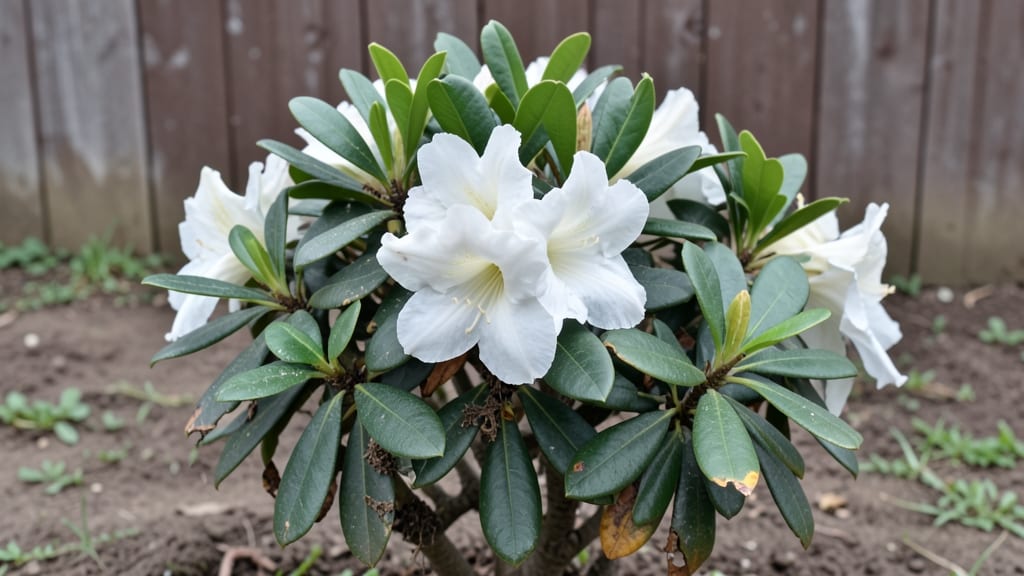
Mount Everest plants thrive in extreme alpine conditions, featuring hardy species like rhododendrons, juniper shrubs, and Himalayan blue poppies that survive up to 6,000 meters. These resilient flora have evolved thick waxy coatings, deep root systems, and compact growth to endure thin air, freezing temperatures, and rocky terrain.
The plants growing near Mount Everest's summit are biological marvels, perfectly adapted to conditions most life forms can't tolerate. 🌿 Their waxy leaf coatings reduce water loss in the dry, oxygen-scarce environment, while deep root systems anchor them to unstable, rocky soil.
Some species, like the iconic Himalayan blue poppy, even bloom in the harshest conditions—proof of nature's tenacity. These adaptations make them fascinating subjects for botanists studying survival in extreme climates.
What's particularly striking is how these plants compare to other alpine species worldwide. For example, the Everest rhododendrons share similarities with Andean species but have evolved unique traits to handle the region's specific challenges, like intense UV radiation and rapid temperature shifts.
Understanding these differences helps gardeners replicate high-altitude conditions at home, though it requires specialized techniques like cold frames or high-altitude simulators.
💡 In This Article
- Survival Adaptations of High-Altitude Everest Flora
- Gardening Tips for Growing Everest-Inspired Plants at Home
Survival adaptations of high-altitude Everest flora
Here's what actually happens when plants grow near Mount Everest: they undergo dramatic physiological changes to survive conditions that would kill most species.
At elevations above 5,000 meters, oxygen levels drop to just 40% of sea level concentrations, forcing plants to develop specialized vascular systems that efficiently transport oxygen to their cells.
The Himalayan blue poppy, for instance, has evolved spongy, air-filled stems that act like natural snorkels, allowing it to thrive where other plants would suffocate.
The extreme UV radiation at these altitudes—up to 30% stronger than at sea level—demands protective adaptations. Everest's rhododendrons produce thick, waxy cuticles on their leaves that reflect harmful rays while reducing water evaporation.
This same waxy coating gives their leaves that distinctive glossy appearance you might notice in photos. 🌟 What's fascinating is how these plants compare to their Andean cousins: while both regions have high UV exposure, Everest species develop 1.5x thicker wax layers due to the combination of altitude and reflective snow surfaces.
Temperature swings of 40°C (104°F) or more between day and night require another layer of adaptation. Plants like the Himalayan juniper have developed compact, cushion-like growth habits that minimize heat loss while maximizing sunlight absorption. Their needle-like leaves reduce surface area, preventing frost damage.
This strategy creates a microclimate where the plant's core stays 5-10°C warmer than the surrounding air—a survival trick shared with Arctic willows but taken to an extreme in the Himalayas.
The real engineering happens underground. Everest flora have evolved deep, fibrous root systems that can penetrate 3 meters (10 feet) or more into unstable, rocky soil. These roots form symbiotic relationships with mycorrhizal fungi, creating a network that shares nutrients and water.
This partnership allows plants to survive in soils with less than 5% organic matter—a condition that would starve most garden plants. The fungi even help stabilize the roots against the region's frequent landslides and rockfalls.
What most people don't realize is how these adaptations work together in a biological system.
The waxy coatings that protect against UV radiation also create a hydrophobic surface that causes water to bead up and roll off—critical in an environment where precipitation comes in the form of ice pellets rather than gentle rain. Meanwhile, the compact growth forms natural windbreaks that reduce desiccation.
Together, these features create a plant that's essentially a self-sustaining survival pod in one of Earth's harshest environments.
When you consider how these adaptations compare to other alpine species, the Himalayan flora stand out for their combination of extreme traits. While the Edelweiss of the Alps has similar drought resistance, Everest plants endure 20% lower oxygen levels and higher UV exposure.
The key difference lies in their metabolic efficiency: these plants operate at half the growth rate of their lower-altitude relatives but with three times the energy conservation—a biological masterclass in doing more with less.