Container Gardens
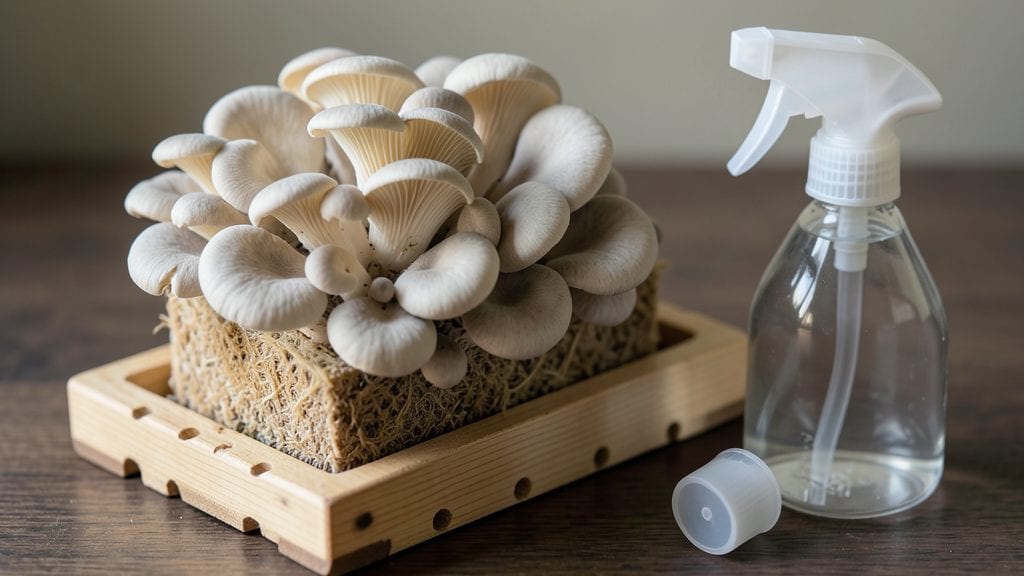
Transform your space with an easy mushroom indoor plant—these fast-growing gourmet harvests thrive indoors with the right species and conditions. 🌿 I’ve grown oyster and shiitake mushrooms indoors for years, and the key lies in choosing the right substrate, maintaining precise humidity, and avoiding common pitfalls like contamination.
The payoff? Fresh, flavorful mushrooms in just 8 weeks—no garden required.
Oyster mushrooms thrive on pasteurized straw or hardwood sawdust, while shiitake prefer sawdust or logs. Both need a 60–75°F environment and 80–90% humidity to fruit properly. The process starts with sterilized containers, spawn, and a misting routine to keep conditions ideal.
My first batch yielded 2 pounds of mushrooms in under two months—proof that indoor growing works.
You’ll recognize success when you see tiny white pins (baby mushrooms) forming within 2–3 weeks of colonization. With proper airflow and lighting, they’ll mature into plump, flavorful caps ready for harvest. The best part? No pesticides or chemicals—just clean, organic growth in your home.
This method adapts to small spaces, from basements to kitchens, and works year-round. Just watch for signs of mold or slow growth, and adjust humidity or airflow as needed. Ready to turn your indoor space into a mushroom farm?
Root Issues Behind Fungal Failures
Growing edible mushrooms indoors is thrilling, but when your mushroom indoor plant struggles, it’s often due to hidden environmental or care mistakes. Understanding the root causes helps you fix problems before they derail your harvest.
Below, we break down the most common culprits—backed by science—and what you can do to correct them.
Mushrooms are temperature-sensitive—most gourmet varieties thrive in a narrow range of 60–75°F (15–24°C). Too hot or too cold disrupts their growth cycle, leading to stunted fruiting or mold. Here’s why:
- Heat Stress (Above 80°F / 27°C):
High temperatures accelerate respiration, depleting the substrate’s nutrients faster than mycelium can absorb them. The result? Premature exhaustion of the growing medium, causing mushrooms to bolt (grow too fast) or develop bitter flavors.
- Cold Shock (Below 55°F / 13°C):
Cold slows mycelial activity to a crawl. If temperatures dip consistently, the mycelium may go dormant or even die, leaving you with a substrate full of undeveloped threads. Some varieties (like shiitake) need a cold shock to trigger fruiting—but too much can be fatal.
- Drafty Conditions:
Uneven heating (e.g., near AC vents or radiators) creates microclimates where some parts of your grow bin freeze while others overheat. This stress forces mushrooms to divert energy toward survival instead of fruiting.
💡 Pro Tip: Use a digital thermometer/hygrometer (like the AcuRite) to monitor conditions. For consistency, place your grow bin in a shaded, draft-free spot—never near appliances or windows that swing open.
Mushrooms need high humidity (85–95%) to fruit, but too much or too little water throws their entire system out of balance. Here’s how:
| Problem | Why It Happens | Signs to Watch For |
|---|---|---|
| Overwatering |
Excess water displaces oxygen in the substrate, suffocating mycelium. It also creates anaerobic zones where bacteria and mold (like Trichoderma) outcompete mushrooms for nutrients. |
|
| Underwatering |
Low moisture triggers osmotic stress, forcing mycelium to expend energy retaining water instead of growing. The substrate dries out, and pinning (the stage where mushrooms emerge) fails. |
|
| Poor Airflow |
Stagnant air traps humidity near the substrate, creating a greenhouse effect that promotes mold. Without gentle airflow, CO₂ builds up, slowing growth. |
|
🌡️ Fix It: Use a spray bottle for misting (not flooding) and a fan on low (4–6 inches from the bin) to circulate air. For humidity, place a humidifier nearby or use a pebble tray with water under the bin.
Your mushroom’s diet is its substrate—get it wrong, and growth stalls. Common mistakes:
- Improper Sterilization:
Unsterilized substrates harbor competing microbes (like bacteria or other fungi) that outgrow your mushrooms. These steal nutrients and release toxins, causing mushrooms to turn brown or rot.
- Wrong Ingredients:
Some mushrooms (e.g., oyster) thrive on hardwood sawdust, while others (like lion’s mane) need grain-based mixes. Mismatched substrates lead to slow colonization or no fruiting.
- Overcooked or Undercooked:
Substrates like pasteurized straw must be cooked to 160–180°F (71–82°C) to kill weeds/seeds but not over-sterilized (which removes beneficial microbes). Undercooked mixes sprout grass or mold.
🔥 Solution: Follow variety-specific recipes (e.g., North Spore’s guides) and sterilize using a pressure cooker or hot water bath. For pasteurization, soak straw in 180°F (82°C) water for 60–90 minutes.
Mushrooms don’t photosynthesize like plants—they detect light to trigger fruiting. Too much or too little sends them into survival mode.
- Excessive Light:
Bright, direct light (especially UV or blue spectrum) causes mushrooms to produce melanin, turning them dark or bitter. Some varieties (like shiitake) need indirect light to develop properly.
- Complete Darkness:
Without 12 hours of darkness daily, mushrooms may fail to pin or grow abnormally tall and weak (a sign of light deprivation).
- Flickering or Blue Light:
LED grow lights with too much blue spectrum (like cool-white bulbs) can inhibit growth. Mushrooms prefer soft white or warm light (2700–3000K).
🎯 Ideal Setup: Use a 15W–20W warm-white
Fixing Common Growing Glitches
Growing your own gourmet mushrooms indoors is rewarding, but even the best gardeners hit snags. Don’t let setbacks derail your harvest—here’s how to diagnose and fix the most common issues with practical, step-by-step solutions.
Cause: Overwatering, poor air circulation, or nutrient depletion. Fix:
- 🔥 Adjust Watering: Let the substrate dry slightly between waterings. Use a spray bottle for even moisture distribution.
- 🌬️ Boost Airflow: Increase ventilation by opening windows or using a small fan (on low) for 10–15 minutes daily.
- 🍽️ Refresh Substrate: If mushrooms are past their prime, harvest and replace the substrate with fresh, sterilized mix.
Prevention Tip: 💡 Use a moisture meter to track substrate dampness—aim for 60–70% humidity.
Cause: Low humidity, insufficient light, or incorrect temperature. Fix:
- ☀️ Optimize Light: Place your grow tray near a bright window or under a grow light (12–16 hours/day).
- 🌡️ Check Temperature: Keep the room between 65–75°F (18–24°C)—use a small heater or AC if needed.
- 💧 Increase Humidity: Place a tray of water near your plants or use a humidifier.
Prevention Tip: ✨ Mist the substrate lightly twice daily to maintain moisture without drowning it.
Cause: Poor sterilization, high moisture, or dirty tools. Fix:
- 🧼 Sterilize Everything: Wash hands, tools, and containers with 70% isopropyl alcohol before handling.
- 🔪 Trim Affected Areas: Remove moldy spots immediately with sterilized scissors.
- 🌿 Replace Substrate: If contamination spreads, discard the substrate and start fresh with a new, sterilized mix.
Prevention Tip: 🎯 Store tools in a clean, dry place and avoid touching the substrate with bare hands.
Cause: Flies, mites, or fungus gnats drawn to damp conditions. Fix:
- 🕷️ Trap Pests: Use yellow sticky traps near your plants to catch flying insects.
- 🌿 Natural Repellents: Sprinkle diatomaceous earth (food-grade) around the base to deter crawling pests.
- 🚫 Reduce Moisture: Let the substrate dry slightly between waterings to discourage pests.
Prevention Tip: 💡 Keep your grow area clean—remove fallen mushrooms and debris promptly.
Cause: Lack of nutrients, overcrowding, or immature substrate. Fix:
- 🍽️ Supplement Nutrition: Add a balanced organic fertilizer (like compost tea) to the substrate.
- 🌱 Thin Out Clumps: If mushrooms are too dense, gently separate them to improve airflow.
- 🔄 Patience is Key: Some varieties need 4–6 weeks to mature—don’t rush harvest!
Prevention Tip: 🌡️ Monitor substrate temperature—ideal growth happens at 70–75°F (21–24°C).
📊 Track Your Progress: Keep a simple log of watering, light, and temperature changes. Over time, you’ll spot patterns and perfect your setup!
With these fixes, your indoor mushroom garden will thrive—ready for a homegrown harvest in 8 weeks! 🍄✨
Frequently asked questions
What’s the easiest mushroom variety to grow indoors?
Oyster mushrooms are the best beginner choice—they grow quickly (ready in 2–3 weeks) on simple substrates like pasteurized straw or coffee grounds. They tolerate minor temperature fluctuations better than shiitake or lion’s mane, and their clusters add visual interest to your space.
Can I grow mushrooms without a pressure cooker?
Yes! For small batches, use a large pot with a lid and simmer your substrate (straw, sawdust) in water for 90–120 minutes to pasteurize it. For sterilization, wrap substrates in foil and bake at 300°F (150°C) for 1 hour—just avoid overcooking, which can kill beneficial microbes.
Why are my mushrooms growing too slowly?
Slow growth usually means cool temperatures (below 65°F/18°C), low humidity (under 80%), or poor airflow. Check your setup: Move the container to a warmer spot, mist 2x daily, and add a small fan (4–6 inches away) to prevent stagnant air.
How do I know when to harvest my mushrooms?
Harvest when caps are fully expanded but before the edges start curling upward. For oyster mushrooms, this is usually 3–5 days after pinning. Twist gently at the base—if the stem pulls cleanly, it’s ready! Use sterilized scissors if twisting doesn’t work.
Can I reuse the substrate after harvest?
Only if it’s still moist and free of mold. For a second flush, add fresh spawn and repeat the fruiting process. Most substrates yield 2–3 harvests before nutrients deplete. After that, compost the spent mix—it’s nutrient-rich for houseplants!