
Companion Plants
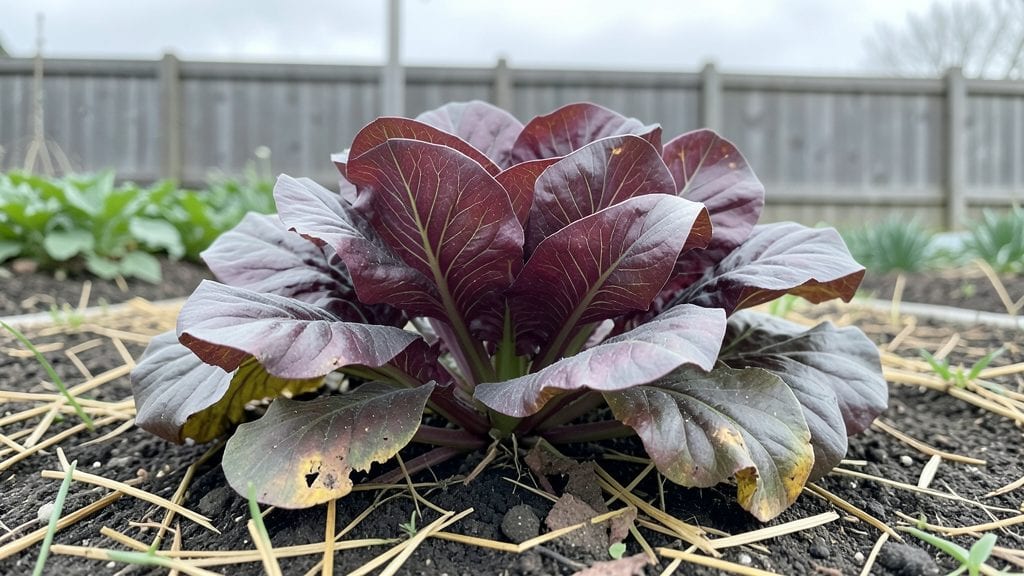
Ornamental lettuce plants bring unexpected drama to your garden with their jewel-toned leaves and lacy textures. 🌿 I fell in love with them after my first 'Lollo Rosso' plant stood tall through summer heat while my edible lettuce bolted—this stuff is built for show, not salad.
The secret lies in their care-free nature: they thrive in partial shade, tolerate cooler temps, and even handle light frosts better than most annuals.
These plants shine in containers or garden beds, adding vertical interest when trained on trellises or allowed to spill over edges. Varieties like 'Ruby Butter' and 'Black Seeded Simpson' offer deep burgundy and almost-black foliage that contrasts beautifully with silver foliage plants.
The best part? They rarely attract pests—no aphid infestations or slug slime like your regular lettuce. Just water when the soil feels dry an inch down, and you're golden.
By mid-summer, you'll have foliage so vibrant it makes your neighbors ask what variety it is. The leaves stay crisp and colorful for months, long after most annuals have faded.
Even in winter, they add structure to beds when wrapped in frost cloth. Perfect for cutting gardens, mixed borders, or as striking container specimens. Let's get yours growing!
They're equally at home in full sun with afternoon shade or bright indirect light indoors. Just avoid soggy soil, and you'll keep them looking fresh all season. The only real rule? Don't harvest the leaves—save that for your edible varieties. This is all about the eye candy.
Root Causes of Leaf Stress
Ornamental lettuce plants—with their vibrant colors and delicate textures—can sometimes show signs of distress, like yellowing leaves, wilting, or stunted growth. While these plants are generally low-maintenance, understanding the underlying reasons helps you address issues before they escalate.
Below, we break down the most common causes, backed by science, so you can take action with confidence.
Ornamental lettuce thrives in cool weather but struggles when temperatures climb or drop outside its ideal range. These plants are cool-season crops, meaning they prefer temperatures between 45°F and 75°F (7°C–24°C).
When exposed to heat stress (above 80°F/27°C) or cold snaps (below 32°F/0°C), their metabolism slows, leading to:
- Bolting (premature flowering): High temperatures trigger the plant to shift from leaf production to seed development, ruining its ornamental appeal.
The hormone ethylene is released in response to heat, accelerating this process. - Leaf scorch or yellowing: Heat stress causes oxidative damage in cells, breaking down chlorophyll and leaving crispy, brown edges. - Stunted growth: Cold temperatures slow root activity, reducing nutrient uptake and causing chlorosis (yellowing between veins).
Actionable fix:
- Shade cloth (30–50%) during summer afternoons to keep soil temps cool.
- Mulch (straw or wood chips) to insulate roots from heat and cold.
- Choose heat-tolerant varieties like ‘Blushing Beauty’ or ‘Lace Leaf’, which handle warmth better than traditional lettuce.
Lettuce plants have shallow root systems and require consistent moisture to stay lush. Too much or too little water throws off their balance, leading to:
- Overwatering:
- Root rot (caused by Phytophthora or Pythium fungi) due to anaerobic conditions in soggy soil.
- Edema (blister-like spots on leaves) from poor water absorption, leading to cell rupture.
- Nutrient dilution—excess water flushes out essential minerals like nitrogen and potassium.
- Underwatering:
- Wilting from turgor loss (cells losing water pressure).
- Bitter taste and tough leaves as the plant prioritizes survival over tenderness.
- Pest attraction (aphids and spider mites thrive in stressed, dry plants).
Actionable fix:
- Water deeply 1–2 times per week (1–1.5 inches/2.5–4 cm total), focusing on the root zone (not leaves).
- Use drip irrigation or soaker hoses to avoid wetting foliage (reduces fungal risks).
- Check soil moisture with your finger—top 1 inch should be dry before watering again.
Ornamental lettuce prefers partial shade to dappled sunlight (3–6 hours of direct sun daily). Too much or too little light disrupts photosynthesis and growth:
- Too much sun:
- Sunburn (white or brown patches) from UV radiation damage.
- Bolting as heat stress triggers flowering hormones.
- Bitter flavor (though ornamental types focus on looks, this still signals stress).
- Too little light:
- Leggy, pale growth (etiolation) as stems stretch toward light, weakening structure.
- Small, sparse leaves due to reduced chlorophyll production.
- Yellowing lower leaves from poor energy conversion.
Actionable fix:
- Provide afternoon shade in hot climates (use a lattice or sheer curtain).
- Rotate pots every few days for even light exposure.
- Avoid deep shade (e.g., under dense trees)—lettuce needs some light to thrive.
Lettuce prefers well-draining, fertile soil with a pH of 6.0–7.0. Poor soil conditions lead to nutrient deficiencies or toxicities:
| Symptom | Likely Cause | Solution |
|---|---|---|
| Yellow lower leaves | Nitrogen deficiency | Add compost or balanced fertilizer (10-10-10) |
| Purple stems/leaves | Phosphorus deficiency | Bone meal or rock phosphate |
| Crispy, brown edges | Magnesium deficiency (chlorosis) | Epsom salt (1 tbsp/gallon water) |
| Stunted growth | Compacted soil (poor aeration) | Loosen soil with perlite or sand |
| Wilting despite wet soil | Salt buildup (over-fertilization) | Flush soil with rainwater |
Actionable fix:
- Test soil pH with a kit—adjust with lime (to raise pH) or sulfur (to lower pH).
- Avoid heavy clay soils—amend with organic matter (peat moss, coconut coir).
- Fertilize lightly—lettuce is a light feeder; overdoing it causes more harm than good.
While ornamental lettuce is relatively pest-resistant, stress from other issues (like drought or poor soil) makes it vulnerable. Common culprits:
- Aphids & Spider Mites:
- Feed on sap, causing curled, sticky leaves (from honeydew).
- Weakens plants, making them prone to fungal infections.
- Slugs & Snails:
- Munch on tender leaves, leaving ragged holes and silver slime trails.
- Fungal Issues (Downy Mildew, Powdery Mildew):
- Gray/white fuzzy patches (powdery mildew) or yellow spots with mold (downy mildew).
- Thrives in humid, stagnant conditions.
Actionable fix:
- Neem oil spray (preventative for pests).
- Diatomaceous earth (for slugs—reapply after rain).
- Improve airflow (space plants 6–12 inches apart).
- Remove infected leaves immediately to prevent spread.
Even hardy lettuce can struggle after being moved, especially if roots are disturbed or environmental conditions change abruptly.
Signs include: - Wilting or drooping within days of transplanting. - Yellowing leaves from root damage or nutrient uptake delays. - Slow recovery as the plant adjusts to new soil or light.
Actionable fix:
- Hardening off seedlings (acclimate to outdoor conditions over 5–7 days).
- Transplant on a cloudy day to reduce stress.
- Water thoroughly before and after moving to replenish root zones.
Fixing Common Lettuce Plant Woes
Reviving your ornamental lettuce doesn’t have to be a guessing game. Whether your plants are wilting, bolting early, or looking lackluster, these targeted fixes will get them back to their elegant best—without the fuss.
Below, we’ve mapped out the most common issues and the simplest solutions, plus prevention tips to keep your garden thriving all year.
Cause: Overwatering, underwatering, nutrient deficiency, or pests like slugs.
How to Fix It:
- 💧 Check the soil moisture – Stick your finger 1–2 inches deep. If it’s soggy, let it dry out; if bone-dry, water deeply at the base (avoid wetting leaves to prevent disease).
- 🌿 Trim damaged leaves – Snip off yellow or crispy edges with clean scissors to redirect energy to healthy growth.
- 🛡️ Pest patrol – Set out beer traps (a shallow dish of beer) for slugs or sprinkle diatomaceous earth around the base to deter them.
- 🍽️ Feed lightly – Use a balanced liquid fertilizer (like 10-10-10) diluted to half-strength every 3–4 weeks.
Prevention Tips: ✨ Water wisely – Aim for 1–1.5 inches per week, either from rain or irrigation. Drip systems work best to avoid leaf wetness. ✨ Mulch matters – A 2-inch layer of straw or shredded leaves keeps soil moist and cool, reducing stress.
Cause: Heat stress, long daylight hours, or transplant shock.
How to Fix It:
- 🌤️ Provide shade – Use shade cloth (30–50%) during peak sun (10 AM–4 PM) to lower soil and air temps.
- 🚰 Cool the roots – Water deeply in the morning to keep soil temperatures down. Avoid overhead watering.
- 🌿 Harvest outer leaves – Picking mature leaves encourages new growth and delays bolting.
Prevention Tips: ✨ Choose heat-tolerant varieties – Opt for ‘Jericho,’ ‘Black Seeded Simpson,’ or ‘Rouge D’Hiver’ for better heat resistance. ✨ Plant in partial shade – Avoid full-sun spots, especially in summer. Dappled sunlight under trees works well.
Cause: Aphids, flea beetles, or caterpillars munching on tender leaves.
How to Fix It:
- 🔍 Inspect daily – Check undersides of leaves for pests. Early action prevents outbreaks.
- 💦 Blast them off – Spray leaves with a strong stream of water to dislodge aphids or beetles.
- 🌿 Companion plant – Interplant with nasturtiums (aphids love them more) or basil (repels pests).
- 🍋 Homemade spray – Mix 1 tsp mild dish soap + 1 tsp neem oil in 1 quart water. Spray affected areas (test on a small leaf first).
Prevention Tips: ✨ Rotate crops – Avoid planting lettuce in the same spot yearly to break pest cycles. ✨ Encourage predators – Ladybugs and lacewings eat aphids. Plant dill or fennel nearby to attract them.
Cause: Too much sunlight, poor soil, or overcrowding.
How to Fix It:
- 🌞 Adjust sunlight – Move pots to a spot with 4–6 hours of sun daily (morning sun is gentler).
- 🪴 Thin out plants – Space lettuce 6–12 inches apart to improve airflow and reduce competition.
- 🌱 Fertilize right – Use a low-nitrogen fertilizer (like 5-10-10) to encourage leafy growth, not stems.
Prevention Tips: ✨ Start with rich soil – Mix compost into planting beds or use a high-quality potting mix. ✨ Succession plant – Sow new seeds every 2–3 weeks for a steady supply of fresh, sturdy plants.
Pro Tip: 💡 For container growers: Use self-watering pots to maintain even moisture—ornamental lettuce hates dry spells!*
Quick Recap Table:
| Problem | Fix It Fast | Prevent It |
|---|---|---|
| Yellowing leaves | Trim, adjust water, check pests | Mulch + drip irrigation |
| Bolting early | Shade cloth, harvest outer leaves | Heat-tolerant varieties + partial shade |
| Pest infestation | Soap spray, companion plants | Rotate crops + attract predators |
| Leggy growth | More shade, thin plants, fertilize | Rich soil + proper spacing |
Frequently asked questions
What's the best way to grow ornamental lettuce in containers?
Use a well-draining potting mix with added compost and choose containers with drainage holes. Place them in spots with 4-6 hours of morning sun and keep the soil consistently moist (but not soggy). For extra insurance, use self-watering pots to maintain even moisture—these plants hate drying out.
Can I grow ornamental lettuce indoors?
Yes! Place them near a bright, north-facing window or under grow lights for 12-14 hours daily. Use shallow containers and keep the soil lightly moist. Varieties like 'Lollo Rosso' thrive indoors as long as they get enough light to maintain their vibrant colors.
How do I prevent my ornamental lettuce from bolting?
Bolting happens when plants get too hot or experience long daylight. Provide afternoon shade with shade cloth (30-50%) and avoid planting in full sun during summer. Choose heat-tolerant varieties like 'Black Seeded Simpson' and harvest outer leaves regularly to encourage new growth.
What's the difference between ornamental and edible lettuce?
Ornamental lettuce is bred for color and texture, not taste, so it's not suitable for eating. While edible varieties focus on leaf production and flavor, ornamental types often have deeper colors, ruffled edges, or unique patterns that make them perfect for garden displays rather than salads.
How long does it take for ornamental lettuce to mature?
Most varieties reach their full decorative potential in 4-6 weeks from seeding. For fastest results, start with young plants rather than seeds. They'll continue producing vibrant foliage for several months, making them ideal for long-term garden interest.