
Trees
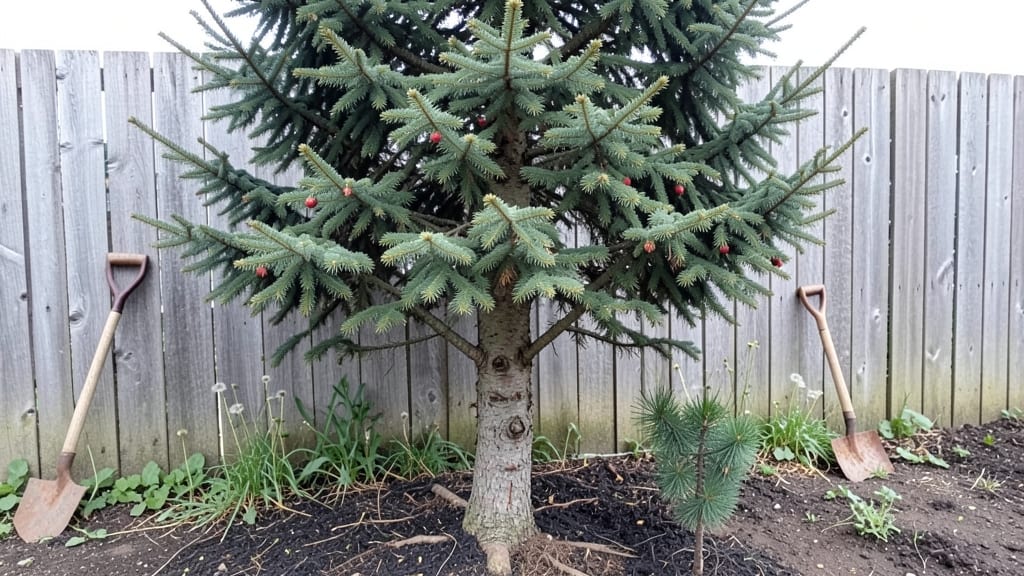
Planting evergreen trees transforms your yard from seasonal to year-round green—no more waiting for spring to see color. 🌿 I’ve planted enough evergreens to know the difference between a thriving specimen and one that struggles, and it all starts with the right spot and soil.
Evergreens don’t just survive drought; they outperform other trees once established, but only if you follow a few key steps from the beginning.
The biggest mistake I see is planting based on looks alone—shady corners or compacted soil will stunt growth no matter how drought-resistant the variety.
Instead, pick a site with at least 6 hours of sunlight, well-draining soil, and room to grow (most evergreens need 10–15 feet of space between them). For container-grown trees, check the root ball isn’t circling—loosen it gently before planting.
Bare-root trees need a soaking before going in to wake up dormant roots.
After planting, the first year is critical: water deeply once a week (more in extreme heat) to encourage deep roots. Mulch with 2–3 inches of organic material to lock in moisture and block weeds.
In just 2–3 years, you’ll see roots spreading beyond the planting hole, and the tree will start looking like it belongs there—thick, upright, and drought-proof. The payoff? A yard that stays lush even when neighbors’ lawns turn brown.
Evergreens planted now will outlast you—and your neighbors’ envy. Whether you’re filling a windbreak, adding privacy, or just wanting that pine-fresh scent year-round, this guide covers the exact steps to make it happen without guesswork. Let’s get those roots in the ground right.
📚 In This Guide
- What you need
- Instructions
- Tips and common mistakes
- Wrapping up and next steps
What you need
- ● Evergreen tree saplings: Choose 1-3 healthy, disease-free trees (species like Pinus, Juniperus, or Thuja work well). Size depends on preference—smaller (3-5 ft) for quick growth or larger (6-10 ft) for instant impact.
- ● Shovel or digging bar: 1 sturdy, sharp-edged tool for digging holes (12-18 inches wide and deep).
- ● Garden gloves: 1 pair to protect your hands from dirt and sharp roots.
- ● Mulch (pine straw, wood chips, or shredded bark): 2-3 bags (2-3 cubic feet each) to retain moisture and suppress weeds.
- ● Compost or organic fertilizer: 1 bag (20-30 lbs) to enrich soil with nutrients.
- ● Watering can or hose with a gentle spray nozzle: For post-planting hydration.
- ● Tree stakes & ties: 1-2 stakes per tree (for young, top-heavy saplings) + soft fabric ties.
- ● Root stimulator: 1 bottle to encourage faster root growth.
- ● Soil pH tester: To check if your soil needs amendments (evergreens prefer slightly acidic soil, pH 5.0-7.0).
- ● Weed barrier fabric: 1 roll to block weeds around the base.
- ● Pruning shears: For trimming dead branches post-planting.
Step-by-step guide to planting evergreen trees for year-round impact
Here's how to establish evergreens that thrive through seasons while demanding minimal water.
🪴 Step 1: Select and Prepare the Planting Site
Choose a location with 6+ hours of sunlight daily—most evergreens need full sun to develop their signature resilience. I always test the spot first by observing how sunlight moves across it throughout the day, especially in winter when light angles change dramatically. Mark the area with stakes to avoid disturbing the soil later.
Dig a hole twice as wide as the root ball but only as deep—planting too deep suffocates roots. Loosen the sides of the hole with a shovel to encourage root spread into surrounding soil. For clay-heavy areas, I mix in 1 part compost into the bottom 6 inches of the hole to improve drainage without altering the native soil structure.
🌱 Step 2: Handle the Root Ball and Position the Tree
Remove the tree from its container and gently tease apart the root ball with your fingers to encourage outward growth. If roots are circling tightly, I make 2-3 vertical cuts along the bottom with pruning shears to break the cycle—this prevents girdling as the tree matures. Place the tree in the hole so the top of the root ball sits 1-2 inches above ground level.
Evergreens establish best when planted in late fall or early spring, when temperatures are cool but not freezing. Backfill with native soil (not amended mix) to maintain microbial balance, tamping lightly every 6 inches to eliminate air pockets. Water deeply immediately after planting to settle the soil and eliminate gaps.
💧 Step 3: Water and Mulch for Long-Term Support
Give the tree 10 gallons of water spread evenly around the root zone—don't water the foliage. I use a soaker hose to deliver moisture slowly, checking that the soil 12 inches down feels moist but not soggy. For the first 3 months, water weekly if rainfall is minimal, then taper to monthly deep waterings once established.
Apply 3 inches of organic mulch (like pine bark) around the base, keeping it 6 inches away from the trunk to prevent rot. The mulch should look like a donut, not a volcano. This layer conserves moisture, regulates soil temperature, and blocks weeds—critical for drought-resistant evergreens that can't tolerate competition.
☀️ Step 4: Protect and Monitor Through Establishment
Young evergreens need shelter from harsh winds and direct afternoon sun during their first growing season. I install a temporary windbreak shield made of burlap if the site is exposed, removing it after 12 months. Watch for needle browning in winter—a sign of winter burn—and apply an anti-desiccant spray if temperatures drop below 10°F.
Fertilize lightly in early spring with a slow-release, balanced 10-10-10 formula—evergreens don't need heavy feeding. I avoid high-nitrogen fertilizers, which promote tender growth vulnerable to pests. After 2 years, the tree should be self-sufficient, requiring only occasional deep watering during prolonged dry spells.
Tips & tricks for perfect evergreen tree planting
Planting evergreens successfully comes down to understanding their unique needs—here's what I've learned after years of trial and error to ensure they thrive year-round.
Site Selection Strategy: Evergreens need that 6+ hours of sunlight daily, but don't just eyeball it. Use a simple trick: mark the sunniest spot with a stake in the morning, then check it again at midday and sunset. If the sunlight pattern changes dramatically between seasons, choose the location that gets consistent light throughout the year. This is especially critical for drought-resistant varieties that need full sun to develop their hardy qualities.
Root Ball Preparation: When you remove the tree from its container, gently tease apart those roots—not just at the edges, but all around the root ball. I've seen beginners skip this, and the roots just continue circling underground, which can strangle the tree as it grows. If you notice roots circling tightly, make those 2-3 vertical cuts at the bottom with clean pruning shears. This simple step prevents girdling, which can kill your tree in just a few years.
Watering Wisdom: That 10-gallon initial watering is non-negotiable, but here's the secret: use a soaker hose placed at the outer edge of the root zone, not right next to the trunk. This encourages roots to spread outward rather than staying concentrated near the center. After the first 3 months, you can reduce to monthly deep waterings, but always check 12 inches down—the soil should feel moist like a wrung-out sponge, not soggy.
Mulching Mastery: The 3 inches of organic mulch should create a "donut" shape around your tree, with that 6-inch gap around the trunk to prevent rot. I recommend pine bark mulch because it's slow to decompose and naturally acidic, which many evergreens prefer. Just avoid piling mulch against the trunk—this creates a moist environment that invites disease. Think of it as creating a microclimate that mimics the tree's natural forest floor conditions.
Pro Tips for Planting Evergreen Trees
- Planting evergreens successfully comes down to understanding their unique needs—here's what I've learned after years of trial and error to ensure they thrive year-round.
- Site Selection Strategy: Evergreens need that 6+ hours of sunlight daily, but don't just eyeball it.
- Root Ball Preparation: When you remove the tree from its container, gently tease apart those roots—not just at the edges, but all around the root ball.
Frequently asked questions
Got questions about planting evergreen trees? You’re not alone! Here are some of the most common concerns—plus straightforward answers to help you get started with confidence.
When is the best time to plant evergreen trees?
The ideal window is early fall to late winter (before buds swell in spring). Evergreens establish roots in cool weather with minimal competition. Avoid extreme heat or drought—root systems struggle when stressed. Pro tip: If planting in summer, water deeply 2-3x/week to keep soil moist until roots settle!
How often should I water newly planted evergreens?
Water deeply 2-3 times per week for the first year (adjust for rainfall). Aim for 1-1.5 inches of water per session. After that, most mature evergreens thrive on natural rainfall. Watch for: Wilting needles (overwatering) or dry soil (underwatering). Mulch helps retain moisture!
Can I plant evergreens in containers or small spaces?
Yes! Dwarf varieties (like Thuja ‘Sunkist’ or Picea ‘Little Gem’) are perfect for containers or tight yards. Use well-draining soil and a pot 2x wider than the root ball. For privacy: Layer 3-5 trees in a row for a lush, compact hedge. Just ensure they get 6+ hours of sunlight daily.
Why are my evergreen needles turning brown?
Brown tips often mean underwatering, overwatering, or salt buildup (from tap water). Check soil moisture—it should feel damp but not soggy. If needles drop entirely, it may signal root rot (too much water) or drought stress. Adjust care and fertilize lightly in spring with acidic, slow-release granules.
Do evergreens need pruning, and how?
Prune late winter to early spring (before new growth) to shape or remove dead branches. Use clean, sharp shears to cut just outside the branch collar. Avoid: Topping trees (cuts above leaf clusters)—it stresses the plant. For dense varieties, thin out 1/3 of growth annually to improve airflow and sunlight penetration.
Wrapping up and next steps
Planting evergreen trees is a rewarding way to add year-round beauty and resilience to your landscape—no matter where you live! These hardy trees thrive in various climates, require minimal care once established, and provide shelter for wildlife.
Whether you're a beginner or a seasoned gardener, the key is choosing the right species, preparing the soil, and giving your tree the best start with proper watering and mulching.
Ready to transform your outdoor space? Start by selecting a tree that fits your climate and needs, then roll up your sleeves and plant with confidence. Your future self—and your garden—will thank you! 🌲✨