Propagation
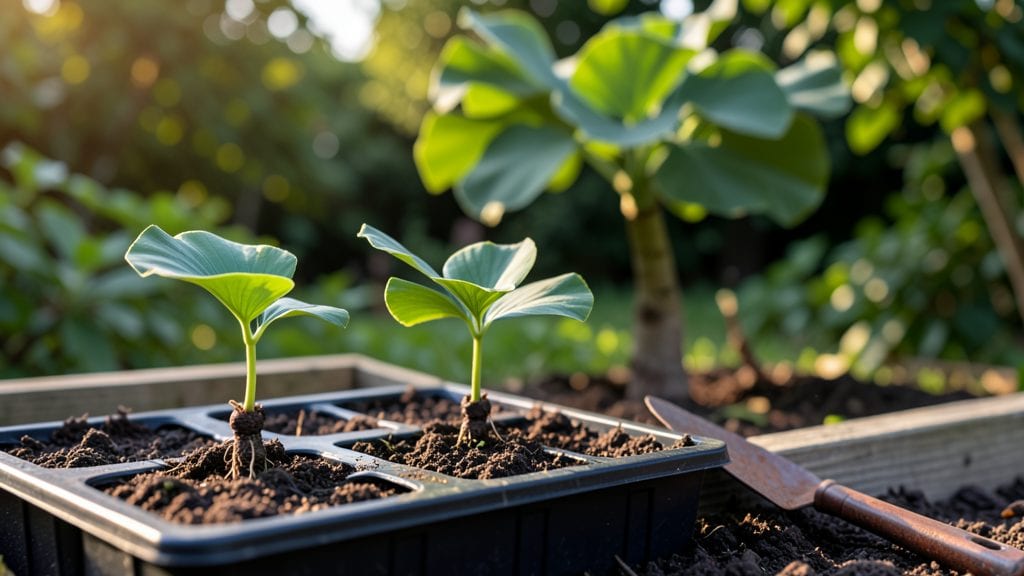
Planting ginkgo seeds is the ultimate test of gardener patience—because these ancient trees take years to mature, but the reward is a living piece of history in your yard. 🌿 I've tried growing them three times, and each attempt taught me how to outsmart their notoriously slow germination.
The key isn't forcing speed; it's creating the perfect conditions where nature does the heavy lifting.
You'll need fresh seeds (or ones soaked for months to break dormancy), a mix of sandy loam and perlite for drainage, and a spot that stays consistently moist but never soggy.
Ginkgos thrive in full sun, but their seeds need warmth—think 70-75°F for optimal sprouting. Most gardeners give up after six months, but that's when the real magic starts for me.
By year two, you might see the first true leaves—tiny, delicate, and unlike anything else in your garden. The roots will spread deep and slow, but once established, these trees become nearly indestructible.
I've watched mine weather droughts and freeze that would kill other species, all because of that early patience.
Fair warning: not every seed will germinate, and some may take three years or more. But when that first shoot breaks through, you'll understand why ginkgos have survived for millions of years. Here's how to set yours up for success from day one.
📚 In This Guide
- What you need
- Instructions
- Tips and common mistakes
- Wrapping up and next steps
What you need
Ready to grow a living piece of history? Planting ginkgo seeds is a rewarding but precise process—here’s what you’ll need to get started! Whether you’re a seasoned gardener or a curious beginner, gather these essentials before diving in. 🌱✨
📋 Required Materials & Tools
- Fresh ginkgo seeds – Harvested from ripe, yellow ginkgo fruits (1–5 seeds per attempt; freshness is key!).
- Well-draining potting mix – A blend of 50% peat moss or coco coir, 30% perlite or coarse sand, and 20% compost (sterilized to prevent mold).
- Small pots or seed trays – 3–4 inch diameter, with drainage holes (1–2 pots per seed).
- Plastic wrap or humidity dome – To maintain moisture during germination (clear plastic works best).
- Spray bottle – For gentle watering (avoid soaking the mix).
- Grow lights or sunny windowsill – Ginkgos need bright, indirect light (6–8 hours daily).
- Thermometer (optional but helpful) – Ideal germination temp: 65–75°F (18–24°C).
🎯 Optional (But Helpful!) Extras
- Seed stratification setup – If seeds aren’t fresh, use a moist paper towel + ziplock bag in the fridge for 60–90 days to mimic winter.
- Fungicide (like hydrogen peroxide 3%) – Diluted to 1:10 ratio to prevent rot during early growth.
- Labeling tags – To track planting dates (ginkgos take 1–3 years to germinate!).
- Heat mat (for warm climates) – Helps maintain consistent soil temps if your home runs cool.
Pro tip: 💡 Safety first! Wear gloves when handling ginkgo seeds—they contain butyric acid, which can irritate skin. And if you’re using outdoor seeds, wash them thoroughly to remove any fruit residue.
Step-by-step instructions for planting ginkgo seeds
Ginkgo seeds need special care, but with these steps, you'll coax those ancient trees to life.
🌱 Step 1: Harvest and Prepare the Seeds
Collect fresh ginkgo seeds in late fall when they turn bright yellow. The moment they hit the ground, they begin drying out—waiting too long reduces germination rates. Remove any remaining fleshy outer layer by hand; it's this outer coating that slows moisture absorption and delays sprouting.
Place the cleaned seeds in a paper towel and dampen it just enough so the towel feels like a wrung-out sponge. Fold the towel to cover the seeds completely and place them in a sealed plastic bag. Store this setup in your refrigerator's crisper drawer, where the cool, humid environment mimics winter stratification. Check weekly—if the towel dries out, mist it lightly again.
💧 Step 2: Stratify for 3 Months
Ginkgos require a 90-day cold period to break dormancy. This mimics the natural winter cycle they experience in their native habitats. After placing your seeds in the refrigerator, mark your calendar—three full months from the day you stored them is your germination window.
Resist the urge to peek or move them during this time. Temperature fluctuations or extra moisture can trigger premature sprouting, which weakens seedlings. If you notice any seeds sprouting before the 90 days, return them to the fridge immediately to halt growth until their stratification is complete.
☀️ Step 3: Plant in Well-Draining Soil
Once the stratification period ends, fill a small pot with sterile, well-draining potting mix (ginkgos hate soggy roots). Plant each seed about ½ inch deep—deeper planting can delay germination as the seedling struggles to reach the surface. Space seeds 2 inches apart if planting multiple in one container.
Water gently until the soil feels evenly moist but not saturated. Place the pot in a location with bright, indirect light—direct sun can scorch young seedlings, while too little light causes weak, leggy growth. A sunny windowsill with afternoon shade works well. Keep the soil consistently moist but never waterlogged; let the top inch dry out between waterings.
⏰ Step 4: Wait for Germination and Transplant
Germination can take anywhere from 3 months to a year—patience is key with ginkgos. You'll know it's working when you see a small sprout emerge, followed by two seed leaves (cotyledons) within 4-6 weeks after sprouting. This is your signal to move the seedlings to individual pots.
Once seedlings have 4-6 true leaves and are about 6 inches tall, they're ready for their own 6-inch pots. Use the same well-draining mix and keep them in bright, indirect light. Harden them off outdoors gradually over 2 weeks before planting in the ground, which should happen in spring after last frost.
🌿 Step 5: Nurture Young Seedlings
Young ginkgos grow slowly, so focus on consistent care rather than quick results. Water deeply once a week during dry spells, ensuring the soil drains freely. Fertilize lightly with a balanced, slow-release fertilizer in early spring—too much nitrogen at this stage causes weak, floppy growth.
Watch for yellowing leaves, which usually means overwatering or poor drainage. If you see this, let the soil dry out more between waterings. Ginkgos are tough once established, but seedlings need gentle handling. You'll see stronger growth in their second year as their root systems develop.
Tips & tricks for perfect ginkgo seed germination
Growing ginkgo seeds from scratch rewards patience with living pieces of history—here's how to maximize your success with these ancient trees.
Stratification Strategy: The 90-day cold period in Step 2 is non-negotiable for ginkgos, but there's a trick to track it without stress. Use a permanent marker to write the start date directly on your plastic bag. When you see that date plus three months approaching, you'll know exactly when to move your seeds to planting. I also recommend placing a small piece of fruit in the bag during stratification—its ethylene gas helps break dormancy more effectively.
Harvest Timing: Don't wait until seeds hit the ground to collect them! The moment ginkgo seeds turn bright yellow in late fall is your window—waiting even a day reduces germination rates. Look for seeds that are fully yellow but still firm to the touch. If you can't plant immediately, store them in a paper bag in the fridge until you're ready to start the stratification process from Step 1.
Lighting Secrets: In Step 3, bright indirect light is crucial, but not all windowsills are equal. South-facing windows get too intense, while north-facing ones may be too dim. I've found that placing seedlings about 18 inches from an east-facing window gives them perfect light conditions. If your space lacks good natural light, supplement with a grow light 6-12 inches above the plants for 12-14 hours daily. Rotate the pots weekly for even growth.
Transplant Timing: The 2-week hardening off period in Step 4 is where many seedlings fail. Start by moving pots to a sheltered outdoor spot for just 1 hour on day one, gradually increasing time and sun exposure. Watch for leaves that look wilted but perk up after returning indoors—this is normal. If you see crispy edges, you've moved too quickly. Harden off in morning hours when temperatures are cooler to reduce stress.
Pro Tips for Planting Ginkgo Seeds
- Growing ginkgo seeds from scratch rewards patience with living pieces of history—here's how to maximize your success ...
- Stratification Strategy: The 90-day cold period in Step 2 is non-negotiable for ginkgos, but there's a trick to track...
- Harvest Timing: Don't wait until seeds hit the ground to collect them! The moment ginkgo seeds turn bright yellow in ...
Frequently asked questions
Got questions about growing ginkgo trees from seeds? You’re not alone—these ancient beauties have quirks! Below, we tackle the most common concerns to help you navigate the process like a pro.
How long does it take for ginkgo seeds to germinate?
Ginkgo seeds are slow germinators—think 3 to 6 months (sometimes longer!) in ideal conditions. Stratification (cold treatment) speeds this up, but patience is key. Keep soil moist and warm (70–80°F) during this wait. Pro tip: Label your pots so you don’t forget!
Do I need to stratify ginkgo seeds before planting?
Yes!
Ginkgo seeds require cold stratification to break dormancy. Mix seeds with damp sand or peat moss, then refrigerate for 60–90 days at 35–40°F. This mimics winter’s chill, tricking seeds into thinking it’s time to sprout. Skip this step, and germination may never happen.
Can I plant ginkgo seeds directly in the ground?
While possible, start indoors first for better control. Ginkgo seeds are delicate, and outdoor conditions (like frost or pests) can hinder early growth. Once seedlings are 2–3 inches tall (after 6+ months), transplant them outside in spring. Choose a sunny spot with well-draining soil!
Why isn’t my ginkgo seed sprouting after months?
No sprouts? Check these fixes:
- Moisture: Soil should stay consistently damp (not soggy). Use a spray bottle if needed.
- Temperature: Keep pots in a warm (70–80°F) area—like a sunny windowsill.
- Seed viability: Ginkgo seeds lose potency over time. Test freshness by cutting one open—if the inside is firm and greenish, it’s good!
- Patience: Some seeds take up to a year to crack. Don’t give up!
What’s the best alternative if my seeds won’t germinate?
If germination fails, consider:
- Buying young ginkgo saplings (1–2 years old) from nurseries—faster and more reliable!
- Layering or grafting from an existing ginkgo tree (advanced but effective).
- Growing from cuttings (hardwood cuttings in winter have a 20–30% success rate).
Bonus: Ginkgo trees also grow from air layering—ask a local arborist for tips!
Wrapping up and next steps
Planting ginkgo seeds is a rewarding journey that blends patience with the thrill of nurturing a living piece of history. 🌱 While the process demands time—sometimes years—your efforts could yield a majestic tree that thrives for centuries. Start small: gather your supplies, experiment with stratification, and stay consistent with care.
Now’s your chance to take the next step! 🌿 Ready to begin? Pick a seed, prep your space, and dive in—your future ginkgo is waiting for you. Happy planting!