
Watering
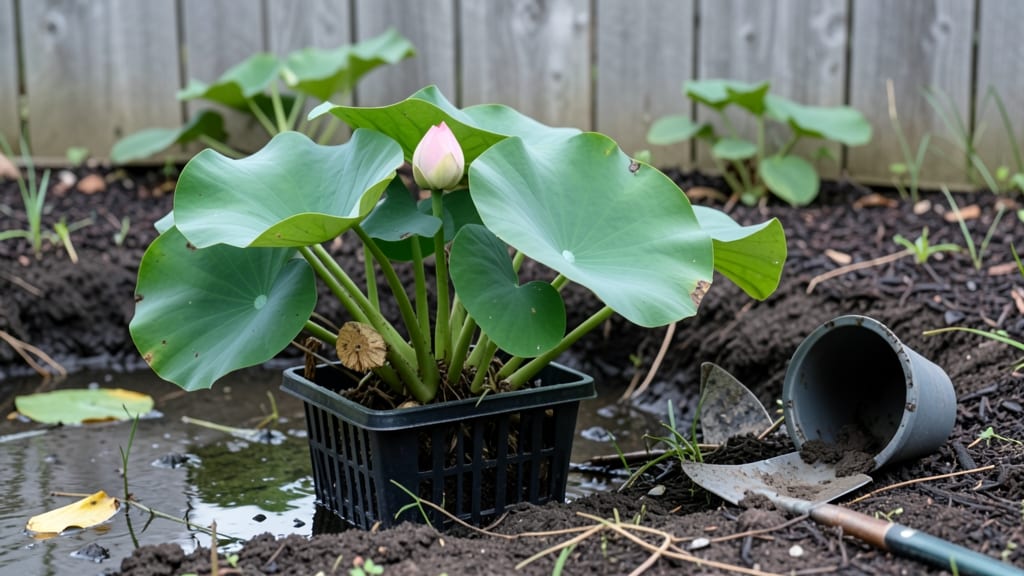
Planting lily pads transforms your pond into a serene, sun-dappled oasis that hums with life. ✨ I’ve planted mine in both shallow and deep spots, and the difference in growth is night and day—hardy varieties thrive in 6-12 inches of water, while tropical types need at least 18 inches.
The key isn’t just dropping them in; it’s matching the right plant to the right depth and sunlight.
You’ll need bare-root plants, nutrient-rich pond soil, and a sunny spot with at least 6 hours of light daily. Most beginners overlook soil prep—amend with compost or aquatic fertilizer to give roots a strong start.
Spacing matters too: 12-18 inches apart lets pads spread naturally without crowding, so you end up with lush coverage instead of sparse patches.
By late summer, you’ll see those first round pads unfurling, followed by vibrant blooms that attract bees and butterflies. The water stays cooler, algae stays at bay, and the whole ecosystem thrives. Even in partial shade, hardy varieties like Nymphaea odorata will reward you with steady growth.
Seasonal timing is everything—plant in early spring or late summer when water temps are stable. Tropical lily pads need warmer water, while hardy types handle cooler climates. Stick with these steps, and your pond will look like a professional water garden in no time.
📚 In This Guide
- What you need
- Instructions
- Tips and common mistakes
- Wrapping up and next steps
What you need
- ● Lily pads (floating plants): 10–20 pads (or more, depending on pond size—aim for partial coverage to allow sunlight for other aquatic plants).
- ● Recommended species: Water lettuce (Pistia stratiotes), duckweed (Lemna minor), or true lily pads (Nymphaea spp.).
- ● Pond or container: Minimum 12–18 inches deep (deeper for koi ponds to prevent freezing).
- ● At least 3–5 feet wide (smaller containers need fewer pads).
- ○ Optional: Pre-existing aquatic plants or fish (like goldfish or koi) for a balanced ecosystem.
- ● Water source: Still or slow-moving water (no strong currents).
- ● pH-balanced water (ideal range: 6.5–7.5; test with a pond water test kit).
- ● Tools: Gloves (to protect hands from sharp plant edges).
- ● Small hand trowel or spoon (for planting roots).
- ○ Floating mesh or pond netting (optional, to secure pads temporarily).
- ● Fertilizer: Slow-release aquatic plant tabs or liquid fertilizer (follow package instructions).
- ● Pond dye: To reduce algae growth (choose a shade that enhances your plants).
- ● Decorative rocks or pebbles: For aesthetic appeal around the pond edges.
- ● Pond aerator: If your waterbody is stagnant (keeps oxygen levels high for plant health).
- ● Plant markers: Small stakes to label different lily pad varieties.
Step-by-Step instructions for planting lily pads
Turn a pond into a serene oasis with these easy steps—no gardening experience needed.
🪴 Step 1: Prepare Your Pond and Materials
Start by selecting a shallow, sunny spot in your pond—water should be 12-24 inches deep for ideal growth. Clear any debris from the surface and edges, then fill a 5-gallon bucket with pond water. Lily pads thrive in still water, so avoid areas with strong currents or fish that might disturb the roots.
If your pond has fish, add a few drops of water conditioner to the bucket first—this prevents chlorine or heavy metals from shocking the plants. I like to work in the early morning when temperatures are cooler, as this reduces stress on the plants during handling.
🌱 Step 2: Plant the Lily Pads Correctly
Gently remove the lily pads from their container, keeping the roots intact. Submerge the root crown (the thick, bulbous base where roots and leaves meet) just 1-2 inches below the water’s surface. Push the roots down lightly but don’t pack the soil—lily pads need space to spread naturally.
Place the plants 12-18 inches apart in the pond. This spacing gives them room to grow without overcrowding, which can lead to weaker foliage. Watch for any floating leaves—these will help shade the water and keep it cooler, reducing algae growth. Real talk: If a leaf stays above water, don’t force it under. It’ll adjust on its own.
☀️ Step 3: Maintain for Healthy Growth
Lily pads love full sun (6+ hours daily), so position them where they’ll get the most light. After planting, wait 2-3 weeks before fertilizing—too soon can burn tender roots. Use a slow-release aquatic plant fertilizer (like the 1-pound tablet type) placed near the roots, not directly on them.
Check the water level weekly. Lily pads need consistent moisture, so top off with dechlorinated water if evaporation drops the level too much. You’ll see new leaves emerge within 4-6 weeks—that’s your sign everything’s working. If leaves yellow or wilt, it’s often a sign of too much sun or poor water quality, not the planting itself.
⏰ Step 4: Enjoy and Expand Your Oasis
Once established, lily pads will spread naturally. In late fall, trim back any dead foliage but leave the roots in the water—they’ll regrow in spring. If your pond expands, you can divide mature plants in early spring by gently separating the crowns and replanting them.
Here’s the thing—lily pads aren’t just pretty. They provide shade for fish, reduce algae, and create a peaceful atmosphere. Within a season, your pond will transform into a thriving ecosystem. Now go enjoy the view—you’ve earned it!
Tips & tricks for planting lily pads
Creating your own floating garden is easier than you think—here are my favorite tricks to help your lily pads thrive from day one.
The Depth Factor: When planting in Step 2, that 1-2 inch depth for the root crown is crucial. Too shallow and roots may dry out; too deep and leaves won't float properly. Use a small ruler to measure—it makes all the difference. I always check depth with my fingers first to avoid over-planting.
Spacing Secret: That 12-18 inch spacing in Step 2 might seem generous, but trust me on this. Crowded plants compete for nutrients and light, leading to smaller leaves. Think of it like giving each plant its own personal sunspot in the pond. You'll thank me when you see those lush, round leaves unfurling.
Sunlight Strategy: For the 6+ hours of sun mentioned in Step 3, I recommend placing your lily pads where they'll get morning sun and afternoon shade if possible. This prevents leaf scorch while still giving them enough light to thrive. Watch your plants for a few days—if leaves start looking stressed, they might need to move to a slightly shadier spot.
Fertilizer Timing: The 2-3 week wait before fertilizing in Step 3 is non-negotiable. New roots are delicate and can burn easily. I use the 1-pound tablet fertilizer and place it near the roots, not touching them. This gives a slow, steady nutrient boost without shocking the system. Think of it like giving your plants a gentle vitamin boost rather than a heavy dose.
Pro Tips for Planting Lily Pads
- Creating your own floating garden is easier than you think—here are my favorite tricks to help your lily pads thrive from day one.
- The Depth Factor: When planting in Step 2, that 1-2 inch depth for the root crown is crucial.
- Spacing Secret: That 12-18 inch spacing in Step 2 might seem generous, but trust me on this.
Frequently asked questions
Got questions about planting lily pads?
You’re not alone! Here are the answers to the most common queries to help you create your dream floating garden oasis.
When is the best time to plant lily pads?
Plant lily pads in early spring (after the last frost) or late summer for the best results. This gives them time to establish roots before winter or heat stress. Avoid planting in fall—they may not survive freezing temperatures.
How deep should the water be for lily pads to thrive?
Ideal water depth is 3–6 inches for most lily pad varieties. Deeper water (up to 12 inches) works for larger species like Victoria amazonica, but shallow water (1–3 inches) suits smaller types. Ensure roots stay submerged but leaves float freely.
Will lily pads attract pests like frogs or mosquitoes?
Lily pads do attract frogs (great for pest control!), but they won’t breed mosquitoes if the water is moving or has fish. Still, add a small fountain or goldfish to keep larvae in check.
Can I plant lily pads in a small container or just a pond?
Yes! Use a 5–10 gallon container (minimum 12" diameter) with 3–6" of water. Add a layer of gravel for drainage and place in partial sun. Just ensure the container is stable—lily pads can get heavy!
Why are my lily pads turning yellow or dying?
Yellowing leaves often mean nutrient deficiency (add aquatic fertilizer) or root rot (from stagnant water). Check water depth, ensure roots aren’t buried too deep, and trim dead leaves. Overcrowding can also stress plants—space them 12–18" apart.
Pro Tip:
Start with 3–5 lily pads per square foot to avoid overcrowding. Thin them out if they multiply too quickly—healthy spacing = happier plants!
Wrapping up and next steps
Planting lily pads is your ticket to transforming any water feature into a serene, thriving oasis! Whether you're a beginner or a seasoned gardener, these floating beauties bring life, color, and tranquility to your space with minimal effort. Start small, stay patient, and watch your pond become a lush sanctuary.
Ready to dive in? Grab your supplies, follow the steps, and enjoy the process—your future floating garden awaits! 🌿💦
- Next step: Pick your favorite lily pad varieties and begin planting this weekend!
- Pro tip: Share your progress with fellow plant lovers—inspiration spreads fast! 🌟