
Pruning
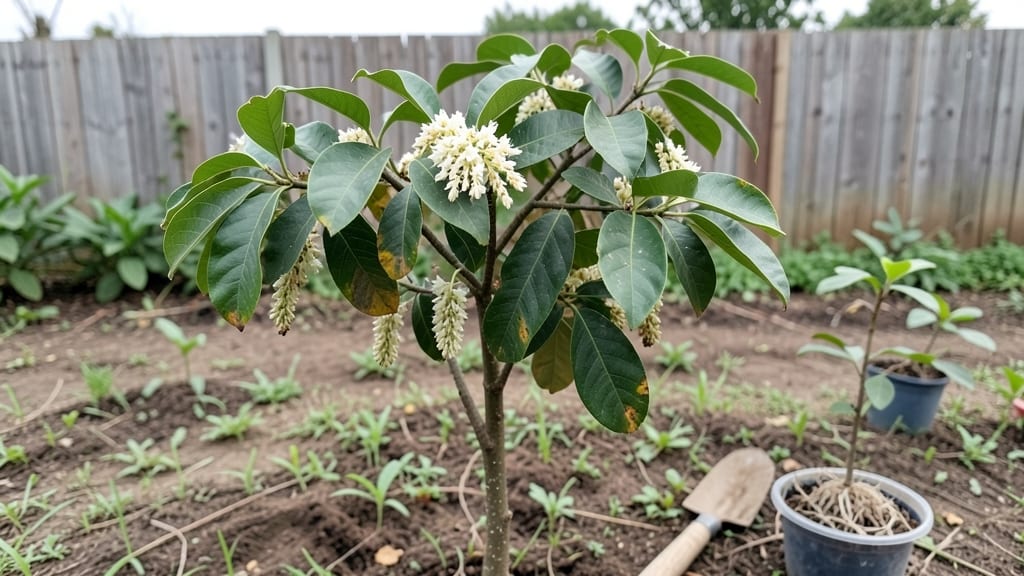
Planting a lychee tree starts with the right timing and a sunny spot—this tropical fruit thrives when planted in late spring after the last frost, giving it a full growing season to establish roots before winter.
I learned the hard way that rushing the process leads to weak trees that struggle with Florida’s summer heat or California’s coastal winds. The key is patience: a lychee tree planted correctly now could bear fruit in just 3-5 years, but only if you nail the soil and location.
You’ll need well-draining soil with a pH between 5.0 and 6.5—think sandy loam mixed with compost, not heavy clay. Lychees hate soggy roots, so if your yard drains poorly, raise the tree in a mound or container.
A young tree needs 6-8 hours of sunlight daily, and protection from strong winds (like a temporary fence or trellis) gives it the best start. I’ve seen neighbors skip this step and watch their trees topple in storms—don’t let that be you.
The payoff? Sweet, fragrant lychees that taste nothing like the canned versions you’ve tried. With proper care, your tree will grow 15-25 feet tall, its glossy leaves shimmering in the sunlight while clusters of pink flowers bloom in spring.
The first harvest might be small, but each year, the crop grows—until you’re sharing fruit with neighbors who’ll ask, “How’d you get a lychee tree to thrive here?”
Here’s the catch: lychees are frost-sensitive, so if you’re in Zone 8 or colder, plant in containers and move them indoors during winter. Even in warm climates, young trees need deep watering twice a week until established—overwatering is just as deadly as drought.
Stick with these steps, and you’ll avoid the most common mistakes that turn promising starts into sad, stunted trees.
📚 In This Guide
- What you need
- Instructions
- Tips and common mistakes
- Wrapping up and next steps
What you need
- ● Lychee sapling or seeds: Choose disease-resistant varieties like Kwai Mi or Bengal. (1 plant per pot/yard)
- ● Well-draining soil: Mix 60% topsoil, 30% compost, and 10% perlite or sand (5+ gallons per planting).
- ● Pot or planting hole: Container: 15+ gallon pot with drainage holes (if indoors/urban).
- ● Outdoor: Hole twice as wide as the root ball, 6–8 ft apart for spacing.
- ● Fertilizer: Slow-release citrus/lychee fertilizer (e.g., 6-6-6 NPK) or organic options like worm castings (1 tbsp per plant initially).
- ● Mulch: Wood chips or straw (2–3 inches thick) to retain moisture.
- ● Pruning tools: Sharp bypass pruners (for small branches).
- ○ Loppers (for thicker stems, optional but helpful).
- ● Watering can or hose: With a gentle spray nozzle (lychees hate soggy roots!).
- ○ Support stake (optional but recommended): 4–5 ft bamboo stake + soft ties for young trees.
- ● Climate: Lychees thrive in USDA Zones 10–11 (or greenhouses in colder areas). They need warmth (70–90°F) and humidity—think tropical!
- ● Sunlight: Full sun (6+ hours daily). Partial shade helps in extreme heat.
- ● Water access: Drip irrigation or a water source nearby (lychees need consistent moisture but hate waterlogged soil).
- ● Patience: Trees take 3–5 years to bear fruit (seeds may take longer).
- ● 🌱 Test your soil pH: Lychees prefer 5.0–6.5. Adjust with sulfur or lime if needed.
- ● 🔥 Choose a grafted sapling: Faster fruiting than seeds (but seeds are fun for experiments!).
- ● ✨ Pollination help: Hand-pollinate flowers with a soft brush if bees are scarce.
Step-by-step instructions for planting a lychee tree
Here's my straightforward approach to planting a lychee tree that thrives in your climate.
Choose and Prepare the Planting Site
Lychee trees thrive in warm climates with full sun exposure—at least 6-8 hours of direct sunlight daily. Select a location with well-draining soil, as lychees despise soggy roots. If your soil is heavy clay, amend it with 3-4 inches of compost mixed into the top 12 inches of soil to improve drainage and fertility.
Dig a hole twice as wide and just as deep as the tree’s root ball. This gives roots room to spread without crowding. If planting in a container, choose a pot at least 24 inches in diameter with drainage holes. Avoid plastic—terracotta or fabric pots help regulate moisture better. Place the tree in the hole so the top of the root ball sits 1-2 inches above ground level—this prevents water from pooling around the trunk.
Plant the Lychee Tree Properly
Gently remove the tree from its container and loosen any tightly packed roots with your fingers. Place it in the hole, ensuring the root ball sits level with the surrounding soil. Backfill the hole with native soil, pressing lightly to eliminate air pockets. Water deeply to settle the soil and encourage root contact.
Mulch around the base with 2-3 inches of organic mulch, like wood chips or straw, keeping it 6 inches away from the trunk. This retains moisture, regulates soil temperature, and suppresses weeds. Avoid piling mulch against the trunk—it can trap moisture and cause rot. After planting, water again to ensure the soil is evenly moist but not waterlogged.
Establish Care for Long-Term Growth
For the first 2-3 weeks, water the tree 2-3 times per week, keeping the soil consistently moist but never soggy. Lychees are drought-tolerant once established, but young trees need steady moisture to develop strong roots. Reduce watering gradually as the tree matures, aiming for deep waterings every 1-2 weeks once established.
Fertilize lightly in early spring with a balanced, slow-release fertilizer (10-10-10 ratio). Avoid heavy feeding—lychees prefer lean soil and over-fertilizing can harm the tree. Prune only to remove dead or crossing branches in late winter, keeping the tree’s natural shape. With patience, your lychee tree will grow strong and eventually bear fruit in 5-7 years.
Tips & tricks for planting lychee trees
Planting a lychee tree is simpler than you might think—these straightforward tips will help you avoid common pitfalls and set your tree up for success from the very beginning.
Location is everything: While the instructions mention 6-8 hours of sunlight, I can't stress enough how critical this is. Lychee trees are tropical and need full sun exposure to thrive. If your yard has afternoon shade, consider planting near a south-facing wall or in a container that you can move to sunnier spots during winter months. Trust me, this small adjustment makes a huge difference in long-term growth.
Soil preparation matters: The instructions recommend amending heavy clay soil with 3-4 inches of compost, but I've found that adding a handful of perlite or coarse sand to the mix can further improve drainage. This extra step prevents waterlogging, which is especially important in rainy climates. For container planting, use a well-draining potting mix specifically formulated for citrus or tropical fruit trees.
Root care during planting: When loosening the roots in Step 2, be gentle but thorough. I've seen many beginners skip this step, thinking it's unnecessary. The goal is to encourage the roots to spread outward rather than staying tightly bound. If you notice any damaged roots, simply trim them with clean pruners—this actually helps the tree focus its energy on new growth rather than repairing damaged areas.
Mulching strategy: The 2-3 inches of organic mulch mentioned is perfect, but here's what nobody tells you: Refresh the mulch layer every 6-12 months as it breaks down. This maintains the moisture-retaining benefits and prevents the mulch from compacting against the soil. Also, consider using a light-colored mulch if you're in a very hot climate—it reflects sunlight and keeps the roots cooler.
Pro Tips for Planting Lychee Tree
- Planting a lychee tree is simpler than you might think—these straightforward tips will help you avoid common pitfalls and set your tree up for success from the very beginning.
- Location is everything: While the instructions mention 6-8 hours of sunlight, I can't stress enough how critical this is.
- Soil preparation matters: The instructions recommend amending heavy clay soil with 3-4 inches of compost, but I've found that adding a handful of perlite or coarse sand to the mix can further improve drainage.
Frequently asked questions
Got questions about planting and growing lychee trees?
You’re not alone! Here are some of the most common concerns—plus clear, actionable answers to help you succeed.
How long does it take for a lychee tree to bear fruit?
A lychee tree typically takes 5–7 years to produce fruit from seed, but grafted trees can bear fruit in 3–4 years. Patience is key—focus on proper care (water, sunlight, and soil) to speed up the process.
What’s the best time of year to plant a lychee tree?
Plant lychee trees in early spring (after the last frost) or late summer (before fall rains). Avoid winter planting—lychees are tropical and sensitive to cold. If you’re in a warmer climate, year-round planting is possible, but spring is ideal.
Can I grow a lychee tree in a pot, or do I need a yard?
Yes! Lychee trees thrive in large containers (15+ gallons) if you live in a cold climate. Use well-draining soil, ensure the pot has drainage holes, and move it indoors when temperatures drop below 30°F (–1°C). Just know: potted trees may fruit later than in-ground plants.
Why are my lychee tree leaves turning yellow or dropping?
Yellow leaves often signal overwatering, nutrient deficiency, or pests. Check soil moisture (it should be slightly dry between waterings), fertilize with citrus-friendly nutrients, and inspect for aphids or mites. Prune affected branches to encourage new growth.
Are lychee trees hard to grow, or are they beginner-friendly?
While lychees need warmth, humidity, and consistent care, they’re manageable for beginners in the right climate. Start with a grafted tree (faster fruiting), monitor soil pH (6.0–7.0), and protect young trees from strong winds. With attention to detail, anyone can grow them!
Wrapping up and next steps
Planting a lychee tree is a rewarding journey that brings tropical sweetness to your backyard! 🌱 With the right soil, climate, and care, you’ll soon enjoy homegrown lychees—just follow the three simple steps we’ve shared. Start small, stay patient, and watch your tree thrive.
Ready to take the next step? Grab your tools, pick a sunny spot, and get planting! Your future lychee harvest is just a few seeds (or saplings) away. 🍈✨