
Companion Plants
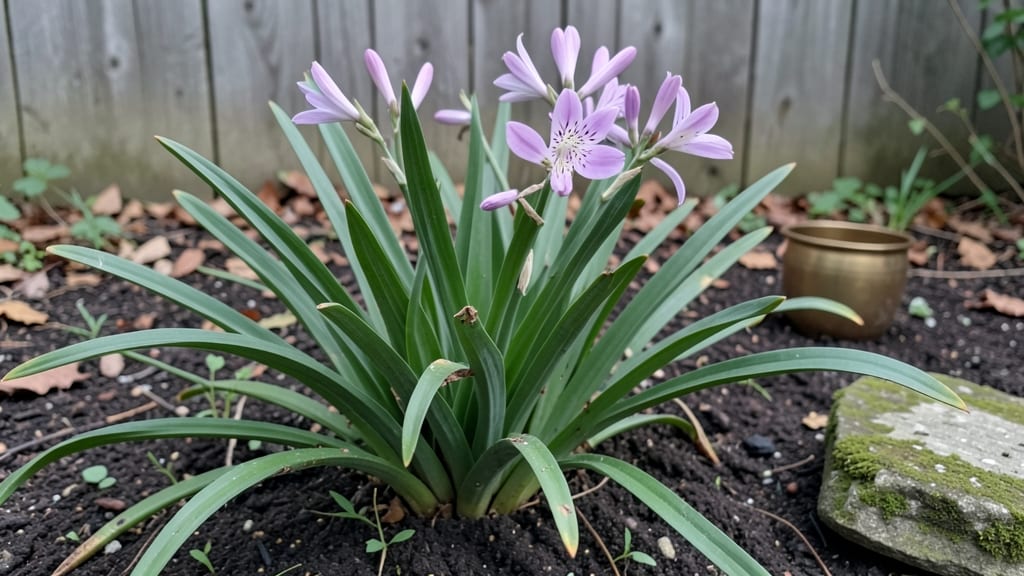
Plants and Vastu principles align your garden to boost prosperity and well-being by strategically placing greenery to optimize energy flow, balance the five elements, and follow directional guidelines.
Vastu Shastra's ancient wisdom treats plants as living energy amplifiers, and their placement can transform your outdoor space into a sanctuary of abundance. 🌿 The northeast corner, for example, is ideal for spiritual growth with plants like tulsi (holy basil), while the southeast—linked to wealth—thrives with money plants and vibrant blooms.
I've seen firsthand how even small adjustments, like positioning a bamboo plant in the east for career energy, create noticeable shifts in household harmony.
Beyond direction, Vastu emphasizes plant types that match your intentions—whether it's the protective vibes of aloe vera in the southwest or the romantic allure of roses in the west. The key lies in understanding each plant's energetic properties and how they interact with your home's layout.
For instance, cactus in the north can attract unexpected opportunities, while mint in the kitchen promotes vitality—but only if placed correctly according to Vastu's precise guidelines.
💡 In This Article
- Vastu Principles for Plant Placement in Gardens
- Best Plants for Vastu Energy Enhancement
Vastu principles for plant placement in gardens
Vastu Shastra's directional science reveals how each cardinal point in your garden interacts uniquely with plant energy. The northeast corner, representing knowledge and spirituality, thrives with plants like tulsi (holy basil) or peace lilies—both known to purify air while enhancing mental clarity.
Their delicate leaves and calming fragrance create a meditative atmosphere, perfect for early morning sunlight exposure of 4-6 hours daily. This placement aligns with the water element, which Vastu associates with intuition and wisdom.
The southeast direction, linked to fire and wealth, demands vibrant energy boosters like money plants (Crassula ovata) or marigolds. Money plants, with their thick, coin-shaped leaves, symbolize prosperity when placed 1-2 feet from the southeast wall—never blocking doorways.
Marigolds' fiery orange blooms amplify this energy, especially when planted in clusters of 9 or 21 stems, numbers considered auspicious in Vastu. The heat here requires drought-resistant species that thrive in 60-75°F temperatures.
For health and vitality, the east direction becomes your powerhouse with bamboo or citrus trees. Bamboo's rapid growth symbolizes career advancement, while lemon trees (Citrus limon) purify air with their 100+ volatile compounds. Place them near windows to maximize morning sunlight's energizing effects.
The west direction, ruled by air and relationships, benefits from romantic bloomers like roses or jasmine—their sweet fragrance (jasmine contains 200+ aromatic compounds) strengthens bonds when positioned 3-5 feet from seating areas.
Every direction follows strict Vastu ratios: plant heights should never exceed 60% of the wall height behind them, and containers must be odd-numbered (3, 5, or 7) for optimal energy flow.
The northwest corner, governing peace, needs rounded-leaf plants like money trees or ivy—avoid sharp-edged cacti here, as their geometry disrupts harmony. Even container materials matter: terracotta absorbs excess moisture, while copper pots enhance prosperity energy in wealth corners.
What most people miss is the underground energy flow—roots should never be pruned during planting season (March-September), as this severs life force. Instead, use organic compost with neem or cow dung to strengthen root systems, creating a stable energy base.
The science behind this is simple: healthy roots = stable energy = prosperous outcomes. 🌱
Pro tip: Rotate plants seasonally. In summer, move water-loving plants (like lotus) to shadier spots, while winter-hardy species (eucalyptus) can handle the 40-50°F temperatures better in northern exposures. This dynamic placement keeps energy flowing year-round, adapting to nature's cycles while maintaining Vastu balance.