
Companion Plants
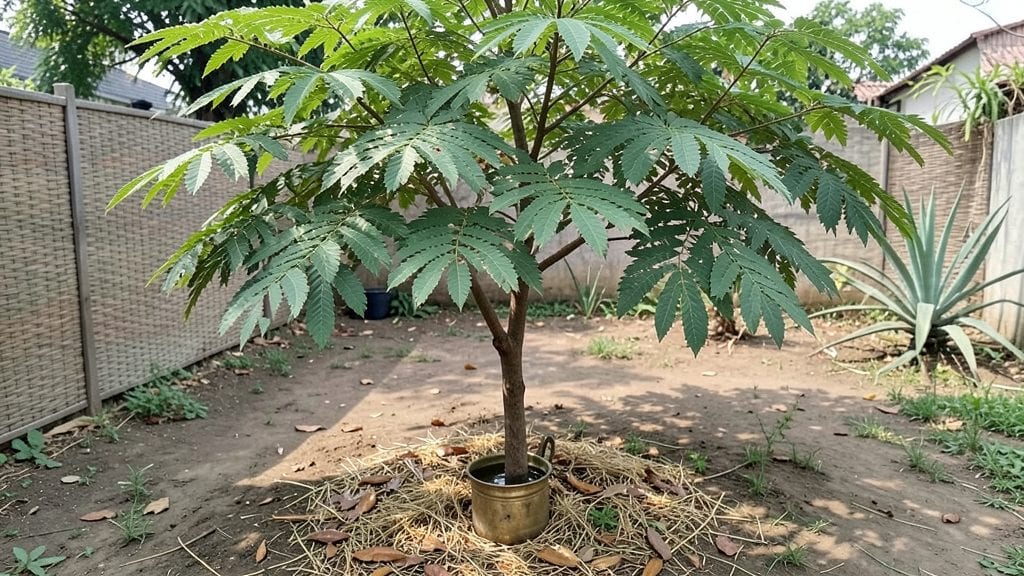
My first Vastu Shastra plants transformed my home’s energy in ways I never expected—wealthier vibes, deeper peace, and a garden that actually felt alive. 🌿 The right plants in the right spots don’t just grow; they harmonize your space with ancient wisdom, from money trees in the southeast to sacred peepal in the northwest.
I’ll show you how to pair them for balance, not just beauty.
Start with the northeast corner—your spiritual hub—where tulsi (holy basil) and money plants thrive. The southeast, for health and prosperity, loves neem and lemon trees, while the southwest needs banyan or ashoka for stability.
Each plant has a purpose: peepal for wisdom, mango for growth, and marigolds to ward off negativity. The key isn’t just placement; it’s intention.
You’ll notice shifts fast: better sleep, clearer decisions, even financial luck creeping in. The plants grow stronger too, their leaves glossier, their energy purer—proof the universe rewards alignment. I’ll walk you through the sacred pairings that work together, like peepal and mango for prosperity or tulsi and jasmine for peace.
Whether you’re rearranging a garden or a windowsill, these pairings adapt to any space. The magic isn’t in complexity—it’s in respecting the traditions that’ve kept homes thriving for centuries. Let’s bring that harmony to your corner of the world.
📚 In This Guide
- What you need
- Instructions
- Tips and common mistakes
- Wrapping up and next steps
What you need
- ● Vastu-approved plants: Select 2-3 from the sacred pairings (e.g., Money Plant (Pachira aquatica) + Peace Lily (Spathiphyllum), or Basil (Ocimum basilicum) + Mint (Mentha)). Quantity: 1-2 pots per plant.
- ● Clay or terracotta pots: 6–12 inches in diameter (ensures proper drainage). Quantity: 1 per plant.
- ● Well-draining soil: Mix cactus/succulent soil (70%) with coco coir or compost (30%) for aeration.
- ● Organic potting mix: 1 bag (5–10 liters) for nutrient-rich base.
- ● Perlite or vermiculite: 1 small bag (for moisture control).
- ● Drainage layer: Small pebbles or broken pottery shards (1–2 inches at pot bottom).
- ● Watering can: With a fine rose nozzle (for gentle hydration).
- ● Pruning shears: Sharp, sterilized (for trimming overgrowth).
- ○ Sunlight meter (optional): To check light conditions (600–1000 lux for most Vastu plants).
- ● Directional knowledge: Research your home’s Vastu directions (e.g., Northeast for wealth, North for career).
- ● Cleanse your space: Use tulsi (holy basil) leaves or camphor smoke to purify the area before planting.
- ● Planting time: Choose a Shukla Paksha (waxing moon phase) for optimal energy flow.
- ● Positive intent: Hold a small mantra (e.g., "Om Shanti") while planting for blessings.
Step-by-Step guide to cultivating Vastu Shastra plants for balance
Here's how to select and arrange sacred plants for energy harmony in your space.
🌱 Step 1: Identify the Sacred Plant Pairings
Vastu Shastra pairs specific plants to balance energy flow. For the northwest corner (wealth), plant money plant (Crassula ovata) alongside peepal tree (Ficus religiosa)—their opposing energies create abundance. In the northeast (knowledge), pair tulsi (holy basil) with ashwagandha (Withania somnifera) to enhance wisdom and clarity.
For the southeast (fire and health), combine aloe vera with neem (Azadirachta indica)—their cooling and purifying properties harmonize this fiery zone. Always place bamboo (Dracaena sanderiana) in the east to attract prosperity while keeping lavender in the west for calm energy transitions.
🪴 Step 2: Prepare the Space and Soil
Clear the chosen area of clutter—Vastu demands unobstructed energy flow. Use well-draining potting mix (never garden soil) for indoor plants like tulsi or money plant, as stagnant moisture disrupts harmony. For outdoor plants like peepal or neem, amend native soil with compost to enhance vitality.
Position containers or planting holes at 45-degree angles in the northeast and southeast—this subtle shift aligns with Vastu’s directional principles. Water lightly after planting to settle roots without disturbing the energy alignment.
☀️ Step 3: Position for Optimal Energy Flow
The northwest pair (money plant + peepal) thrives in bright, indirect light—never full sun, which overactivates this zone. Place them near a north-facing window where they receive 4-6 hours of morning light. In the northeast, tulsi and ashwagandha need 6-8 hours of sunlight for their spiritual properties to manifest.
Rotate indoor plants quarter-turn weekly to prevent energy stagnation. Outdoor plants like bamboo in the east should face southeast exposure—this aligns with the rising sun’s life-giving energy. Avoid placing heavy pots in the southwest (Mars zone), as their weight can create imbalance.
💧 Step 4: Maintain with Vastu-Conscious Care
Water plants in the northeast and northwest at sunrise—this timing aligns with natural energy cycles. Use filtered or rainwater (never tap water with chlorine) to preserve their purifying qualities. Prune money plant and bamboo only during the waxing moon phase for prosperity, while trimming tulsi or neem in the waning phase to release stagnant energy.
Fertilize with organic compost tea in the northeast and east to nourish knowledge and growth, but avoid chemical fertilizers in the southwest—their harsh energy disrupts harmony. Mulch with sand and coconut coir to keep roots cool, especially in the southeast, where heat can imbalance the fire element.
✂️ Step 5: Harmonize Through Seasonal Adjustments
In spring, introduce new plants like lavender in the west to refresh energy. During autumn, remove wilted leaves from peepal or neem immediately—they attract negative energy. For winter, group indoor plants together in the northeast to amplify their protective qualities during colder months.
Every 6 months, assess plant health and energy alignment. Replace dying plants with new ones during the full moon for a fresh energetic start. If a plant struggles, reposition it—sometimes a 1-inch shift in location can restore balance.
Tips & tricks for perfect Vastu Shastra plant arrangements
Mastering Vastu Shastra plant pairings takes more than just placing them in the right corners—it's about understanding the subtle energy dynamics at play. Here's what I've learned from years of working with sacred plant arrangements to ensure harmony and abundance.
The Directional Energy Principle: The 45-degree angle positioning in Step 2 isn't just decorative—it creates a triangular energy flow that prevents stagnation. This subtle geometric shift allows energy (prana) to circulate freely between paired plants. For example, the money plant and peepal tree in the northwest should form an invisible triangle when viewed from above, creating a wealth-attracting vortex. If your space feels cluttered after planting, you might need to adjust the angle slightly wider—sometimes just 5 degrees makes all the difference.
Light Exposure Secrets: The 4-6 hours of morning light for northwest plants (Step 3) is crucial because afternoon sun can overheat these delicate pairings. I've seen money plants scorch when placed in direct afternoon sunlight—look for leaves that develop crispy edges as your warning sign. For indoor arrangements, supplement with a grow light on a timer for exactly 4 hours daily if natural light is insufficient. The northeast plants actually thrive with the full 6-8 hours because their spiritual properties need maximum solar activation to manifest.
Seasonal Transition Strategy: The spring introduction of lavender in the west (Step 5) works because its floral energy refreshes the space after winter's heaviness. But here's the pro move: pair it with a small crystal cluster (like clear quartz) during this transition period. The crystal amplifies lavender's calming properties for about 30 days until the plant establishes its own energy field. This temporary boost helps maintain balance during the plant's adjustment phase.
Moon Phase Maintenance: The waxing moon phase for pruning money plant and bamboo (Step 4) isn't arbitrary—it aligns with the natural growth cycle of these prosperity plants. I've noticed that cuts made during this phase take exactly 7-10 days to heal completely, while cuts during the waning phase can take up to 2 weeks. For tulsi and neem, the opposite timing works because their purifying energies need to be released during the moon's diminishing phase. Keep a small moon phase calendar handy to track these cycles.
Pro Tips for Vastu Shastra Plants
- Mastering Vastu Shastra plant pairings takes more than just placing them in the right corners—it's about understanding the subtle energy dynamics at play.
- The Directional Energy Principle: The 45-degree angle positioning in Step 2 isn't just decorative—it creates a triangular energy flow that prevents stagnation.
- Light Exposure Secrets: The 4-6 hours of morning light for northwest plants (Step 3) is crucial because afternoon sun can overheat these delicate pairings.
Frequently asked questions
Frequently Asked Questions About Vastu Shastra Plants
Got questions about harnessing the power of Vastu Shastra plants? Here are some common ones—and their answers—to help you create a harmonious space with confidence!
Which Vastu Shastra plants are best for beginners?
Start with low-maintenance options like the Money Plant (Pachira aquatica) or Peace Lily (Spathiphyllum). These thrive indoors, require minimal sunlight, and align with wealth and positivity. Avoid delicate species like orchids until you’re more experienced!
How long does it take for Vastu Shastra plants to show effects?
Results vary! Some notice shifts in energy within weeks (like improved focus with Basil or Mint), while others take months. Patience is key—consistent care and proper placement amplify benefits over time. Track your space’s vibe daily!
Can I use Vastu Shastra plants in small apartments?
Opt for compact plants like Snake Plant (Sansevieria) or Lucky Bamboo (Dracaena sanderiana). Place them in corners or near windowsills to maximize energy flow. Even a single well-placed plant can transform your space—no yard required!
What if my Vastu plant turns yellow or wilts?
Yellowing leaves often signal overwatering or poor drainage. Check soil moisture (stick your finger in—top inch dry = water time!) and ensure pots have drainage holes. Trim damaged leaves and adjust sunlight. Neem or Tulsi are forgiving if you recover quickly!
Are there affordable alternatives to expensive Vastu plants?
Yes! Many budget-friendly options work just as well. Try Aloe Vera (purification), Marigold (prosperity), or even Bamboo (growth). Local nurseries or seed swaps can help you save. Remember, intention matters more than cost!
Can I mix Vastu plants with regular houseplants?
Yes, but strategically! Pair Vastu plants (like Money Plant) with non-toxic companions (e.g., Spider Plant) to avoid energy clashes. Avoid overcrowding—aim for a balanced, airy arrangement. Observe how your space feels after placement!
Wrapping up and next steps
Incorporating Vastu Shastra plants into your space isn’t just about aesthetics—it’s a mindful way to invite balance, prosperity, and positive energy into your life. 🌿 Whether you’re nurturing a Peepal tree for wisdom or placing a Money Plant in the southeast corner, these sacred pairings align your home with natural harmony.
The best part? You don’t need a green thumb—just intention and a little care!
Ready to transform your space? Start small: pick one plant that resonates with you, research its Vastu benefits, and let nature work its magic. Your home—and your energy—will thank you! 🌟