
Pruning
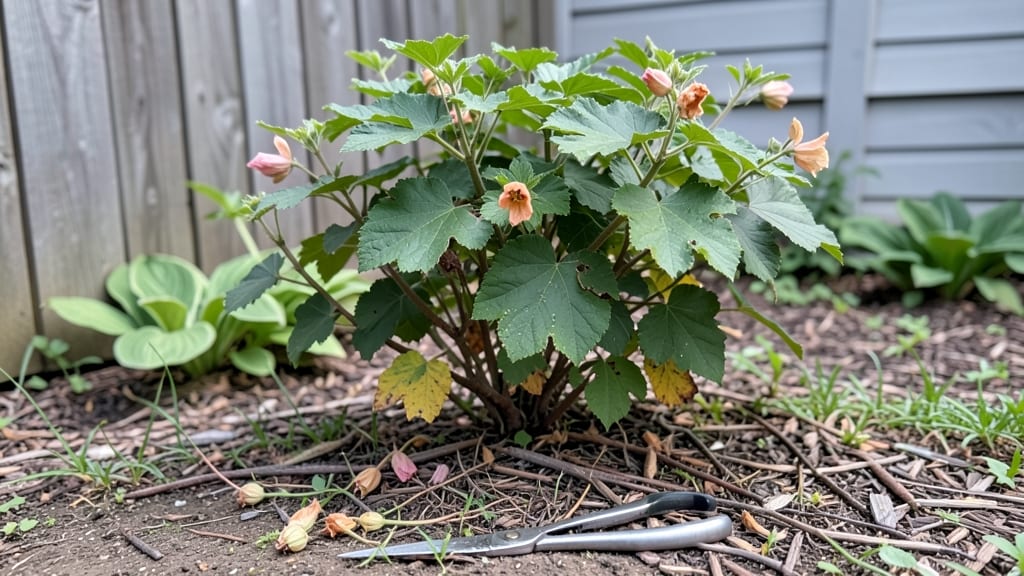
Pruning abutilon plants transforms them from sporadic bloomers into nonstop flowering powerhouses. 🌿 I’ve watched my own abutilons go from a few sad blooms to a summer-long cascade of bell-shaped flowers—just by making three smart cuts at the right times.
The key isn’t aggressive trimming but strategic shaping that keeps energy flowing to new growth.
You’ll need sharp bypass pruners, rubbing alcohol for sterilizing cuts, and a sunny spot to admire your work.
Timing matters most: prune lightly after flowering to shape the plant, then again in early spring to remove dead wood, and one final cut in late summer to encourage fresh blooms before winter. Each cut takes less than 10 minutes, but the payoff is months of vibrant color.
What you’ll end up with is a bushier plant that blooms continuously from spring through fall. The flowers stay bright and abundant, and the plant itself looks fuller and healthier. No more sparse branches or weak growth—just a thriving abutilon that becomes the star of your garden.
Works for both container plants and in-ground abutilons, and the same principles apply whether you’re dealing with a small tabletop variety or a large shrub. Let’s get those blooms going strong all season long.
📚 In This Guide
- What you need
- Instructions
- Tips and common mistakes
- Wrapping up and next steps
What you need
- ● Sharp pruning shears: Bypass pruners (for clean cuts) or anvil pruners (for thicker stems). Specs: 5–7-inch blades, stainless steel or high-carbon steel.
- ● Hand pruners: For smaller stems and detail work. Specs: Ergonomic grip, 4–5-inch blades.
- ● Disinfectant: 70% isopropyl alcohol or a pruning sealant (e.g., Tanglefoot Pruning Seal) to prevent disease spread. Quantity: Small bottle (4–8 oz).
- ● Gloves: Gardening gloves (nitrile-coated for grip) to protect hands from thorns and sap.
- ● Rubbing alcohol or hydrogen peroxide: (3%) to sterilize tools between cuts. Quantity: Small spray bottle or wipe.
- ● Loppers: For thicker stems (½-inch diameter or larger). Specs: 8–12-inch blades, ratcheting for extra leverage.
- ● Pruning saw: If your Abutilon has woody, overgrown branches. Specs: Fine-tooth blade (10–12 teeth per inch).
- ● Plant food: Balanced fertilizer (10-10-10 or 20-20-20) to encourage regrowth after pruning. Quantity: Small bag (5–10 lbs).
- ● Mulch: Organic mulch (e.g., shredded bark) to retain moisture and protect roots post-pruning.
- ● Notebook & pen: To jot down pruning notes (dates, cuts made, plant response) for future reference!
How to prune abutilon plants for continuous flowering
Three well-timed cuts keep your abutilon bushy and blooming all year—here's my foolproof method.
✂️ Step 1: First Spring Prune to Shape and Encourage Growth
After the last frost, cut back one-third of the plant's height using clean, sharp pruners. Focus on removing dead or crossing branches first—they compete with healthy growth. I like to shape the plant into a rounded form, which lets light reach the center where flowers often hide.
Look for new buds forming at leaf nodes. These will become your next blooms, so avoid cutting them off. Prune just above a leaf node at a 45-degree angle to encourage faster healing. This first cut stimulates fresh growth and prevents leggy stems from forming later in the season.
✂️ Step 2: Mid-Season Trim to Maintain Blooms and Airflow
When you notice more than 50% of flowers dropping or new growth slowing, it's time for your second prune. Remove any stems that have finished flowering—these won't rebloom without intervention. Cut back to the nearest healthy leaf node, which redirects the plant's energy to fresh, flowering branches.
This is also when I thin out crowded areas. Abutilons need good airflow to prevent fungal issues, so don't hesitate to remove up to 20% of the plant's total growth if branches are rubbing together. You'll see new shoots emerging within 2-3 weeks—that's your signal the plant is responding well.
✂️ Step 3: Late Season Light Prune for Winter Hardiness
As temperatures drop below 50°F in fall, give your abutilon a final light trim. Remove only the weakest stems and any that look diseased or yellowed. This prevents winter dieback while keeping the plant's energy focused on surviving cold snaps.
I avoid heavy pruning now because abutilons need their foliage to photosynthesize through winter. Instead, I shape gently, removing only what's necessary. If you live in a mild climate, you can even leave some flowers on the plant—they'll often last through winter with proper protection.
🌿 Bonus Step: Year-Round Maintenance for Non-Stop Blooms
Between these three main prunes, keep an eye out for spent flowers and remove them as they fade. This practice, called deadheading, encourages the plant to produce more blooms. I also pinch back any new growth that looks too leggy—just snip the tip of the stem to promote bushier growth.
Water deeply after each prune to help the plant recover. You'll know you're doing it right when you see fresh, vibrant new growth appearing within 10-14 days of each major pruning. With this routine, your abutilon will reward you with continuous blooms from spring through fall.
Tips & tricks for perfect abutilon pruning
These key strategies will help you transform your abutilon into a blooming powerhouse with minimal effort—and avoid the common mistakes that leave plants looking ragged.
Timing is Everything: The first spring prune should happen immediately after the last frost when new growth is about to begin. I've learned this the hard way—pruning too early can shock the plant, while waiting too long means missing the optimal growth window. Look for fresh, bright green leaves starting to emerge as your signal to prune that one-third of the plant's height.
Angle Matters: That 45-degree angle when pruning isn't just for looks—it creates a larger surface area for faster healing and prevents water from pooling on the cut. I always make my cuts just above a leaf node (where new buds form) to encourage bushier growth. If you're unsure where the node is, count three leaves down from the branch tip before making your cut.
Seasonal Pruning Strategy: The late season light prune below 50°F is crucial for winter survival. Focus only on removing the weakest stems and any diseased growth—this prevents winter dieback while maintaining the plant's energy reserves. In mild climates, I leave some flowers on the plant during winter as they often survive with proper protection, adding unexpected winter color.
Deadheading Discipline: Between your main prunes, make deadheading a habit—remove spent flowers immediately as they fade. This redirects the plant's energy to producing new blooms instead of seed development. I set a reminder on my phone for every two weeks during peak blooming season to check for spent flowers. The difference in continuous blooms is dramatic when you stay on top of this simple task.
Pro Tips for Pruning Abutilon Plants
- These key strategies will help you transform your abutilon into a blooming powerhouse with minimal effort—and avoid the common mistakes that leave plants looking ragged.
- Timing is Everything: The first spring prune should happen immediately after the last frost when new growth is about to begin.
- Angle Matters: That 45-degree angle when pruning isn't just for looks—it creates a larger surface area for faster healing and prevents water from pooling on the cut.
Frequently asked questions
Got questions about keeping your abutilon (aka "Chinese lantern" or "signpost flower") blooming beautifully? Here are answers to the most common pruning dilemmas—so you can prune with confidence!
When is the best time to prune abutilon plants?
Prune abutilon plants twice a year: once in early spring (just as new growth starts) to shape the plant and remove dead branches, and again in late summer (after blooming) to encourage a second flush of flowers. Light trims can happen year-round, but avoid heavy pruning in winter unless necessary.
How much can I cut back my abutilon?
You can trim up to 1/3 of the plant’s height during spring pruning to promote bushier growth. For summer pruning, cut back 10-15% of the current season’s growth to stimulate new blooms. Avoid drastic cuts—abutilons are forgiving but thrive with gradual shaping!
What if my abutilon isn’t blooming after pruning?
If your plant skips blooms, check these fixes:
- Light levels: Ensure it gets 6+ hours of bright, indirect sunlight daily.
- Pruning timing: Late summer pruning (after blooms) is key—don’t prune too early in the season.
- Fertilizer: Use a balanced, bloom-boosting fertilizer (like 10-10-10) every 4-6 weeks.
- Stress: Overwatering or underwatering can stunt blooms—keep soil evenly moist but well-draining.
Can I propagate my abutilon from pruned cuttings?
Pruned cuttings are perfect for propagation—just follow these steps:
- Use 4-6 inch cuttings with at least 2-3 leaves.
- Dip the end in rooting hormone (optional but helpful).
- Plant in moist potting mix and cover with a plastic bag to retain humidity.
- Keep in bright, indirect light and mist daily. Roots should form in 4-6 weeks!
Should I prune abutilon in winter?
Winter pruning is only for cleanup—remove dead, diseased, or crossing branches to maintain airflow. Avoid heavy pruning unless your plant is overgrown or leggy. If grown outdoors in cold climates, wait until spring to prune, as winter dormancy can stress the plant.
Wrapping up and next steps
Pruning your abutilon plants doesn’t have to be intimidating—just a few strategic cuts can transform your bush into a year-round blooming powerhouse! 🌸 Whether you’re shaping for aesthetics, encouraging new growth, or reviving a leggy plant, the key is timing, technique, and confidence.
With the right tools and a little patience, you’ll soon enjoy a lush, vibrant plant that rewards your efforts with nonstop color.
Ready to take the next step? Grab your pruners and give your abutilon the care it deserves! 🌿 Start small—even a single cut can make a difference—and watch your plant thrive.