
Pruning
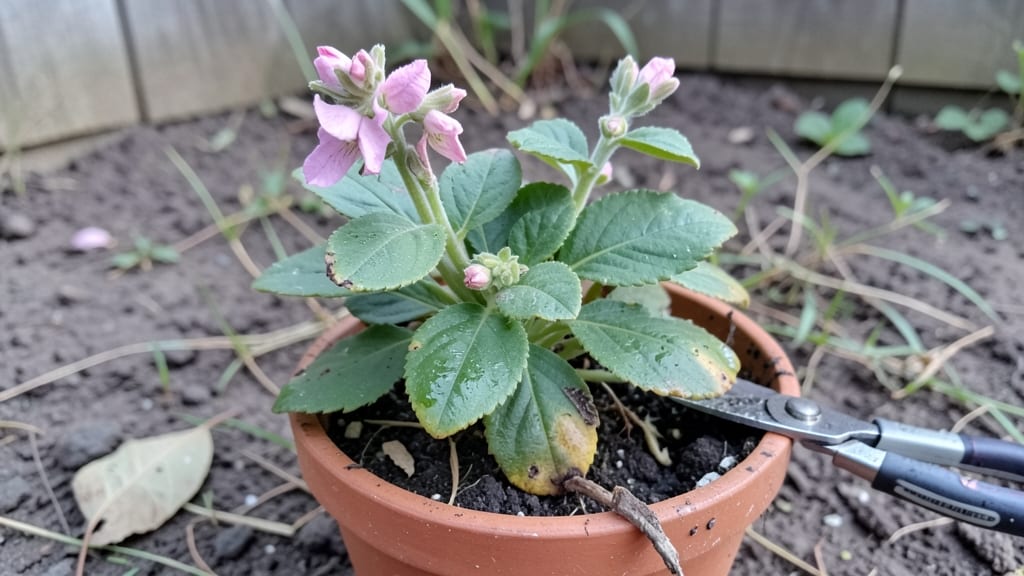
Pruning impatiens plants keeps them blooming like clockwork all season long. 🌿 I learned the hard way—skipping those quick trims means leggy stems and fewer flowers, but two simple cuts every few weeks transforms them into nonstop bloomers.
The first trim happens right after planting, and the second comes midseason when flowers start slowing down.
You only need basic tools: sharp scissors or pruners and about 10 minutes of your time. Snip just above a leaf node where new growth can sprout, and avoid cutting into old wood.
This isn’t brain surgery—just a little shaping to encourage bushier growth and more flowers. My impatiens now look fuller than ever, with blooms from spring until frost.
The payoff is immediate: fresh new growth appears within days, and flowers rebound faster than you’d expect. You’ll end up with plants that stay compact, produce more blooms, and look healthier than store-bought ones.
The secret is consistency—don’t wait until they’re overgrown to prune. A little maintenance now means a showstopper garden all season.
Works for both patio pots and garden beds, and the same rules apply whether you’re growing New Guinea impatiens or the classic busy Lizzie types. Let’s get those shears ready and keep those flowers coming!
📚 In This Guide
- What you need
- Instructions
- Tips and common mistakes
- Wrapping up and next steps
What you need
- ● Sharp pruning shears – Bypass-style (not anhedora) to avoid crushing stems. Size: 5–6 inches for precision.
- ● Garden gloves – Nitrile-coated for grip and protection (thorns or sap can be irritating!).
- ● Disinfectant (70% isopropyl alcohol or bleach solution) – 1 part bleach to 9 parts water to sterilize tools between cuts.
- ○ Pruning saw (optional) – For thick, woody stems (rare in impatiens but handy for overgrown plants).
- ● Compost or mulch – To amend soil after pruning (1–2 gallons per plant).
- ● Watering can or hose with nozzle – For post-pruning hydration.
- ● Plant food (balanced fertilizer, 10-10-10 or 20-20-20) – Diluted to half-strength to avoid burning roots.
- ● Plant markers or labels – If you’re pruning multiple varieties to track growth.
- ● Spray bottle with water – For dusty or dry foliage before pruning.
- ● Knee pads or stool – For comfort if your impatiens are ground-level or in containers.
Instructions for pruning impatiens plants
Here’s my go-to method for keeping impatiens lush and blooming all season—just two easy trims a year.
✂️ Step 1: First Trim for Bushier Growth
After your impatiens bloom their first flush of flowers, they’ll start looking leggy and sparse. That’s your cue to give them a light haircut. Using clean, sharp pruners, snip back the longest stems by about one-third—this encourages branching and a fuller shape. I always cut just above a leaf node (the bump where leaves grow) to promote new growth there.
You’ll see fresh buds forming along the remaining stems within 1-2 weeks. Avoid cutting into woody stems, as impatiens don’t regrow well from old wood. If you’re unsure where to cut, imagine the plant as a bush: trim the outermost stems to open up the center for airflow and light.
✂️ Step 2: Mid-Season Deadheading for Nonstop Blooms
Once flowers start fading, they’ll turn brown and look messy. That’s when you deadhead—snipping off the spent blooms right at the base of the flower stem. This might seem tedious, but it’s the secret to year-round blooms. I like to do this on a dry morning so the stems don’t stick together or attract pests.
For a quicker method, pinch off the entire flower cluster with your fingers instead of using pruners. You’ll notice new buds forming at the leaf nodes within 5-7 days. If you skip this step, the plant will redirect energy to seed production instead of making more flowers. Think of it as giving your impatiens a little nudge to keep producing.
🌿 Step 3: Light Trim to Prep for Winter (Optional)
If you’re growing impatiens in a warm climate where they’ll stay outdoors year-round, give them a light trim in late fall—just enough to tidy up any straggly stems. This keeps them looking neat and reduces disease risk over winter. In colder zones, you can cut them back by half before bringing them indoors or covering them for the season.
Here’s the thing—impatiens are forgiving, so don’t stress over perfection. A little trim goes a long way, and you’ll be rewarded with nonstop color all season. Just avoid heavy pruning in late summer, as new growth won’t have time to harden off before cooler weather arrives.
Tips & tricks for pruning impatiens plants
Here's what nobody tells you about keeping those vibrant impatiens blooming all season—these little tricks make all the difference.
The Timing Secret: The one-third trim in Step 1 works best when your plants have finished their first big bloom but haven't yet become completely leggy. I've learned this the hard way—wait too long, and you're left with sparse, woody stems that won't respond well to pruning. The goal is to give them that "second wind" before they get too tired from their first round of blooming.
Leaf Node Location: Finding those leaf nodes is easier than you think—just look for the little bumps where leaves grow along the stem. Cutting just above these nodes (about 1/4 inch) is what triggers new growth. If you're unsure, count leaves from the base: the node right above the 3rd or 4th leaf from the top is usually your best bet. This simple technique is what transforms your impatiens from sparse to bushy!
Deadheading Strategy: For the fastest results in Step 2, I recommend doing deadheading on a dry morning after the dew has evaporated. Wet stems can stick together and attract fungal issues. Also, try to deadhead consistently—even just a few minutes every other day can make a huge difference in your bloom count. Think of it like giving your plants a daily spa treatment that keeps them looking fresh and vibrant.
Tool Tip: Your pruners don't need to be fancy, but they should be clean and sharp. I keep a small bottle of rubbing alcohol handy to wipe down my pruners between plants—this prevents spreading any potential diseases. For the quick pinch method, just use your thumb and forefinger to gently squeeze off the spent blooms. The key is to make clean cuts (or pinches) right at the base to avoid leaving stubs that can rot.
Pro Tips for Pruning Impatiens Plants
- Here's what nobody tells you about keeping those vibrant impatiens blooming all season—these little tricks make all the difference.
- The Timing Secret: The one-third trim in Step 1 works best when your plants have finished their first big bloom but haven't yet become completely leggy.
- Leaf Node Location: Finding those leaf nodes is easier than you think—just look for the little bumps where leaves grow along the stem.
Frequently asked questions
Got questions about keeping your impatiens blooming beautifully? Here are some of the most common concerns—plus quick, expert answers to help you prune like a pro!
When is the best time to prune impatiens?
Prune impatiens twice a year: the first trim in early spring (after the last frost) to encourage new growth, and the second in mid-summer (around July) to promote a second flush of blooms. Light pinching of spent flowers can also be done year-round to keep plants tidy and flowering.
How much should I cut back impatiens?
For spring pruning, trim back 1/3 of the plant’s height to remove leggy or woody stems. In summer, cut back just the top 2-3 inches of each stem to encourage bushier growth. Avoid over-pruning—impatiens are delicate and may struggle to recover if cut too aggressively!
Can I prune impatiens in winter?
No, avoid pruning in winter—especially in cold climates. Impatiens are tender perennials and won’t survive freezing temps. If your plant is dormant (no leaves or growth), wait until spring warmth (50°F+) to prune. Deadheading (removing spent blooms) is the only safe task in cooler months!
What if my impatiens look sad after pruning?
Don’t panic! A little post-prune shock is normal. Give your plant bright, indirect light and consistent water (keep soil moist but not soggy). Fertilize lightly with a balanced, water-soluble fertilizer (like 10-10-10) 1-2 weeks after pruning to support regrowth. New leaves should appear in 2-4 weeks.
Are there alternatives to pruning for bushier impatiens?
Yes! If pruning feels overwhelming, try these low-maintenance tricks:
- Pinch back tips: Snip just the top set of leaves on young plants to encourage branching.
- Rotate pots: Turn containers weekly so all sides get light, promoting even growth.
- Use a slow-release fertilizer: Granular options (like osmocote) feed roots steadily, reducing legginess.
Wrapping up and next steps
Pruning your impatiens isn’t just about keeping them tidy—it’s the secret to vibrant, long-lasting blooms that’ll steal the show all season! With just two simple trims—deadheading spent flowers and a mid-season shape-up—you’ll encourage fuller growth and nonstop color. 🌸
Now that you’re armed with the know-how, grab those shears and give your impatiens the TLC they deserve. Watch them thrive, and don’t forget to share your blooming success with fellow gardeners—you’ve got this! 🌿✨
Next step: Mark your calendar for your next pruning session and enjoy the rewards of your green thumb!