
Pruning
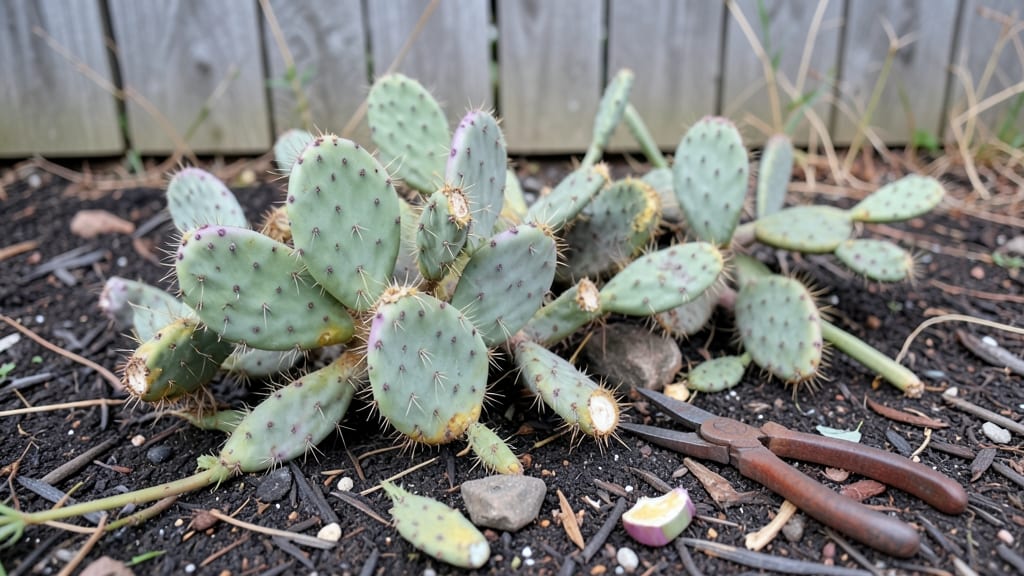
Pruning cactus plants isn't just about shaping—it's about reviving growth and preventing rot. ✨ I've learned that the right cut at the wrong time can turn a healthy cactus into a mushy mess, but with the proper timing and technique, you'll encourage stronger, bushier plants that thrive all year.
The key is understanding when to prune, what tools to use, and how to heal those cuts properly.
You'll need sharp, clean tools—sterilized pruning shears or a razor blade work best—and a bottle of diluted rubbing alcohol to disinfect between cuts. Avoid using your hands unless you're working with small pads, as spines can cause painful punctures.
The best time to prune is just after your cactus finishes blooming, usually in late spring or early summer, when the plant is actively growing and can recover quickly.
Once you make your cuts, let the segments dry out for 3-5 days before planting or propagating them. This prevents rot, which is the number one killer of cactus after pruning.
After healing, you'll see new growth emerging within 2-4 weeks, and your plant will look fuller than ever. The right cuts can even encourage more blooms next season.
This method works for nearly all cactus varieties, from desert species like the prickly pear to jungle cacti like the Christmas cactus. Whether you're pruning for propagation, shaping, or health, the same principles apply. Let's get those shears ready and transform your cactus into a lush, thriving centerpiece.
📚 In This Guide
- What you need
- Instructions
- Tips and common mistakes
- Wrapping up and next steps
What you need
- ● Pruning shears or cactus scissors: Sharp, clean, and designed for succulents/cacti (e.g., bypass pruners or small bypass shears). Avoid regular scissors—they can crush delicate stems!
- ● Rubbing alcohol (70% or higher): For sterilizing tools before and after pruning to prevent disease.
- ○ Gloves (optional but recommended): Thick gardening gloves (e.g., leather or cactus-specific) to protect your hands from spines.
- ● Newspaper or cardboard: To lay down under your workspace—cactus spines are sneaky!
- ● Small container or tray: A shallow dish to collect clippings for propagation.
- ● Cactus/succulent soil: Well-draining mix (e.g., 50% potting soil + 50% perlite/sand) for repotting cuttings.
- ○ Rooting hormone (optional): Speeds up root growth for cuttings (e.g., powder or gel formula).
- ● Magnifying glass: Helps spot tiny spines or details on small cacti.
- ● Hairspray or diluted milk: Spray on cut surfaces to seal and reduce moisture loss (let dry before repotting).
- ● Labeling tags: If propagating multiple cuttings, label them by date or type.
- ● Disinfectant spray (e.g., hydrogen peroxide): For cleaning tools between plants.
Instructions for pruning cactus plants like a pro
Here’s how to trim your cacti safely and strategically—no gloves required.
✂️ Step 1: Gather the Right Tools and Timing
Prune cacti only when they’re actively growing, typically in spring or early summer. Avoid winter months—they’re dormant, and cuts won’t heal properly. I use sterilized, sharp pruning shears (or a clean knife) to make precise cuts. Never use your hands—those spines pack a punch.
Wear long sleeves and safety goggles to protect against spines and sap. Work in a well-ventilated area, as some cactus sap can irritate skin. If you’re nervous, lay down newspaper or a towel to catch any spines that might fall.
✂️ Step 2: Identify and Remove Dead or Damaged Sections
Look for dry, shriveled, or discolored segments—these are dead and won’t regrow. Use your tools to cut just above the healthy tissue, making the cut clean and angled to allow water to run off. Avoid cutting into green, plump sections unless they’re diseased.
If a cactus has shriveled or sunburned patches, trim those first. Healthy tissue is firm and green, while dead areas feel soft or hollow. Never cut more than one-third of the plant at once—this stresses the cactus and can stunt growth.
✂️ Step 3: Propagate Healthy Cuttings for New Plants
After removing dead sections, check for healthy pads or offsets—these can root into new plants. Let cuttings dry in a shady, dry spot for 1-3 days to seal the wound. This prevents rot when you plant them later.
Once calloused, place cuttings on dry, well-draining soil (like a mix of cactus soil and perlite). Water lightly only after 2-4 weeks, when roots start to form. Keep them in bright, indirect light until they establish—direct sun can scorch new growth.
✂️ Step 4: Shape and Encourage Bushier Growth
For columnar cacti, trim the top to encourage branching. Cut just above a node (the bump where new growth emerges). This sends energy to side buds, creating a fuller plant. For globular cacti, remove only the very tips if needed—over-pruning can leave them looking bare.
After shaping, water lightly to help the cactus recover. Avoid fertilizing for 4-6 weeks—let the cuts heal first. If you notice yellowing or oozing sap after pruning, reduce watering until the area dries out completely.
⏰ Step 5: Monitor and Maintain Post-Pruning
Keep pruned cacti in bright, indirect light for 1-2 weeks while they recover. Gradually reintroduce direct sun over the next week. Watch for new growth—this signals the cactus is healing well.
If you see soft, mushy spots after pruning, it’s a sign of rot. Remove the affected area immediately and let it dry again. With proper care, your cactus will bounce back stronger, with fuller growth and fewer dead spots.
Tips & tricks for pruning cactus plants like a pro
Strategic pruning transforms your cacti from scraggly survivors to thriving showstoppers—here's how to do it right the first time.
Timing is Everything: Spring and early summer are your golden windows because that's when cacti are actively growing. I've learned this the hard way—pruning in winter when they're dormant can shock the plant and leave it vulnerable to rot. If you miss this window, wait until the next growth cycle begins. The key is to catch them when they're putting energy into new growth, not conserving it.
The Right Cut Makes All the Difference: When you're making those clean, angled cuts in Step 2, think of it like surgery—precision matters. I use a marker to outline where I'll cut before making the actual incision. This helps me visualize the final shape and ensures I'm cutting just above healthy tissue. For larger cacti, I make a shallow cut first to test the angle before committing to the full cut. This prevents accidentally cutting too deep into living tissue.
Propagation Secrets: That 1-3 day drying period in Step 3 is non-negotiable for successful propagation. I place my cuttings on a wire rack in a dry, shaded spot to allow proper callusing. The goal is to create a protective barrier that prevents rot when you eventually plant them. Pro tip: If you're impatient, you can speed up the callusing process by placing cuttings in a dry, well-ventilated area with bright, indirect light. Just don't rush it—pushing the process can lead to rot.
Post-Pruning Care: After shaping your cactus in Step 4, resist the urge to give it a big drink of water. The cuts need time to heal, and excess moisture can lead to rot. I've seen many well-intentioned gardeners overwater after pruning, thinking they're helping the plant recover. Instead, let nature take its course. The 4-6 week no-fertilizer rule is also crucial—your cactus is already stressed from the pruning, and fertilizer can burn those fresh cuts.
Pro Tips for Pruning Cactus Plants
- Strategic pruning transforms your cacti from scraggly survivors to thriving showstoppers—here's how to do it right the first time.
- Timing is Everything: Spring and early summer are your golden windows because that's when cacti are actively growing.
- The Right Cut Makes All the Difference: When you're making those clean, angled cuts in Step 2, think of it like surgery—precision matters.
Frequently asked questions
about pruning cactus plants—here’s what you need to know!When is the best time to prune cactus plants?
Prune your cactus in early spring (just as growth resumes) or late summer (before fall dormancy). Avoid winter pruning—cacti heal slower in cold weather. If you must prune in summer, do it on a cool, overcast day to reduce stress.
Can I prune a cactus that’s still blooming?
Yes, but wait until after flowering is complete. Cutting blooms or pads too early can disrupt the plant’s energy reserves. If you must prune during bloom season, remove only dead or damaged sections—never healthy growth supporting flowers.
What should I do if my cactus starts rotting after pruning?
Rotting is often caused by overwatering or improper cuts. If you see soft, mushy spots:
- Stop watering immediately.
- Trim away rotted tissue with sterilized tools.
- Let the cuts dry for 3–5 days before re-potting in well-draining soil.
Can I propagate a cactus from my pruned cuttings?
Let cuttings dry for 3–7 days to form a callous, then place them in cactus soil. Avoid watering for 1–2 weeks—rooting happens slowly. Use a shallow tray to catch moisture and prevent rot.
Do I need to adjust care after pruning?
Yes! Pruned cacti need less water initially (wait 2–4 weeks before resuming normal care). Monitor for sunburn if you’ve removed protective pads—gradually reintroduce sunlight. Fertilizer can wait until new growth appears (6–8 weeks post-prune).
Wrapping up and next steps
Pruning your cactus plants isn’t just about keeping them tidy—it’s a game-changer for their long-term health and vibrancy! 🌵 By mastering the right techniques and timing, you’ll encourage stronger growth, prevent pests, and even propagate new plants. Remember, patience and precision are key, so don’t rush the process.
Now that you’re armed with the know-how, roll up your sleeves and give your cactus the care it deserves. Start with one plant at a time, and soon, your collection will thrive like never before. Happy pruning!