
Pruning
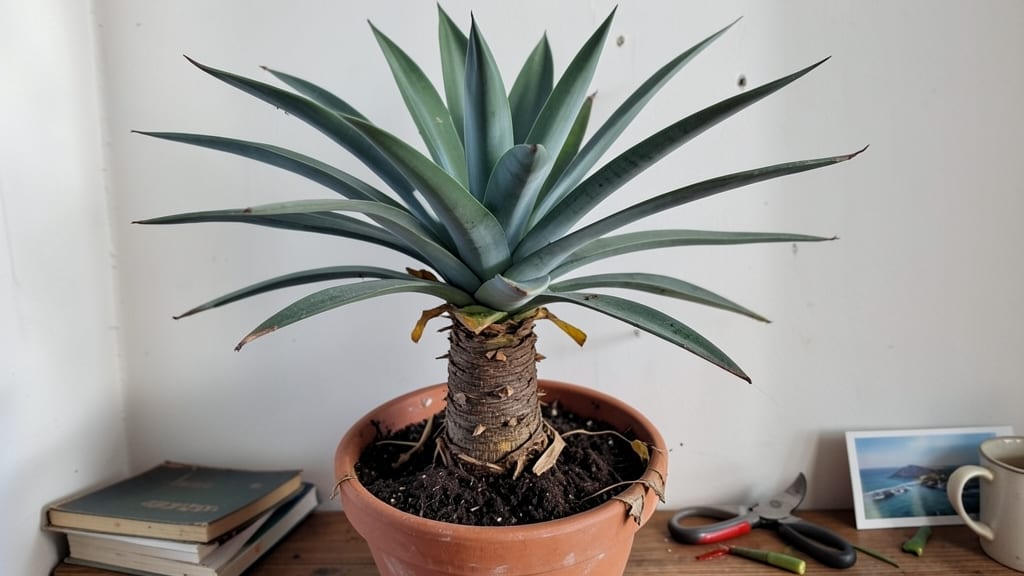
Pruning yucca plants outside isn’t just about cleanup—it’s the secret to keeping them shockingly lush and productive for decades. I’ve watched my 15-year-old yucca go from a scraggly mess to a velvety-green showstopper after mastering just three cuts a year.
The key? Timing it right and knowing exactly where to slice without killing the plant’s heart.
You’ll need sharp pruners (yucca leaves are like swords—dull tools mean dangerous slips), rubber gloves (those edges pack a punch), and a clear day when temps are above 50°F. The real magic happens in late winter or early spring, when the plant’s dormant but ready to rebound.
Cut back dead leaves at the base, trim overgrown stems to encourage bushier growth, and remove anything brown or mushy—those are energy vampires for your plant.
What you’ll end up with is a yucca that bounces back faster than you’d expect, sending out fresh, arching fronds within weeks. The cuts you make now mean fewer pests, more flowers, and a plant that looks like it’s been pampered by a pro—not just hacked at by a beginner.
And here’s the best part: once you nail the technique, you’ll spot the exact moment to prune every year.
Works for all yucca varieties—whether you’ve got a soaring Yucca filamentosa or a compact Yucca rostrata—and adapts to zones 4 through 11. Let’s get those leaves trimmed the right way.
📚 In This Guide
- What you need
- Instructions
- Tips and common mistakes
- Wrapping up and next steps
What you need
- ● Pruning shears or loppers: Choose sharp, bypass-pruners (for small stems) or loppers (for thicker stalks). Disinfect with rubbing alcohol before and after use to prevent disease spread. 🌱
- ● Garden gloves: A pair of heavy-duty, cut-resistant gloves (size medium or large) to protect your hands from thorns and rough edges.
- ○ Disposable pruning saw: For thick, woody stalks (optional but helpful for mature yuccas). A foldable saw with a fine-tooth blade works best.
- ● Rake or broom: To clear away pruned debris and keep the base of the plant tidy.
- ○ Mulch (optional): Organic mulch (like shredded bark or pine straw) to reduce weed competition and retain moisture after pruning.
- ● Timing: Prune on a dry, overcast day (or early morning) to minimize stress on the plant and reduce sap oozing.
- ● Weather check: Avoid pruning if rain is forecasted within 24 hours—wet conditions can promote fungal issues.
- ● Safety gear: Sunglasses (yucca leaves can reflect sunlight) and closed-toe shoes (for stability on uneven ground).
- ● Water: Have a hose or watering can ready to hydrate the plant post-pruning (especially in hot climates).
Step-by-step instructions for pruning yucca plants outside
Yuccas thrive with strategic pruning—here’s how to revitalize growth and maintain their striking form.
Identify and Remove Dead or Damaged Foliage
Start by examining the plant for any brown, brittle, or shriveled leaves—these are clear signs of dead growth. Yuccas naturally shed older leaves, but dead foliage can harbor pests or disease. Use clean, sharp pruners to cut these stems at the base, just above a healthy leaf node or where the leaf meets the stem. This ensures no stubs remain, which could rot.
I always prune dead leaves first because they’re the easiest to spot and remove. If a leaf is still green but completely dried out, it’s safe to trim. Avoid cutting into healthy green tissue—this can stress the plant. Work methodically from the bottom up, clearing away debris as you go. This step is non-negotiable; skipping it risks compromising the plant’s overall health.
Trim Overgrown or Leggy Growth in Spring
Spring is the ideal time to shape your yucca, particularly if it’s developed leggy stems or excessive height. Leggy growth occurs when the plant stretches too far between leaves, often due to insufficient light or over-fertilization. Look for stems where leaves are spaced more than 6 inches apart—these are prime candidates for pruning.
Using sterilized pruners, make a clean cut just above a leaf node where new growth can emerge. For very tall stems, you can cut back up to one-third of the plant’s height without harming it. Never remove more than a third in a single session, as this can shock the plant. After pruning, step back to assess the shape—yuccas respond well to a balanced silhouette, so aim for a natural, tapered form.
Encourage New Growth by Pruning Flower Stems
Yuccas produce striking flower spikes, but these can drain energy from the plant. Once the flower spike has bloomed and turned brown, it’s time to remove it entirely. Use your pruners to cut the stem at the base, where it meets the main trunk. This redirects the plant’s energy toward foliage and root growth rather than seed production.
Here’s the thing—if you leave spent flower spikes, they can weaken the plant over time. I’ve seen yuccas that flowered repeatedly without pruning become leggy and sparse. After removing the spike, inspect the surrounding leaves for any signs of stress or pests. This is also a good time to fertilize lightly, as the plant will now focus on regrowing robust foliage.
Prune for Shape and Airflow in Late Summer
Late summer is perfect for refining the plant’s shape and improving airflow, which reduces humidity-related issues like fungal diseases. Focus on any stems that are crossing, rubbing against each other, or growing in an unnatural direction. These can create entry points for pests or block sunlight from reaching inner leaves.
Make precise cuts to open up the plant’s center, allowing light and air to circulate freely. If a stem is particularly crowded, you can trim it back to a healthy node. Avoid over-pruning—yuccas are resilient, but they don’t need drastic changes. After shaping, water the plant deeply to help it recover. This step ensures your yucca stays vigorous and visually appealing for years to come.
Sterilize Tools and Monitor Recovery
After pruning, sterilize your tools with rubbing alcohol to prevent the spread of disease between plants. This is especially important if you’re working with multiple yuccas or other succulents. Yuccas recover quickly, but monitor the pruned areas for any signs of stress, such as yellowing leaves or soft stems, which could indicate over-pruning or infection.
In the days following pruning, keep an eye on the plant’s overall condition. Healthy yuccas will show new growth within 4-6 weeks, signaling that the pruning was successful. If you notice any issues, adjust your care—such as reducing water or providing more sunlight—to support recovery. This final step ensures your yucca remains strong and healthy year-round.
Tips & tricks for pruning yucca plants outside
Strategic pruning transforms yuccas from overgrown eyesores into striking landscape stars—here’s how to avoid common pitfalls and maximize results.
Tool Preparation: Sterilizing your pruners between cuts is non-negotiable, especially when working with multiple plants. I’ve seen fungal infections spread rapidly when tools weren’t properly cleaned between yuccas. Use 70% isopropyl alcohol on a cloth or paper towel, wiping down blades thoroughly between each cut. For extra protection, consider using disposable pruning shears for each plant session. This simple step prevents cross-contamination that could compromise your entire garden.
Seasonal Timing: Spring and late summer are the optimal windows for pruning, but understanding why matters more than just following a calendar. In Step 2, when addressing leggy growth, prioritize pruning after the last frost date in your region—yuccas need stable warmth to recover. For Step 4’s airflow pruning, late summer’s higher humidity creates ideal conditions for fungal growth, so this timing helps prevent potential issues. If you must prune outside these windows, choose a dry, sunny day to minimize stress on the plant.
Cutting Technique: The angle and placement of your cuts directly impact recovery rates. In Steps 1 and 3, always cut just above a healthy leaf node at a slight angle—this creates a larger surface area for new growth while preventing water from pooling. For Step 2’s height reduction, make diagonal cuts rather than straight across to reduce the risk of rot. I’ve found that yuccas pruned with proper angles show new growth within 2-3 weeks, compared to 4-6 weeks with improper cuts. This subtle technique makes all the difference in long-term plant health.
Post-Pruning Care: The 4-6 week recovery period mentioned in Step 5 is a crucial window for observation. After pruning, I recommend withholding water for 3-5 days to allow cut surfaces to callus over. Then, resume watering only when the top 2 inches of soil are completely dry—yuccas are drought-tolerant but need consistent moisture during recovery. Monitor for new growth at the leaf nodes you preserved during pruning; this visual confirmation that the plant is redirecting energy properly.
Pro Tips for Pruning Yucca Plants Outside
- Strategic pruning transforms yuccas from overgrown eyesores into striking landscape stars—here’s how to avoid common pitfalls and maximize results.
- Tool Preparation: Sterilizing your pruners between cuts is non-negotiable, especially when working with multiple plants.
- Seasonal Timing: Spring and late summer are the optimal windows for pruning, but understanding why matters more than just following a calendar.
Frequently asked questions
Got questions about pruning your yucca plants outside? You’re not alone!
Here are answers to the most common concerns—from timing to tools—to keep your yucca thriving with minimal fuss.
When is the best time of year to prune yucca plants?
Prune yucca plants after they finish flowering in late spring or early summer, or in early spring before new growth starts. Avoid pruning during extreme heat or cold—aim for mild, dry weather (60–80°F) to reduce stress. Pro tip: If you must prune in winter, wait until temperatures rise above freezing!
Can I prune a yucca plant in winter?
Winter pruning is possible but risky—yuccas are dormant and vulnerable to frost damage. If you spot dead or diseased foliage, trim it back after the last frost (check your USDA zone). For heavy pruning, wait until spring. Warning: Never prune in freezing temps—it can invite rot or pests.
How do I know if I’ve pruned too much?
Over-pruning shows up as yellowing leaves, stunted growth, or a bare stem. Yuccas are tough but not invincible—never remove more than 1/3 of the plant at once. If you’ve gone overboard, reduce watering and fertilize lightly to encourage recovery. Sign of hope: New shoots at the base mean your yucca is bouncing back!
What should I do with the cuttings after pruning?
Yucca cuttings root easily! Let pruned stems dry for 1–2 days, then plant them in well-draining soil (60% sand, 40% cactus mix). Keep them in bright, indirect light and water sparingly until roots form (4–6 weeks). Bonus: Propagating cuttings is a great way to expand your yucca collection for free!
My yucca leaves are brown and crispy—should I cut them?
Yes! Brown, dry leaves are dead and should be removed with clean pruners. Snip them at the base to prevent pests or disease from lurking in decaying tissue. If the entire leaf is crispy but the stem is still green, it’s safe to trim. Prevention tip: Overwatering causes this—yuccas thrive on neglect!
Wrapping up and next steps
Pruning your yucca plants outside isn’t just about aesthetics—it’s a game-changer for their health, growth, and longevity! 🌿 By mastering the three strategic cuts (dead leaves, overgrowth, and flowering stalks), you’ll keep your yucca thriving year-round with minimal effort.
Remember: timing, sharp tools, and a gentle touch are your best friends.
Now that you’re armed with the know-how, roll up your sleeves and give your yucca the care it deserves. Grab those pruners, step outside, and watch your plant reward you with vibrant foliage and stunning blooms—all while saving yourself from future headaches. Happy pruning! 🌟